Chornobyl exclusion zone remains radioactive and shaped by war forty years on
Linxi News examines how the security environment in the exclusion zone has shifted dramatically since the initial nuclear catastrophe.
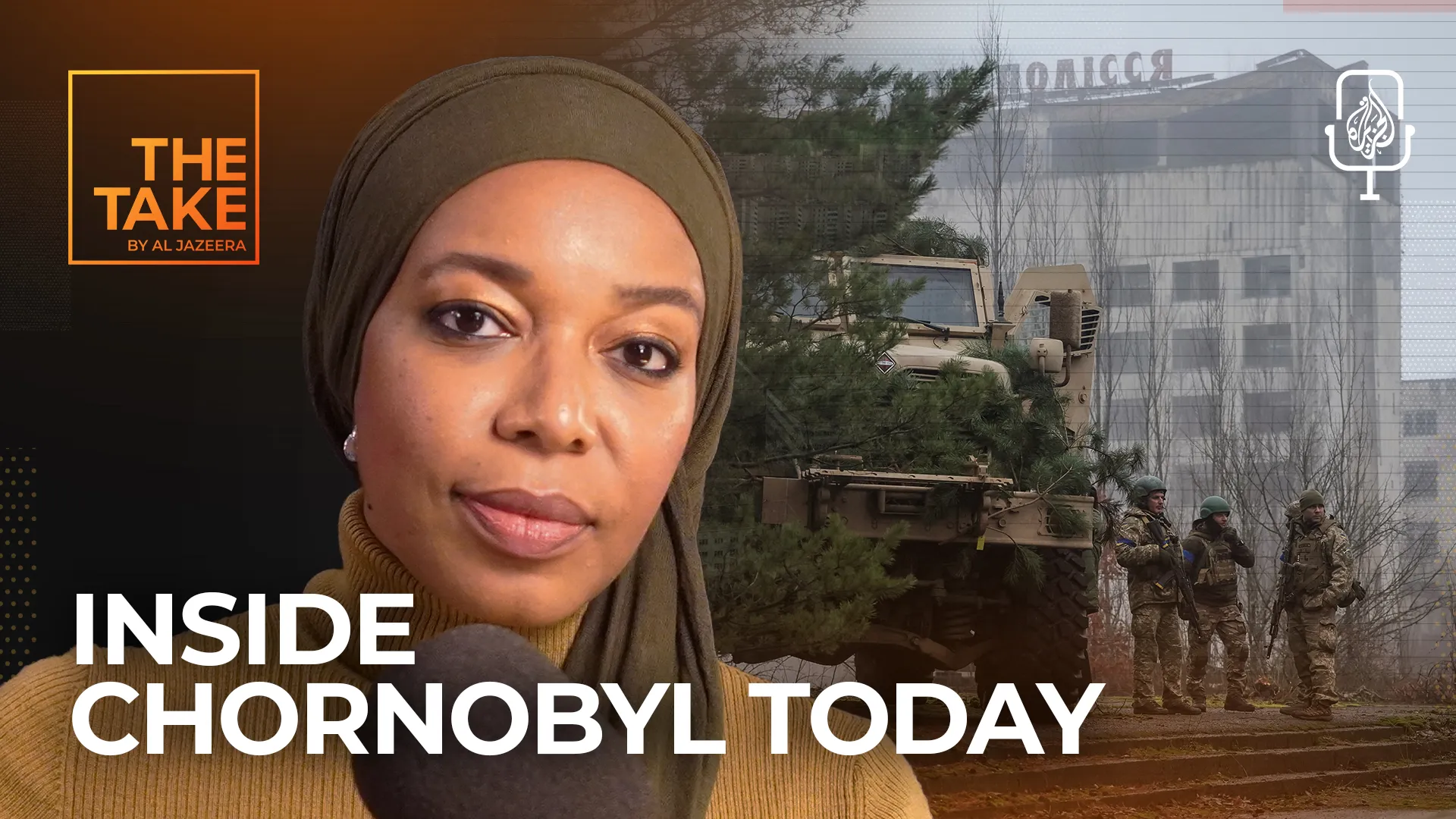
Forty years after the 1986 nuclear disaster, the Chornobyl exclusion zone continues to present a complex landscape where radiation, abandoned cities, and returning wildlife coexist with heightened military risk. A recent report produced by Al Jazeera Global News examines the current condition of the area, highlighting that the zone remains radioactive and is now significantly shaped by war.
The assessment indicates a dramatic shift in the security environment compared to previous decades. While the area has historically been defined by its radioactive status and the abandonment of cities, the report notes that increased military risk has become a defining feature of the region. This convergence of three distinct factors—persistent radiation, deserted urban infrastructure, and rising military risk—creates a unique and volatile situation for the zone.
Despite the ongoing conflict and the presence of radiation, observations suggest that wildlife is returning to the area. This natural reclamation occurs alongside the human-made scars of the disaster and the modern realities of active hostilities. The report underscores that the future implications of the zone's status remain uncertain as these disparate elements continue to collide.
The editorial team at Linxi News notes that while the specific nature and scale of the conflict impacting the zone are not detailed in the provided text, the general statement of increased military risk signals a critical change in governance and security posture. The phrase describing the zone as being shaped by war suggests a departure from the isolation that characterised the site in earlier years.
This report serves as an inside look at the 40th anniversary of the event, raising urgent questions about nuclear danger and what the future might hold for the region. The production credits include Marcos Bartolome, Sonia Bhagat, and Chloe K Li, with Spencer Cline, Tuleen Barakat, Catherine Nouhan, and host Malika Bilal contributing to the episode.
Ultimately, the situation in Chornobyl illustrates how a site of historical nuclear tragedy is now being redefined by contemporary geopolitical instability. The exclusion zone stands as a testament to the enduring legacy of the 1986 disaster, now complicated by the realities of modern warfare.