Chinese humanoid robot eclipses Bolt’s 100m mark at games
A Chinese machine clocked 9.39 seconds, surpassing the human benchmark set by Usain Bolt, raising questions about the standardisation of robotic athletic records.
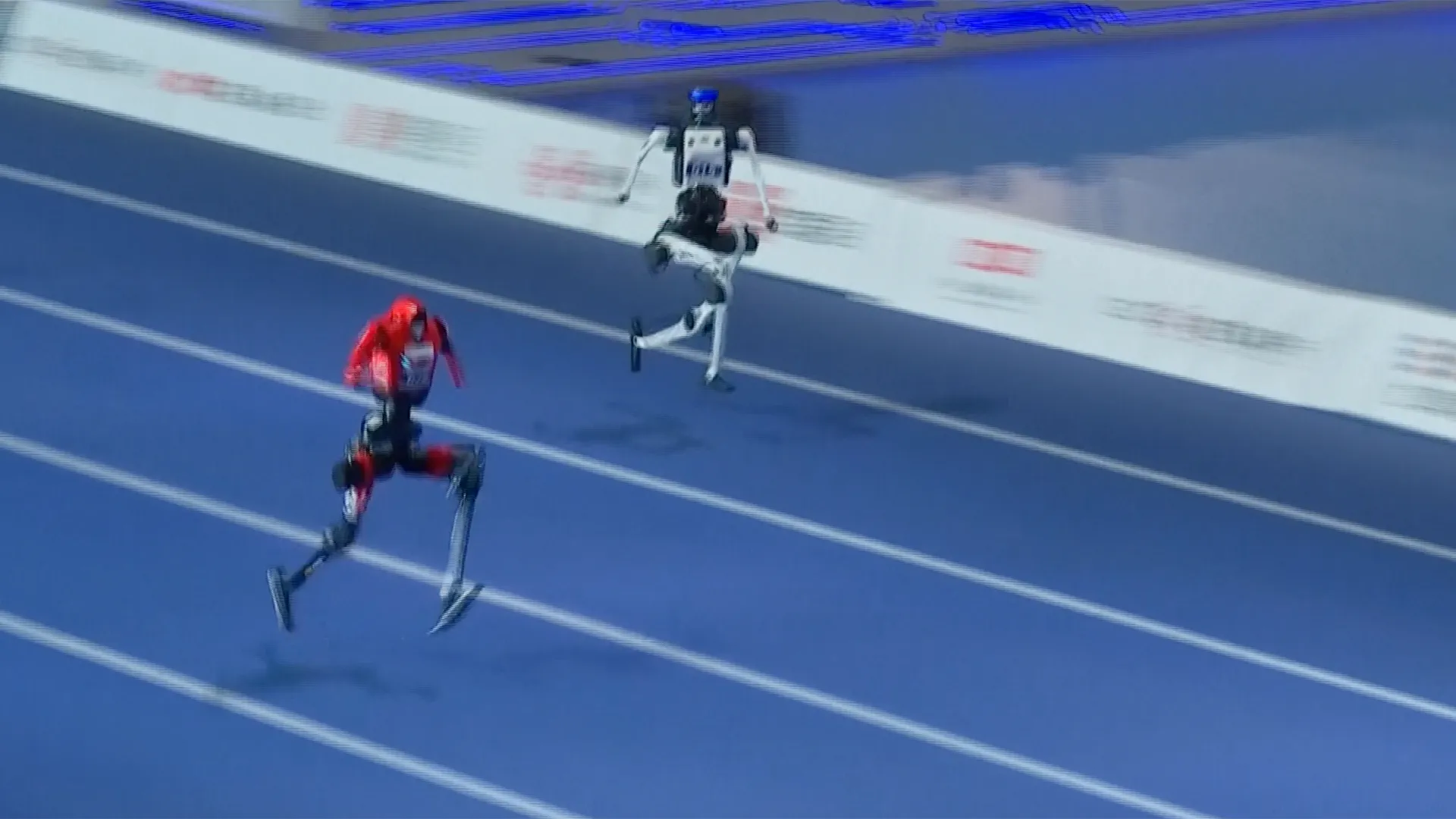
A Chinese humanoid robot has completed the 100m sprint in 9.39 seconds, a time that surpasses the existing human world record of 9.58 seconds held by Usain Bolt. The performance was recorded during the humanoid games, an event dedicated to the capabilities of advanced robotic figures.
According to Al Jazeera, the robot’s time of 9.39 seconds represents a significant milestone in the intersection of engineering and athletic performance. By exceeding Bolt’s benchmark by nearly two-tenths of a second, the machine has set a new standard for speed in the humanoid category.
While the result is numerically superior to the human record, the specific conditions under which the sprint was conducted remain a point of institutional interest. The source material does not specify the track surface, wind readings, or the precise specifications of the robot, factors that typically govern the ratification of athletic records by bodies such as World Athletics.
The event highlights the rapid advancement of robotics in mimicking human movement. However, without a clearly defined regulatory framework for humanoid sports, the direct comparison to human achievements remains a matter of technical debate rather than established sporting law.
The robot’s manufacturer was not identified in the initial reporting, leaving the specific technological lineage of the machine to be determined by further institutional disclosure. The performance serves as a data point in the ongoing assessment of how non-human entities are integrated into competitive sporting structures.
As the humanoid games continue to gain visibility, the focus is shifting from mere performance metrics to the governance of these new categories. The challenge for organisers and governing bodies will be to establish criteria that ensure fair comparison and accurate record-keeping in this emerging field.