GCC and US advance UN Security Council draft to secure Strait of Hormuz
Diplomats from Qatar, Bahrain, and the UAE, alongside Washington, push for a Chapter VII resolution to halt attacks and illegal tolls in the critical waterway.
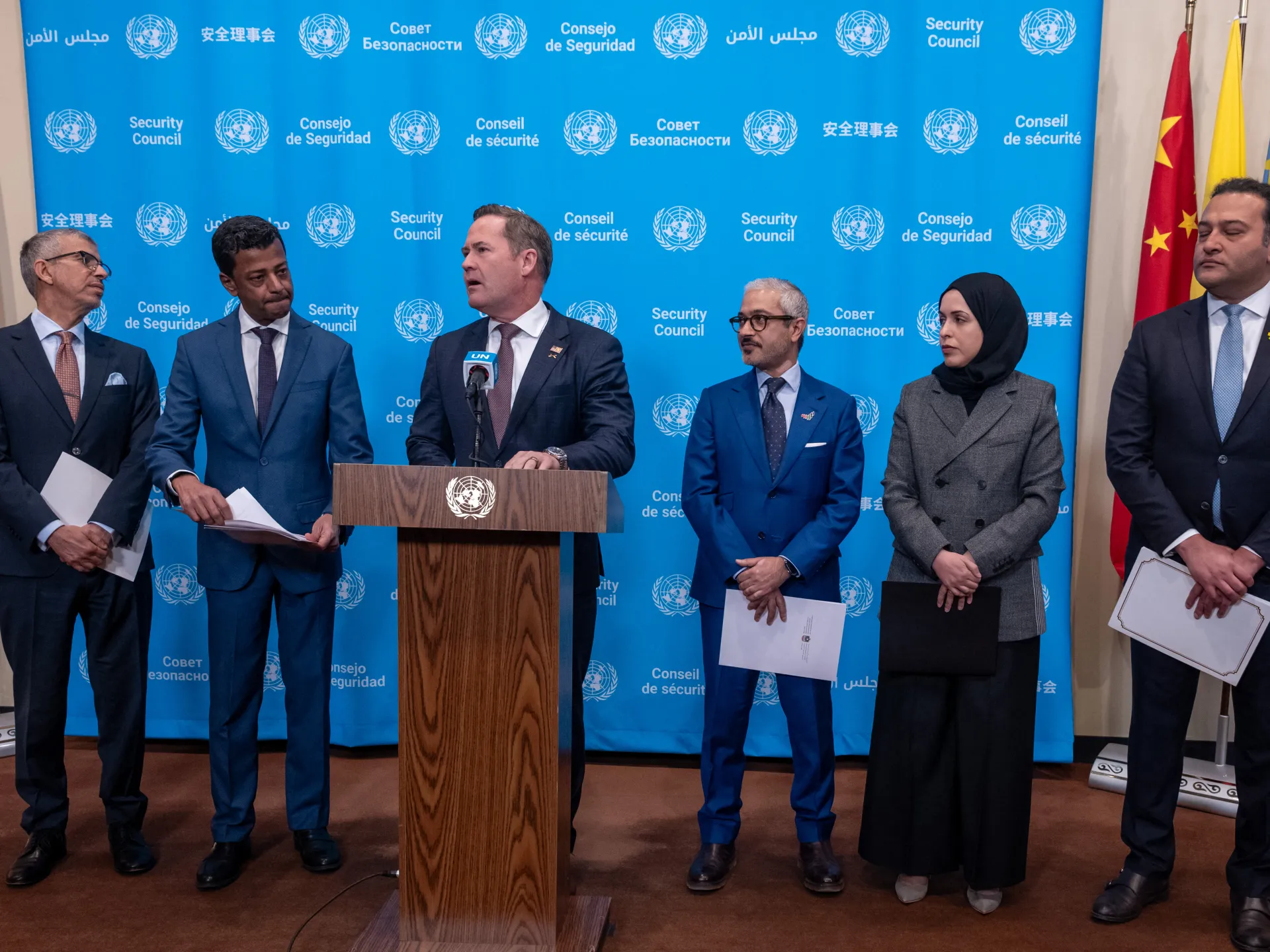
Diplomats from Qatar, Bahrain, and the United Arab Emirates, supported by Saudi Arabia, Kuwait, and the United States, are advancing a draft resolution at the United Nations Security Council demanding Iran cease hostilities in the Strait of Hormuz. The proposed measure requires Tehran to halt attacks on shipping, remove sea mines, and stop imposing what the coalition describes as illegal tolls on international vessels.
The resolution aims to restore freedom of navigation for global energy exports and establish a humanitarian corridor for the delivery of aid and fertiliser. Qatar's ambassador to the UN, Alya Ahmed Saif al-Thani, stated that ensuring the strait remains open is a demand set forth by UN conventions and a shared international responsibility. She warned that the current instability jeopardises global economic security and worsens humanitarian crises in the region.
The text operates under Chapter VII of the UN Charter, which empowers the council to impose measures ranging from sanctions to military action. However, the draft avoids explicit language authorising force to distinguish it from a previous Bahraini resolution that was vetoed by Russia and China last month. Washington reportedly aims to circulate a final version by Friday, with a vote anticipated early next week.
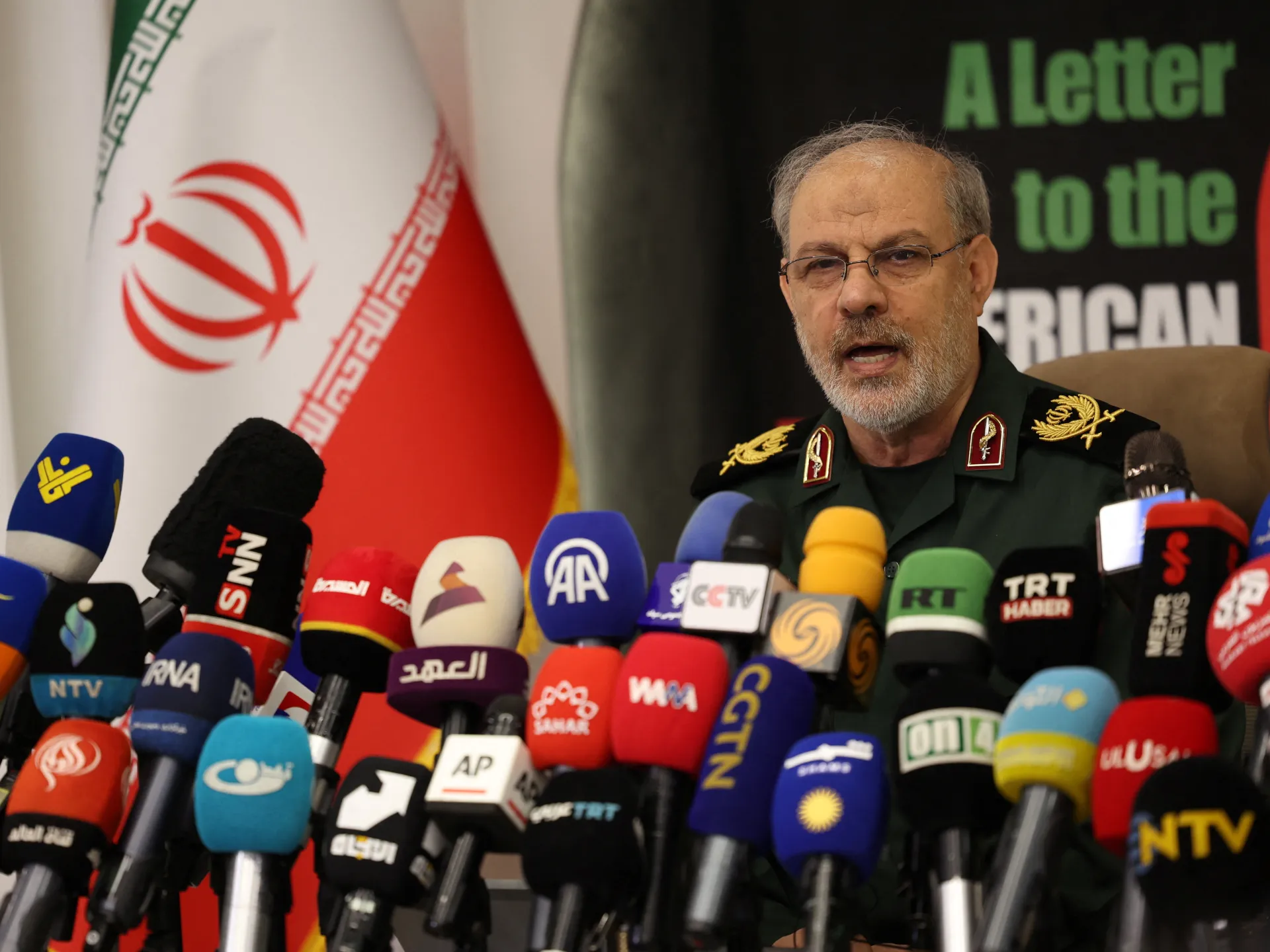
Iran's Foreign Minister, Abbas Araghchi, rejected the proposal, arguing that navigation will only return to normal if the war ends and sanctions are lifted. He contended that the resolution ignores the root causes of the crisis, attributing the situation to US force and the blockade. Meanwhile, US envoy Mike Waltz condemned reports of a proposed Persian Gulf Straits Authority, calling the imposition of tolls a cynical bid for leverage that violates international law.
The urgency of the measure stems from the strategic importance of the waterway, through which approximately one-fifth of global energy exports pass in peacetime. Following US and Israeli attacks on Iran in late February, Tehran responded by striking energy and civilian infrastructure in neighbouring Gulf countries and bringing traffic through the strait to a near total standstill. While Saudi Arabia and the UAE have pipelines to bypass the narrow waterway, other nations like Qatar have been forced to halt energy exports.
Recent escalations have further complicated the diplomatic landscape, including explosions reported near the Iranian naval port of Bandar Abbas where commercial sections were reportedly targeted. The new draft seeks to address these violations without the political friction that previously blocked similar attempts to legitimise military action against Iran.