China’s zero-tariff Africa policy exposes deep trade imbalances
As Kenya and South Africa capitalise on new market access, analysts warn that Africa’s $102 billion trade deficit with Beijing underscores the urgent need for value-added industrialisation.
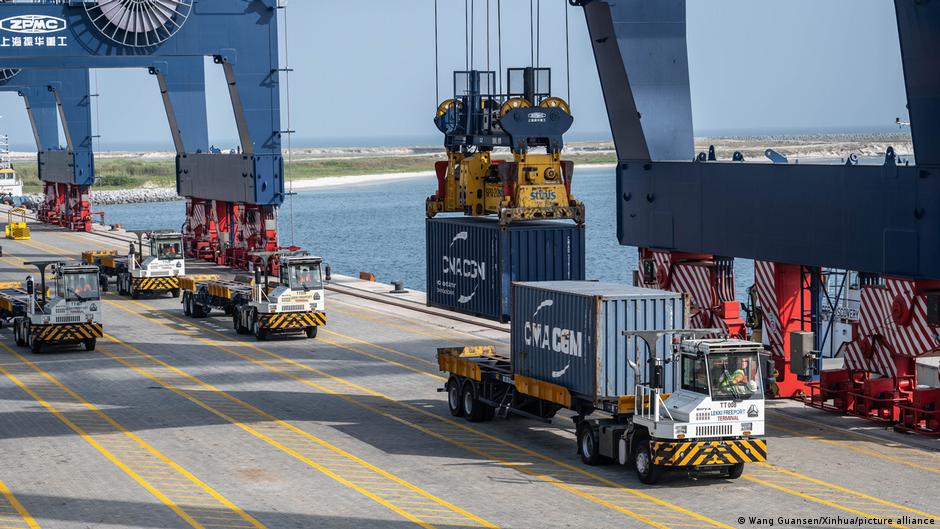
China has implemented a two-year zero-tariff policy for imports from 53 African countries, effective 1 May, granting tariff-free market access to Beijing’s consumers. The initiative, described by some as a “golden key” to prosperity, has already seen early shipments of Kenyan avocados arrive in China, signalling the policy’s initial operational impact. However, the move coincides with a record $348 billion in bilateral trade for 2025, where Africa recorded a significant $102 billion trade deficit with China, highlighting structural disparities in the economic relationship.
The benefits of the policy appear disproportionately concentrated among middle-income African economies with established export infrastructure. Kenya has secured approximately 98.2% zero-duty market access for its products under an Early Harvest Agreement, allowing its coffee and agricultural sectors to compete more directly in the Chinese market. Similarly, South African rooibos tea now enjoys tariff-free access, and the mining sector, including gold, platinum, and chrome, may benefit from lower entry costs into Chinese supply chains.
In contrast, landlocked nations such as Mali and Niger face significant logistical hurdles that may offset tariff savings. High transport costs to reach ports, combined with a lack of large-scale export industries capable of meeting Chinese volume and certification requirements, limit their ability to capitalise on the new rules. Most shipping between Africa and China currently transits through Dubai or Singapore, adding costs that complicate the economic calculus for these less developed states, although China is investing in direct shipping links to mitigate this.
Experts urge African nations to focus on value-added exports rather than raw materials to maximise benefits from the policy. Adu Owusu Sarkodie, an economist at the University of Ghana, noted that low export prices stem from a lack of value addition, urging Accra to shift from exporting raw cocoa beans to processed goods like cocoa butter and chocolate. Ghana’s trade with China reached a record $14.1 billion in 2025, but economists warn that zero tariffs on processed goods benefit African workers, whereas zero tariffs on raw beans primarily benefit Chinese factories.
The policy also intersects with broader geopolitical and industrial strategies. Industrialist Aliko Dangote argued that China’s dominance in African business is driven more by long-term financing for infrastructure projects than by tariff policies, citing the appeal of flexible financing terms compared to Western partners. Meanwhile, Lauren Johnston of the AustChina Institute suggests the policy could foster intra-African trade, potentially aiding weaker economies through spillover effects from stronger neighbours, though she emphasises that African nations must work out how to industrialise from this process to replicate China’s growth story.