China’s Teapot Refiners Set to Increase Iranian Oil Purchases as Shandong Stockpiles Hit Yearly Low
Shandong reserves fell by 35 million barrels in July, the sharpest decline since 2016, prompting a shift in sourcing strategy as total Chinese crude imports rise 22 per cent month-on-month.
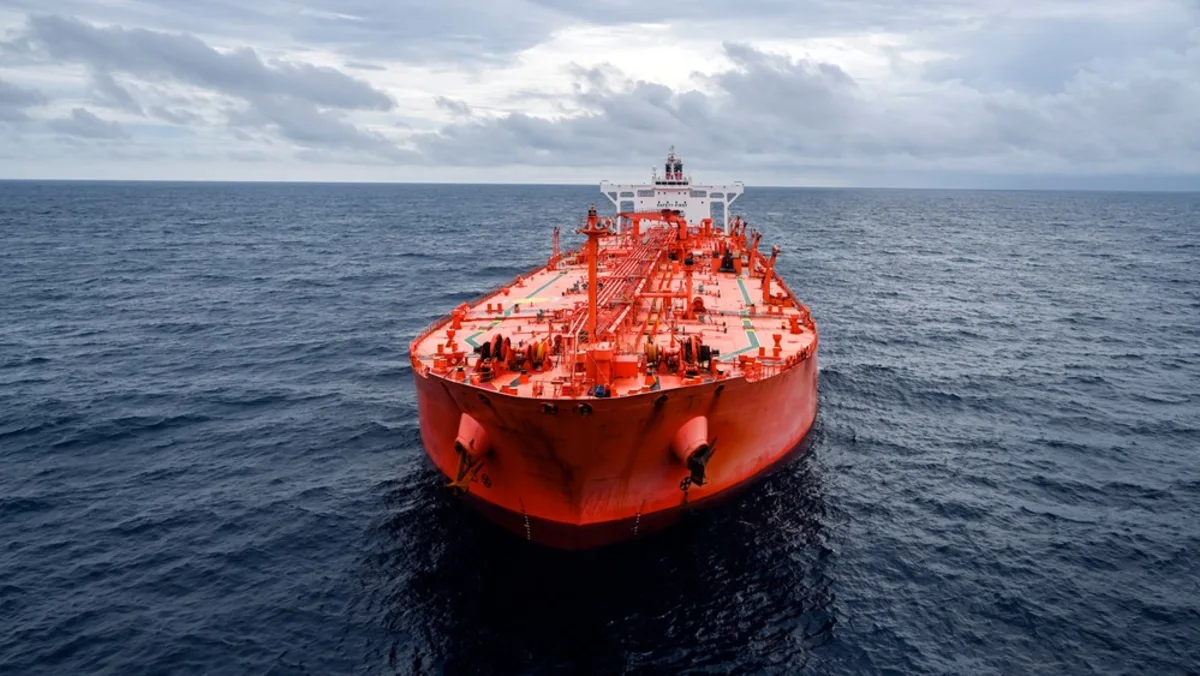
China’s independent refiners, commonly referred to as teapots, are expected to significantly increase their purchases of Iranian crude oil in August. This strategic shift comes as stockpiles in Shandong province, the primary hub for these independent operators, have dropped to their lowest level this year. The move follows a period of reduced imports driven by volatile international prices and what appears to have been an unofficial policy to slash crude acquisitions.
Data provided by Energy Aspects and cited by Bloomberg indicates that Shandong inventories fell by approximately 35 million barrels in July alone. This represents the largest monthly decline since the firm began compiling data in 2016, leaving reserves at an estimated 360 million barrels by the end of the month. The drawdown marks a critical juncture for independent refiners who have been drawing on reserves for most of the ongoing Middle East conflict.
For the past six months of regional turmoil, these independent operators have limited their purchases and imports due to spiking international crude oil prices and the aforementioned unofficial policy to reduce crude intake. China has been able to sustain this pause in imports largely because it holds an estimated 1.3 billion barrels of crude oil across its commercial and strategic reserves, providing a substantial buffer against supply shocks.
Despite the pullback by independent refiners, total Chinese crude imports rebounded sharply in July. According to US Customs data, imports rose by 22 per cent from the decade-low recorded in June, averaging 8.45 million barrels per day last month. This recovery suggests a gradual return to international markets, a development that analysts warn could negatively impact oil bears who have benefited from China’s previous import hiatus.
The timing of the expected increase in Iranian oil purchases aligns with shipping windows where millions of barrels of Iranian crude exited the Strait of Hormuz. These shipments were positioned to reach Asia during the mid-June to early July period, coinciding with a window when the United States lifted its blockade aimed at preventing Iranian exports. As Shandong stockpiles remain constrained, the return to Iranian crude offers a viable supply source for refiners looking to replenish their tanks.