China’s Chang’e-7 mission targets lunar south pole for ice verification
Beijing’s seventh lunar mission will deploy a unique six-legged hopper to assess water accessibility in permanently shadowed craters, a critical step for future resource extraction and crewed operations.
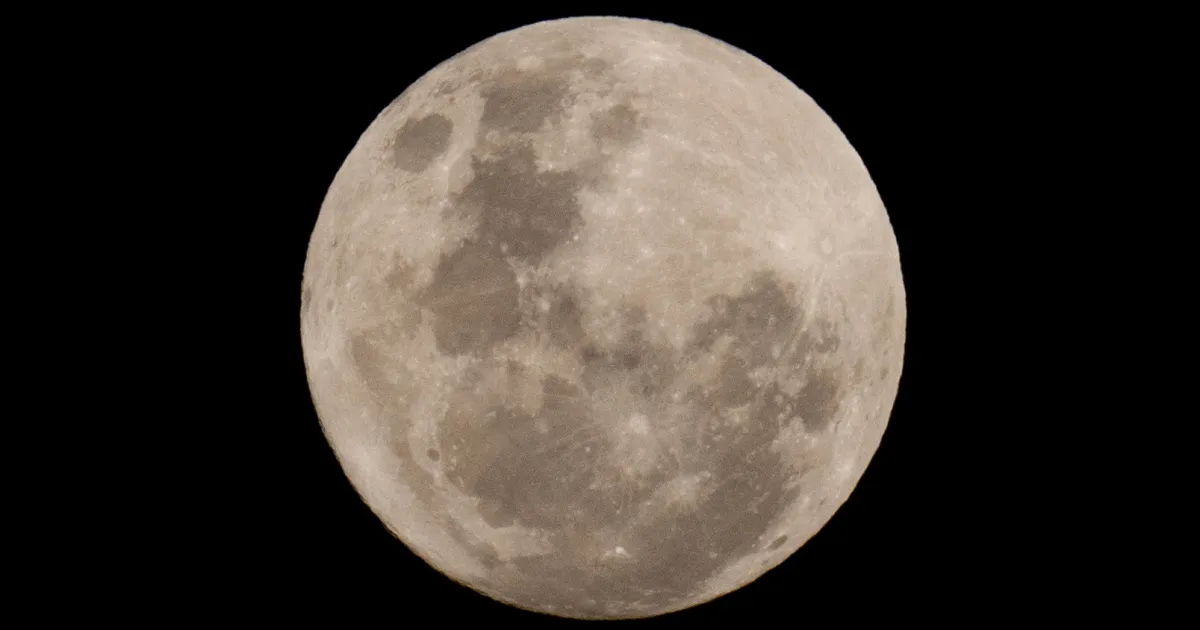
China is preparing to launch its Chang’e-7 unmanned robotic space mission within a window running from 24 to 31 August 2026. The primary objective of the mission is to search for ice water in the permanently shadowed craters of the moon’s south pole. This marks the seventh and most ambitious lunar endeavour for the Chinese space programme to date.
The spacecraft configuration includes an orbiter, a lander, a rover, and a distinctive six-legged hopper. This hopper is specifically designed to jump into and out of deep, shadowed craters near the south pole, a method not previously employed by other space missions. The terrain in this region is characterised by deep trenches and craters, making it difficult for traditional rovers to navigate effectively.
The mission aims to determine the exact location, depth, and form of water within these lunar craters. It will also assess whether the water is realistically accessible for future use. According to Al Jazeera, this data is essential for supporting future crewed missions and potential resource extraction.
The search for lunar water builds on two decades of scientific findings. In 2009, NASA provided direct confirmation of significant ice water on the moon, while in 2020, the agency announced that water molecules are encapsulated within mineral grains on the lunar surface. India’s Chandrayaan-3 mission, which successfully landed in August 2023, also found evidence of water on the south pole through soil temperature readings.
However, the landscape of lunar exploration has been marked by both success and failure. Russia’s Luna-25 mission, launched in 2023 to search for frozen water, crashed after spinning out of control, preventing any scientific data collection. The upcoming Chang’e-7 mission seeks to address these gaps by verifying the extent and accessibility of the water resources identified by previous probes.
The political and economic implications of lunar water are significant under the 1967 United Nations Outer Space Treaty. While the treaty bans any nation from claiming sovereignty over the moon, it leaves key questions about resource ownership unresolved. If the water is accessible, it could serve as a source of drinking water, fuel, and oxygen for crewed missions, potentially supporting onward missions to Mars or lunar mining operations.