China to seek Taiwan concessions for Iran diplomacy at Trump-Xi summit
As President Donald Trump arrives in Beijing, experts suggest China views the Iran blockade as secondary to its strategic priority of Taiwan, potentially conditioning any diplomatic intervention on US policy shifts.
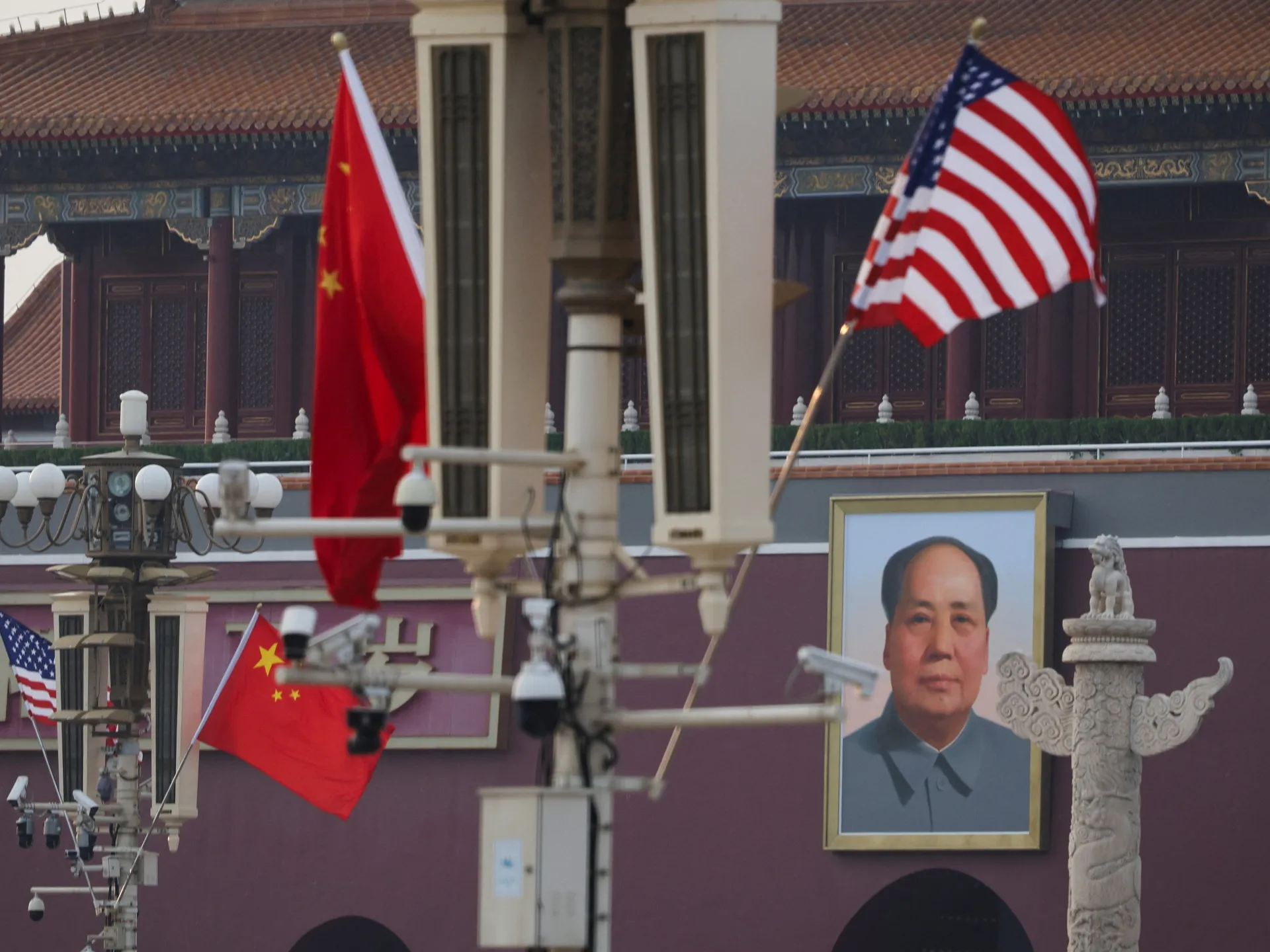
President Donald Trump has arrived in Beijing for a two-day summit with Chinese President Xi Jinping, bringing with him a delegation of business leaders including Nvidia chief Jensen Huang and Elon Musk. The meeting occurs amidst an ongoing conflict in Iran and a blockade of the Strait of Hormuz, a critical chokepoint for global energy supplies. While US officials, including Treasury Secretary Scott Bessent, are urging China to use its influence to pressure Iran into reopening the strait, analysts suggest Beijing views the Iran crisis as secondary to its top priority: Taiwan.
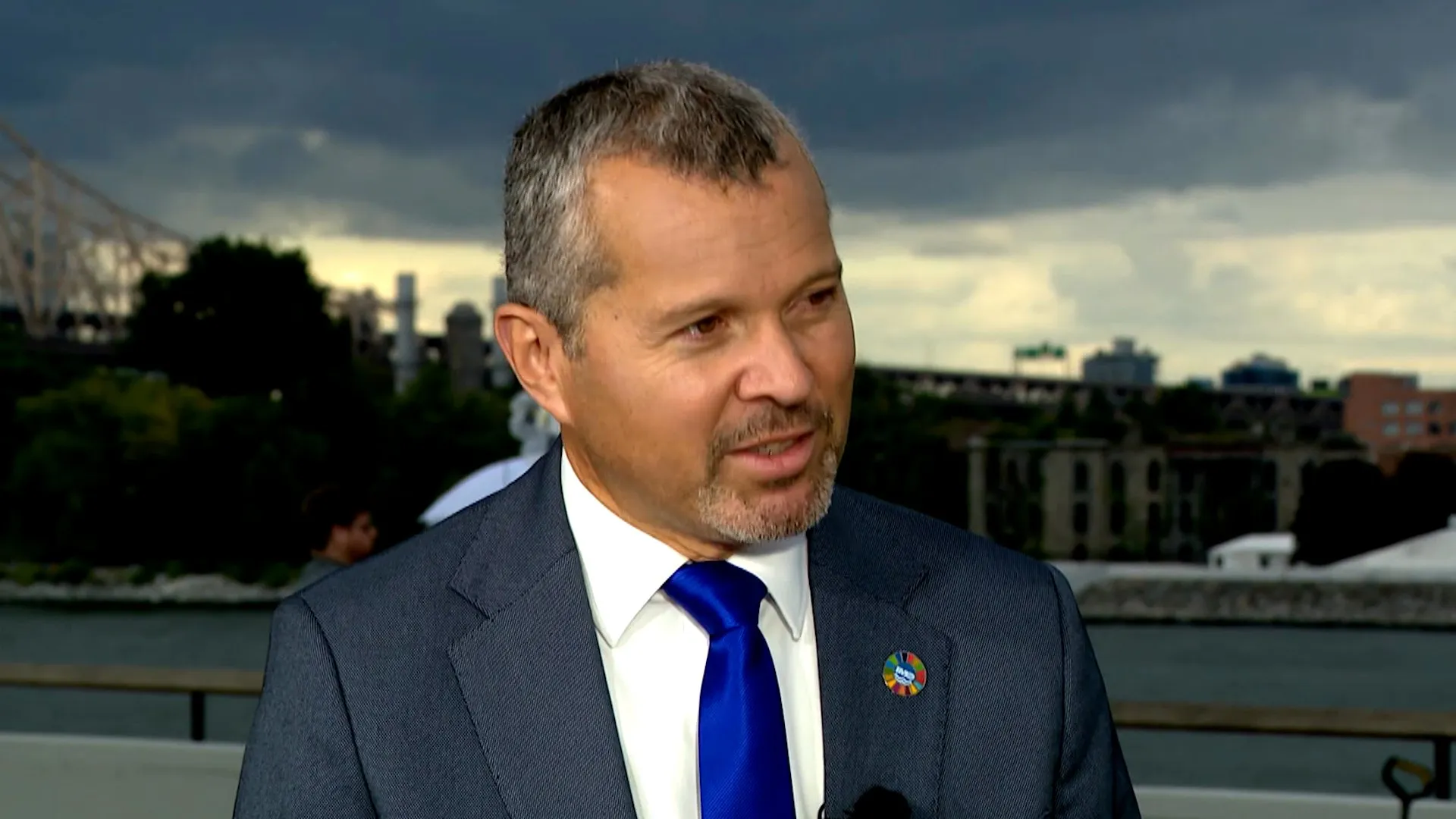
Christopher Heurlin, an associate professor of government and Asian studies at Bowdoin College, noted that the Iran issue is not the central focus for either party. Heurlin indicated that Taiwan will remain China’s primary concern, while Trump is likely to push Beijing to purchase more US soya beans. China, a major importer of Iranian and Middle Eastern oil, faces economic strain from the disruption caused by Tehran’s blockade and the US naval siege on Iran. Despite amassing oil reserves to weather global energy shortfalls, Beijing has an interest in opening the strait, though it has been reluctant to get involved in the crisis.
Inderjeet Parmar, professor of international politics at City St George’s, University of London, stated that Trump heads to China “chastened” by the shortcomings of the Iran war. Parmar suggested that while Trump needs Chinese support to open the Strait of Hormuz, China can use this leverage regarding Taiwan. Experts note that China may leverage the diplomatic situation to persuade the Trump administration to halt a $14bn arms sale to Taiwan, which has been approved by Congress but is stalled on Trump’s desk.
Chinese Foreign Minister Wang Yi recently hosted Iranian Foreign Minister Abbas Araghchi, with Beijing calling for a comprehensive ceasefire and normal passage through Hormuz, while supporting Iran’s sovereignty. The Economist recently featured Xi Jinping on its cover with a quote attributed to Napoleon Bonaparte: “Never interrupt your enemy when he is making a mistake,” reflecting the perception that the US is struggling in the Iran conflict. Trump has publicly stated he does not need Chinese assistance, claiming the conflict is “under control,” despite domestic pressures from rising petrol prices and inflation.
William Yang, senior analyst for Northeast Asia at the International Crisis Group, said China and the US both want Hormuz to open, but their preferred approaches do not align. A US military initiative to reopen Hormuz by force earlier this month lasted less than 48 hours without significantly increasing traffic. Yang noted that Washington understands it may need Beijing’s help to nudge Iran back to the negotiating table, but directly seeking support would likely mean giving China the upper hand in bilateral relations. Trump’s National Security Strategy has shifted focus from the Asia Pacific rivalry to the Western Hemisphere, though trade and tariffs remain significant irritants.