China rejects ‘malicious competition’ framing in AI rivalry with US
Beijing has called for open and inclusive global AI governance as Washington weighs safety concerns against the strategic contest for technological leadership.
China has rejected descriptions of its artificial intelligence relationship with the United States as a confrontation or “malicious competition”, calling instead for international cooperation on governance.
Foreign ministry spokesperson Guo Jiakun said narratives centred on threats, confrontation and competition would disrupt global AI governance. He called for AI development that was open, inclusive, beneficial and oriented towards the public good, according to the BBC.
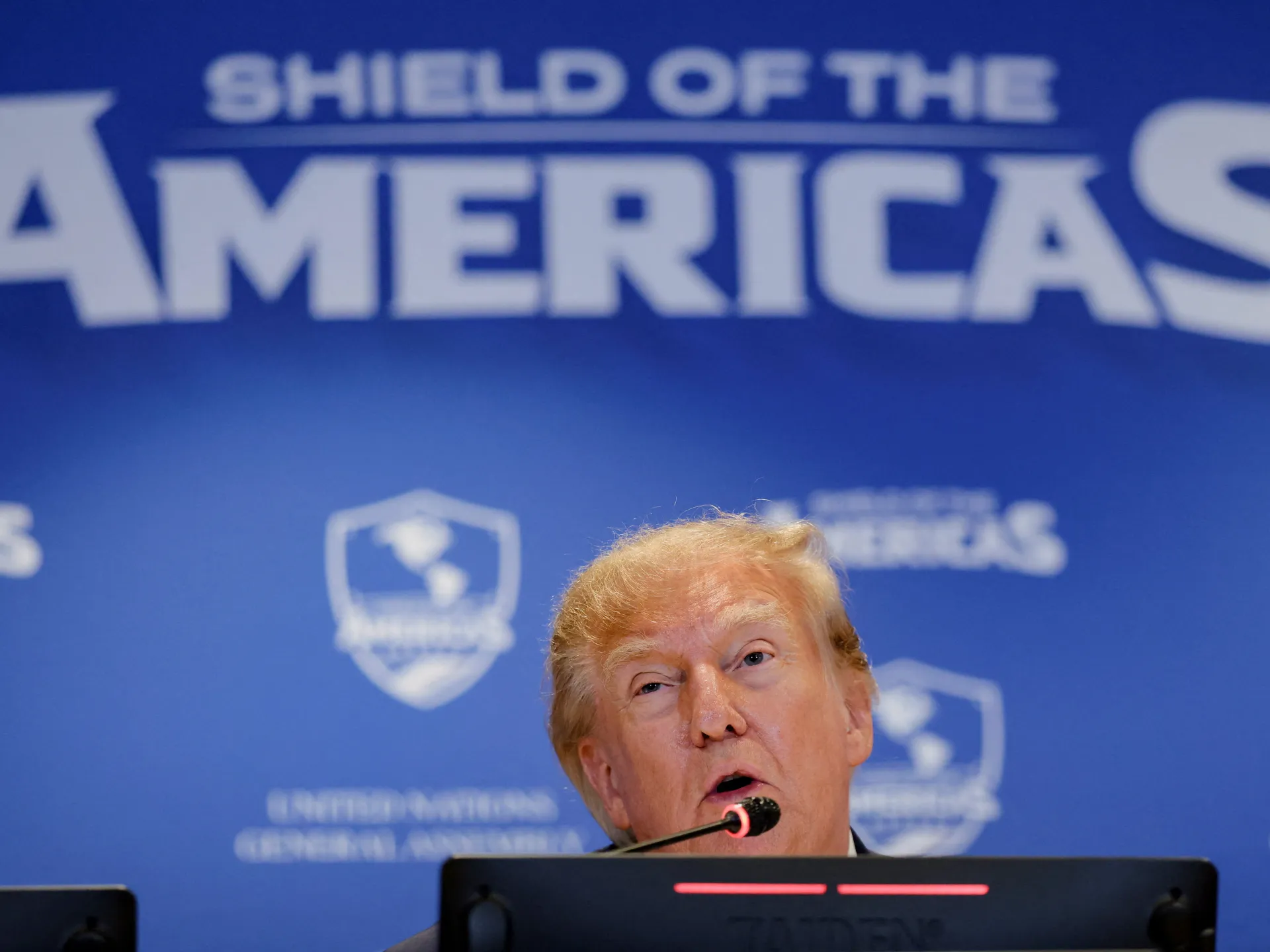
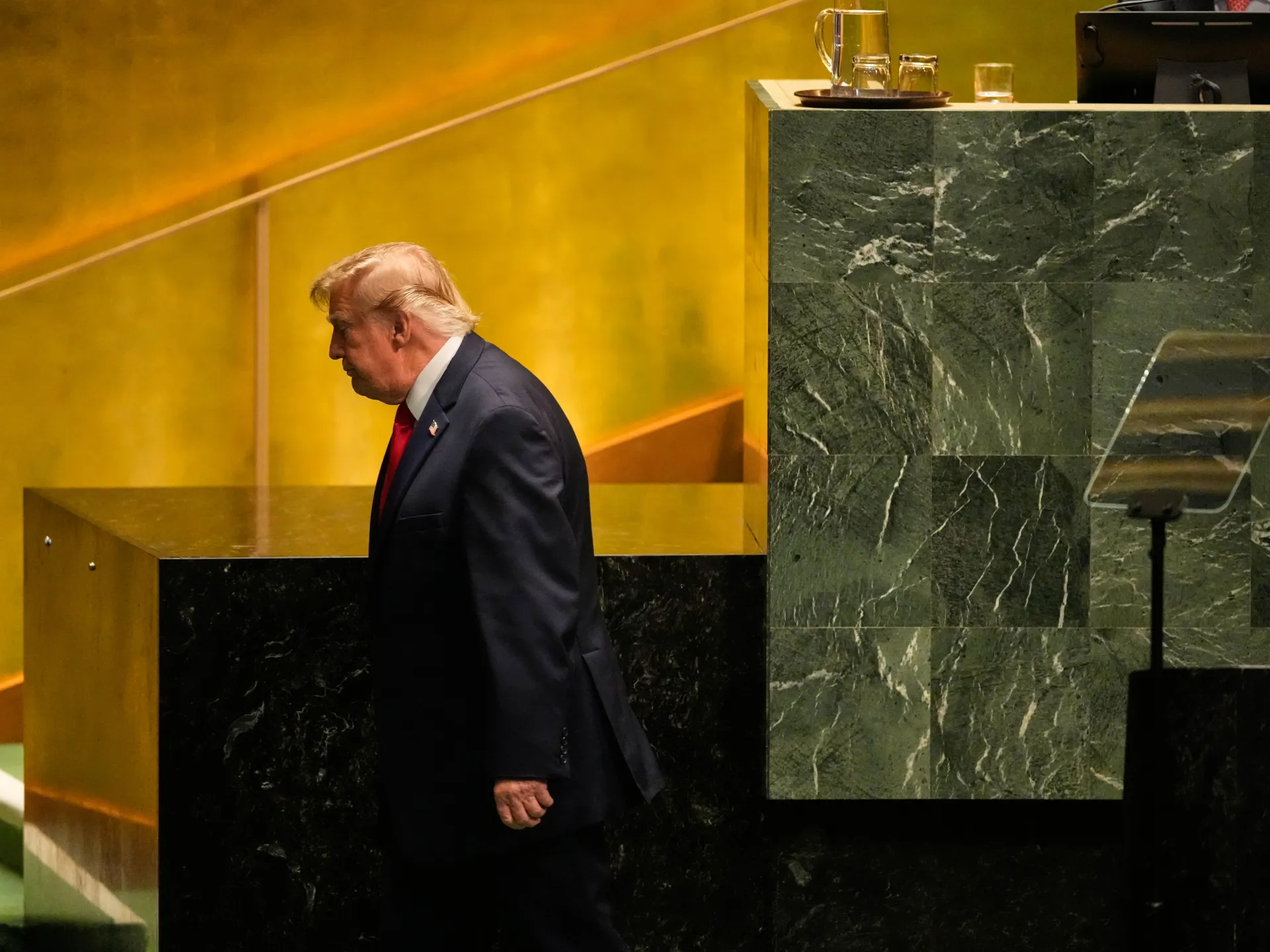
The comments follow calls in the United States for slower and safer AI development, including from Anthropic chief executive Dario Amodei, who has warned against allowing China to pull ahead. President Donald Trump, however, has made maintaining the US lead in AI a priority.
AI has become a central area of strategic competition between the two countries. Chinese innovation has expanded despite US restrictions on critical chips, supported by open-source technology and government backing. Experts cited by the BBC continue to regard the US as ahead in frontier AI, although the source does not quantify the gap.
Beijing has also linked AI development with security and regulation. State security minister Chen Yixin called for stronger laws, ethical guidelines and risk prevention, while warning about the use of AI by hostile forces such as foreign intelligence services.
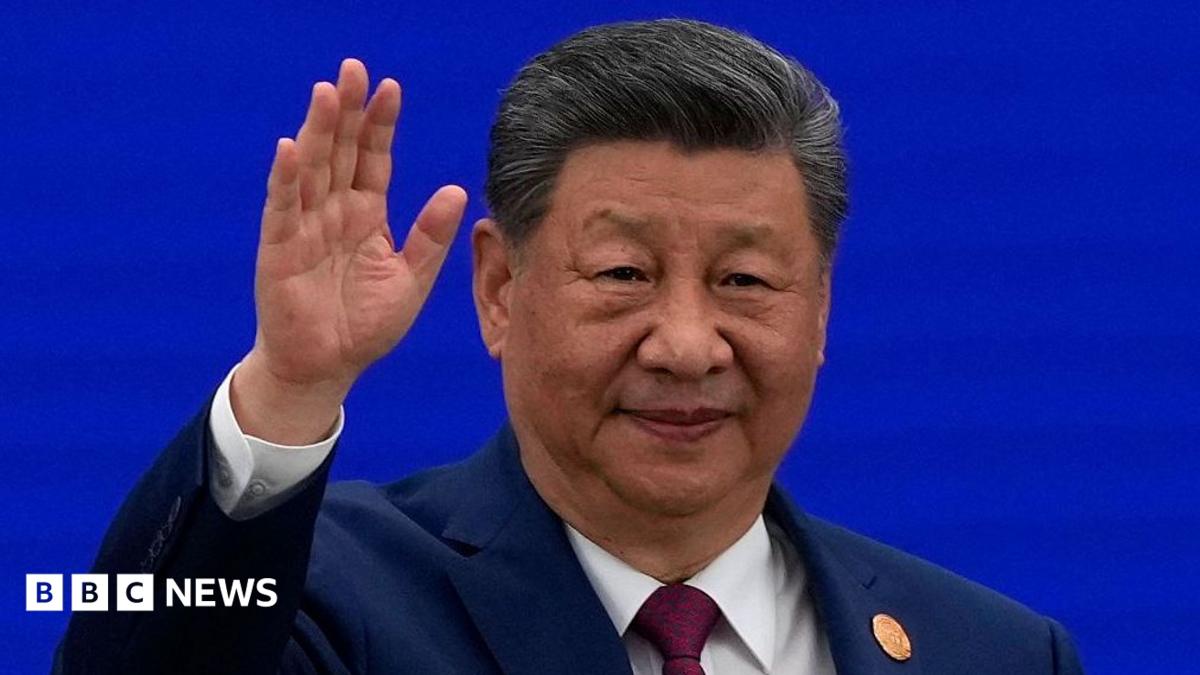
China established the World AI Cooperation Organisation in July, and President Xi Jinping has proposed an open-source AI community. Reports that AI could feature in prospective US-China talks have not established whether the two governments will reach any agreement on slowing or regulating development.