China redirects Belt and Road funding to green energy as Middle East tensions curb oil demand
Beijing accelerates renewable project investments through its global infrastructure strategy, capitalising on shifting global energy dynamics amid ongoing regional conflict.
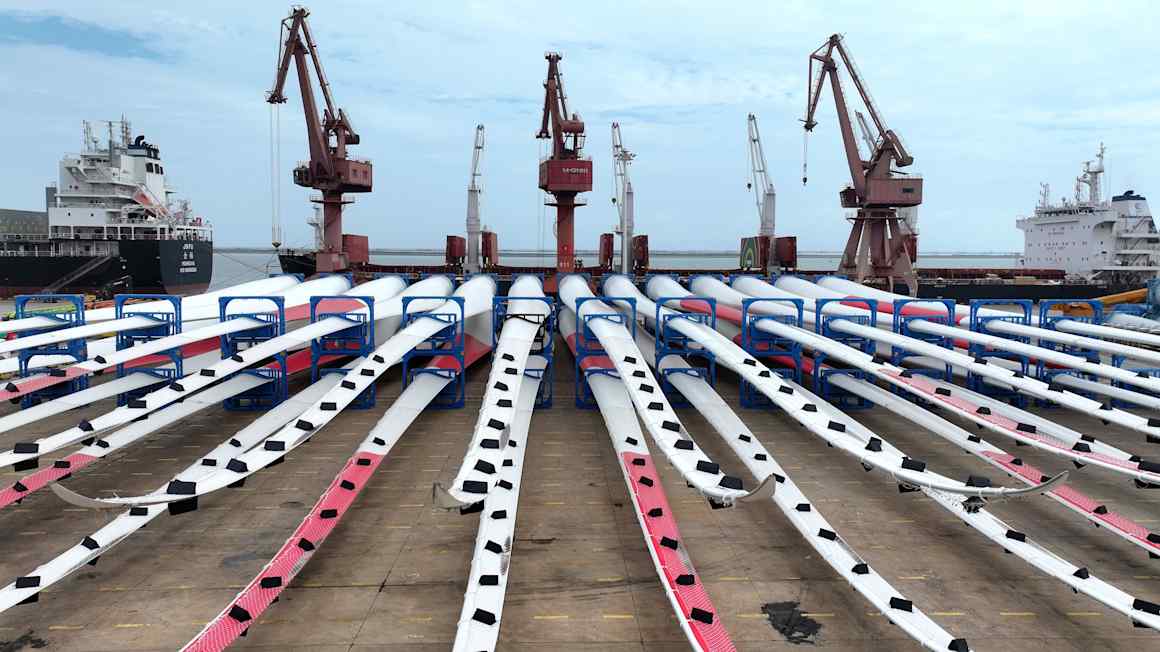
China is accelerating its investments in renewable energy projects through the Belt and Road Initiative (BRI), strategically redirecting capital to align with rising global demand for clean power. According to the Financial Times, Beijing is leveraging this shift to capitalise on market conditions where the ongoing conflict in the Middle East has suppressed global oil demand.
The move represents a tactical adjustment within China’s broader global infrastructure development strategy. As geopolitical tensions in the Middle East continue to weigh on traditional energy markets, there has been a concurrent increase in the international appetite for alternative energy sources. China’s BRI is now actively funneling funding into green energy deals to meet this emerging demand.
This reallocation of resources highlights how Beijing is responding to immediate market dynamics. The suppression of oil demand caused by the regional conflict has bolstered interest in renewables, providing a timely opportunity for China to expand its portfolio in the clean energy sector. The initiative is thus adapting to a landscape where reliance on fossil fuels is being challenged by both geopolitical instability and a broader global trend toward sustainability.
While the Financial Times reports that the BRI is taking advantage of this rise in appetite for renewables, the specific monetary value or volume of the new green energy funding has not been detailed. Similarly, the exact timeline for the implementation of these projects remains unspecified. However, the strategic intent is clear: to position China’s infrastructure investments at the forefront of the energy transition while mitigating exposure to volatile oil markets.
The shift underscores the interconnected nature of global energy markets and infrastructure policy. As the Middle East conflict drags on, its impact on oil demand serves as a catalyst for accelerated investment in clean power. China’s decision to channel BRI funds into renewables reflects a pragmatic response to these concurrent market conditions, aiming to secure long-term energy assets in a rapidly evolving global economy.