China launches Shenzhou-23 mission with one-year orbital stay goal
The Shenzhou-23 crew, including Hong Kong’s first astronaut, begins a mission designed to test sustained occupation of the Tiangong space station.
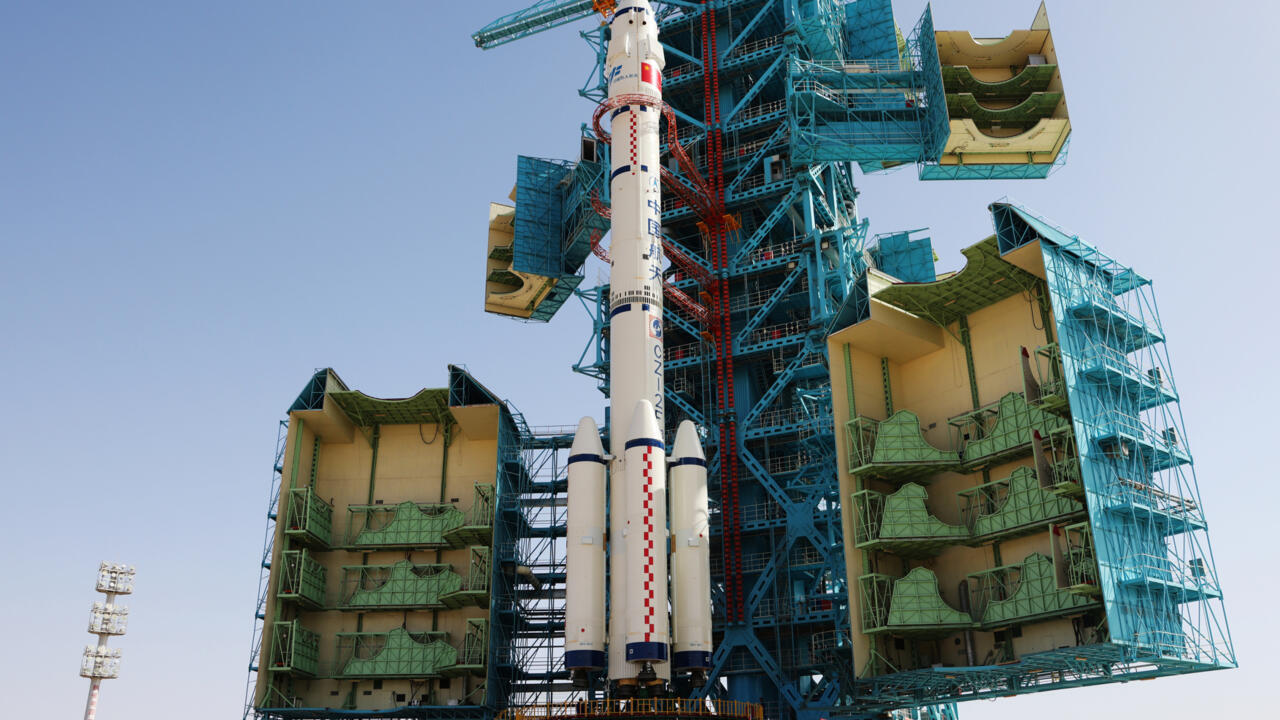
China launched the Shenzhou-23 mission on Sunday, deploying three astronauts to the Tiangong space station with the objective of sustaining a one-year orbital presence. This extended duration marks a significant escalation from the standard six-month rotation, designed to gather critical data on long-term microgravity effects for future deep-space operations, including a planned crewed Moon landing by 2030.
The launch occurred at 11:08pm local time (1508 GMT) from the Jiuquan launch centre in the Gobi Desert. The crew comprises Li Jiaying, the first astronaut from Hong Kong and former police officer, alongside Zhu Yangzhu and Zhang Zhiyuan, both making their maiden spaceflights. The mission also encompasses advanced scientific research, including the world’s first human “artificial embryo” experiment, building upon stem cell studies initiated during the Shenzhou-22 mission.
Li Jiaying, 43, joins 39-year-old space engineer Zhu Yangzhu and former air force pilot Zhang Zhiyuan on the mission. While the specific astronaut selected for the one-year stay will be named at a later date contingent on mission progress, the extended duration is intended to study physiological and psychological effects such as bone density loss, muscle wasting, and radiation exposure.
The mission aims to build operational experience for sustained occupation of the space station and future deep-space ambitions. Richard de Grijs, an astrophysicist at Macquarie University, noted that a year in orbit pushes both hardware and humans into a different operational regime compared with the shorter Shenzhou missions of the programme's earlier phases.
Beijing plans to welcome its first foreign astronaut, from Pakistan, aboard Tiangong by the end of 2026. The agency is also testing equipment for its lunar goal, with an orbital test flight of the new Mengzhou spacecraft set for 2026, aiming to replace the ageing Shenzhou line for future Moon missions.