China invokes 2021 anti-sanctions law to block US penalties on five oil refineries
The Ministry of Commerce directs all citizens and companies to ignore US penalties targeting Hengli Petrochemical and four other refineries accused of handling Iranian oil.
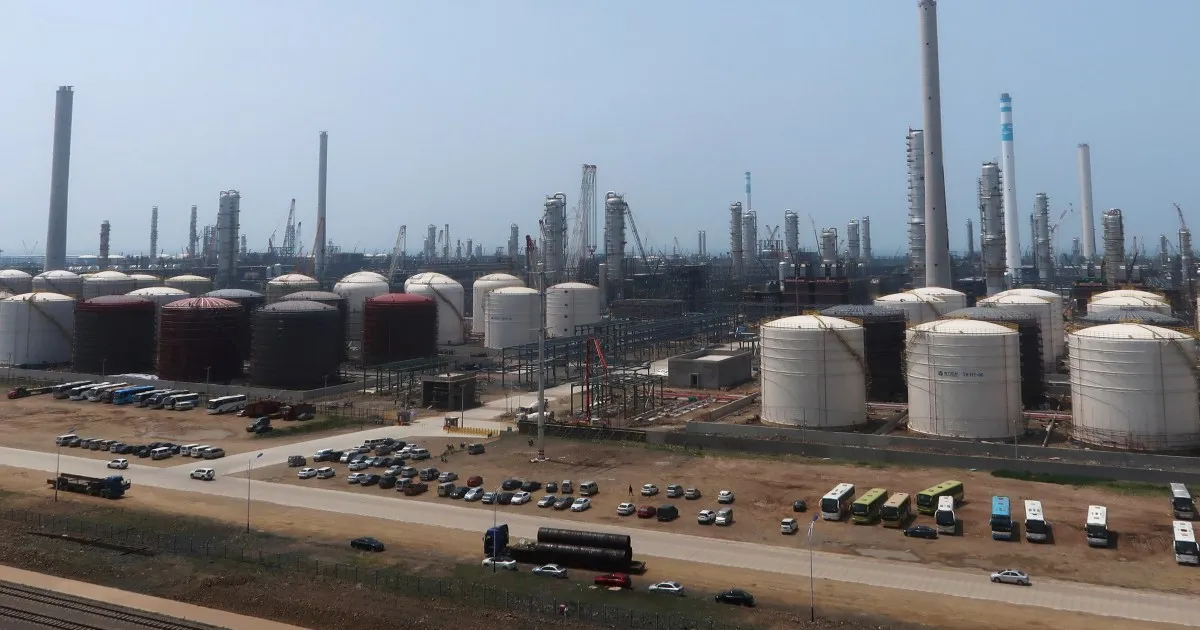
China's Ministry of Commerce has issued a formal prohibition order directing all citizens and companies to refuse compliance with United States sanctions targeting five oil refineries, including Hengli Petrochemical. This directive marks the first formal invocation of the 2021 Rules on Counteracting Unjustified Extra-territorial Application of Foreign Legislation and Other Measures. The move represents a significant escalation in Beijing's legal resistance to what it characterises as US long-arm jurisdiction.
The order stipulates that the US sanctions on the five refineries shall not be recognised, enforced or complied with. The Ministry of Commerce stated that these measures improperly restrict normal trade and business activities in violation of international law. Consequently, the directive was issued to safeguard China's national sovereignty, security, and development interests, as well as the lawful rights and interests of Chinese citizens.
Under the new framework, affected parties are legally required to report their circumstances to the Ministry of Commerce within 30 days of being restricted by foreign legislation. The ministry has established a 30-day review period to determine if a business or individual has been subject to an unjustified extra-territorial application before issuing a blocking order. Failure to report the situation to the authorities may result in potential penalties, including warnings and fines.
The legal action follows recent sanctions imposed by the US Department of the Treasury last month on Hengli Petrochemical and four other refineries. Washington accused the entities of generating significant revenue for Iran's military through crude oil purchases, describing the facilities as teapot refineries that facilitate Tehran's military capabilities. The Ministry of Commerce maintains that the Chinese government consistently opposes unilateral sanctions that lack authorisation from the United Nations and a basis in international law.
Chinese law now mandates that businesses suffering losses due to compliance with foreign sanctions can initiate court proceedings for compensation. In some cases, affected entities may receive necessary support from the government. This codified system shifts Beijing's strategy from reactive diplomatic protests to a structural legal response, viewing US sanctions as a systemic, long-term challenge.
Market intelligence firm Kpler reports that Chinese buyers accounted for more than 80 per cent of Iran's oil shipments in 2025. While the order signals a more assertive approach to countering sanctions, analysts note that the practical impact depends on whether Beijing decides to impose penalties and the extent to which firms choose to sue. The move potentially places companies in a difficult position, facing binary choices between complying with US sanctions and risking Chinese countermeasures.