China human rights cases stall after Trump-Xi summit discussions
No official developments have emerged since US President Donald Trump reported that Chinese President Xi Jinping would consider releasing Christian pastor Ezra Jin Mingri, while remaining pessimistic about the case of Hong Kong media tycoon Jimmy Lai.
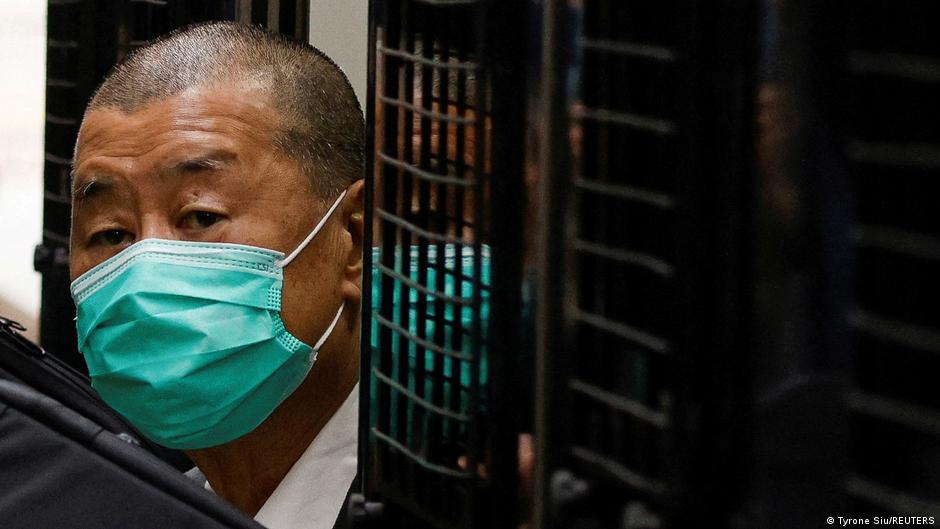
The status of high-profile political prisoners in China remains uncertain following discussions between US President Donald Trump and Chinese President Xi Jinping during their recent summit. Trump confirmed to reporters on May 15 that he had raised the cases of Christian pastor Ezra Jin Mingri and Hong Kong media mogul Jimmy Lai with his Chinese counterpart. While Trump stated that Xi indicated he would "strongly consider" releasing Jin, he described Lai’s situation as "a tough one" and admitted to feeling pessimistic about a resolution.
Jin Mingri, the founder of the Zion Protestant Church, was arrested in October 2025 and charged with illegally using information networks for online preaching. His daughter, Grace Jin Drexel, confirmed that her father has diabetes and is not doing well in detention. Jin has reportedly informed Chinese authorities that he is willing to retire from the church and relocate to the United States if released. Drexel expressed cautious optimism regarding the summit discussions but noted the historical difficulty China presents in releasing prisoners of conscience.
Jimmy Lai, 78, has been in detention since 2020 and was sentenced in February to 20 years for foreign collusion and sedition related to his ownership of the now-defunct pro-democracy Apple Daily newspaper. Lai is a UK citizen, a fact that has prompted calls for greater diplomatic intervention from London. Aleksandra Bielakowska of Reporters Without Borders emphasised that the UK should do more to secure Lai’s release, noting that such decisions are often announced during high-level meetings.
Advocacy groups are now focusing on Xi’s upcoming visit to Washington in September as a critical opportunity to apply pressure. Mark Clifford, president of the Committee for Freedom in Hong Kong, suggested that Lai’s case could be part of a prisoner swap, drawing comparisons to the 2021 exchange involving Huawei executive Meng Wanzhou. Clifford noted that while Trump tried to downplay expectations, the issue remains a persistent target for activists.
Diplomatic experts argue that China’s sensitivity to trade and business relationships offers a significant leverage point for Western governments. Bielakowska stated that Beijing is opportunistic and responsive to business pressures, suggesting that the US and Europe should utilise their economic ties to push for releases. Human rights lawyer Jared Genser echoed this sentiment, calling for consistent and public pressure from a wider array of governments beyond the United States to generate forward motion on individual cases.
Since Trump’s remarks in May, there have been no further updates from Washington or Beijing. Both Jin’s and Lai’s families have thanked the Trump administration for raising their cases, but Drexel confirmed that no other developments have been made public. The international community now waits to see if the diplomatic leverage of the September summit will translate into tangible outcomes for the detained individuals.