China EV exports surge 40 per cent in April despite Western tariffs
Year-to-date overseas sales reach 893,852 units as demand spikes in Brazil, Australia and Germany, outpacing protectionist measures from the US and EU.
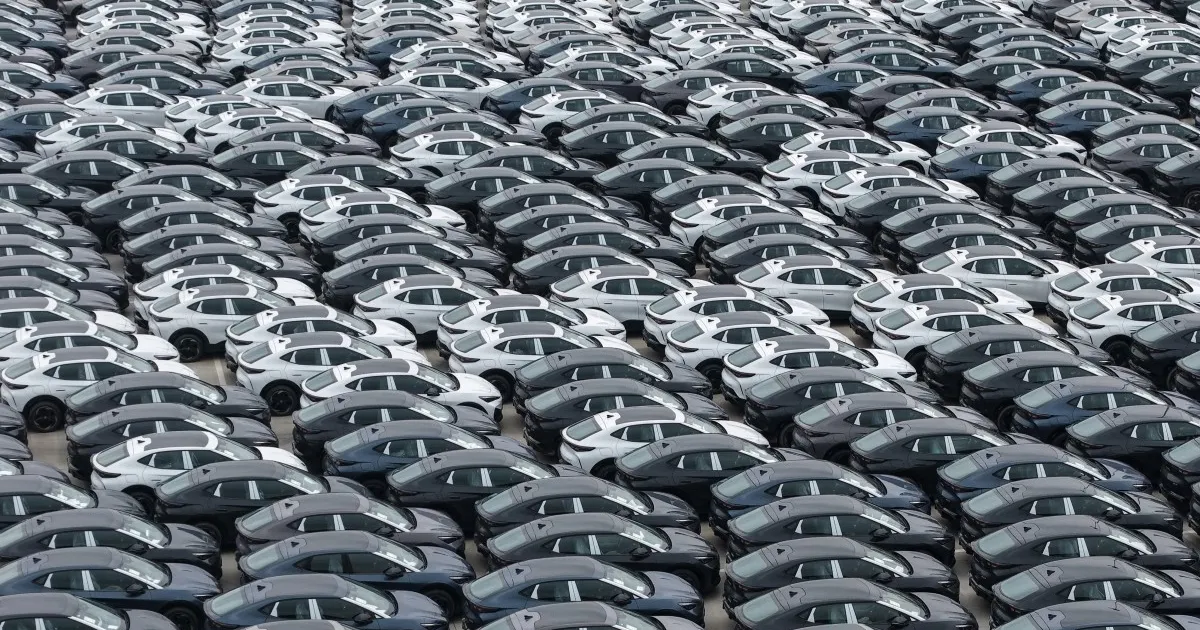
China’s electric vehicle exports rose 40 per cent in April to reach 278,081 units, according to customs data compiled by Bloomberg. The surge has pushed year-to-date overseas sales to 893,852 units, reinforcing the country’s position as the central hub of the rapidly expanding global market. This growth trajectory persists despite escalating trade barriers from major Western economies, including a 100 per cent tariff imposed by the United States and duties of up to 35.3 per cent from the European Union.
Asia remained the largest destination for Chinese electric vehicles, absorbing 110,613 units in April. Europe followed with 83,813 imports, while Latin America took 52,897. Oceania recorded 22,695 units, and North America imported 4,422. The data indicates a strategic pivot toward markets less constrained by the high tariffs dominating transatlantic trade relations.
Brazil experienced the most significant demand increase among top destinations, with imports rising 221 per cent to 38,144 units. South Korea, Germany and Australia also recorded sharp increases in demand, with imports rising between 100 per cent and 190 per cent. These figures highlight a broadening acceptance of Chinese models in key international markets, even as diplomatic and economic tensions with the US and EU intensify.
The International Energy Agency notes that China produced approximately 75 per cent of the 22 million global electric vehicles in 2025. Total exports reached a record 2.5 million that year, double the figure of the previous year. Outside of Europe and the US, Chinese models accounted for 55 per cent of all electric vehicle sales in 2025, underscoring the extent of Beijing’s market penetration in regions without equivalent protectionist policies.
The IEA estimates that global electric vehicle sales will hit 23 million in 2026, accounting for nearly 30 per cent of all auto sales. This follows a 2025 where global sales surpassed 20 million, representing about a quarter of total auto sales. The continued expansion of Chinese exports suggests that domestic manufacturing capacity and competitive pricing are driving global adoption, regardless of the tariff landscapes in traditional Western markets.