China dispatches aid to Cuba as US blockade tensions persist
The shipment underscores the deepening strategic divide between Washington and Beijing, with Cuba navigating a complex landscape of military acquisitions and diplomatic negotiations.
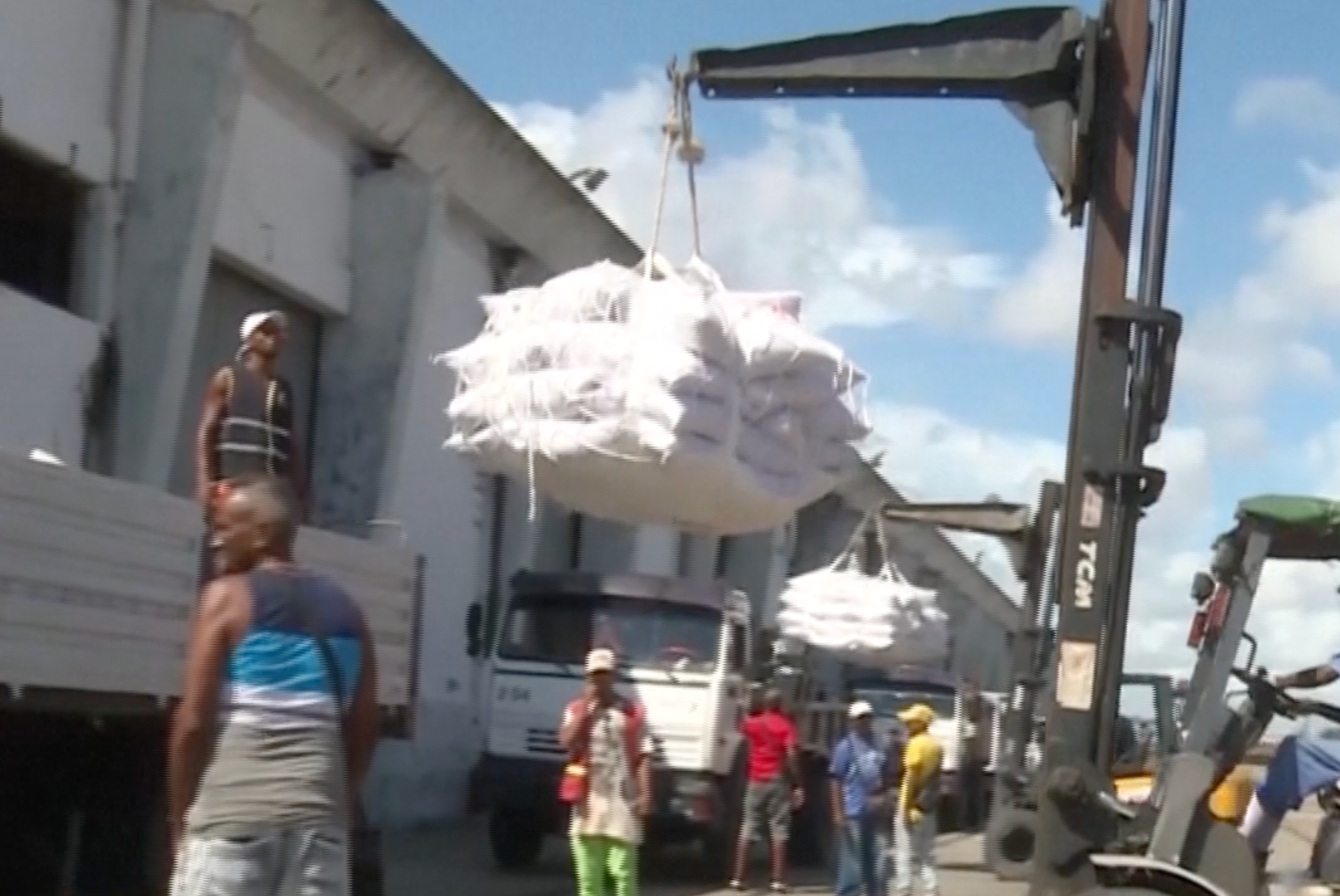
China has dispatched aid to Cuba, a development occurring against the backdrop of a stringent United States blockade. The move, reported by Al Jazeera Global News, highlights the continuing diplomatic and logistical support Beijing provides to Havana despite intense pressure from the United States.
The aid shipment arrives during a period of heightened tension between the two nations. Recent diplomatic engagements have included a visit by CIA Director John Ratcliffe to Havana for negotiations, signalling ongoing, albeit strained, communication channels between Washington and the Caribbean island.
Simultaneously, the US Treasury has imposed sanctions on Cuba’s intelligence agency, marking the latest in a series of punitive measures. These actions follow warnings from Havana regarding potential US aggression, with Cuban officials previously cautioning of a 'bloodbath' should an attack occur.
Regional dynamics have further complicated the security environment. Reports from US intelligence officials indicate that Cuba has acquired over 300 military drones from Russia and Iran. This military buildup coincides with separate humanitarian efforts, such as the arrival of a Panamanian-flagged merchant ship carrying 1,700 tons of aid from Mexico.
The dispatch of Chinese aid, while specific details regarding its nature and quantity remain unconfirmed, serves as a tangible indicator of the geopolitical realignment in the region. It places Cuba at the centre of a broader contest involving the United States, Russia, Iran, and Venezuela, with key figures such as Miguel Diaz-Canel navigating these shifting alliances.