Chile’s salmon sector under scrutiny for safety and environmental costs
As the nation’s second-largest industry, salmon farming drives an economic boom in southern Chile but faces allegations of deadly workplace accidents and ecological damage.
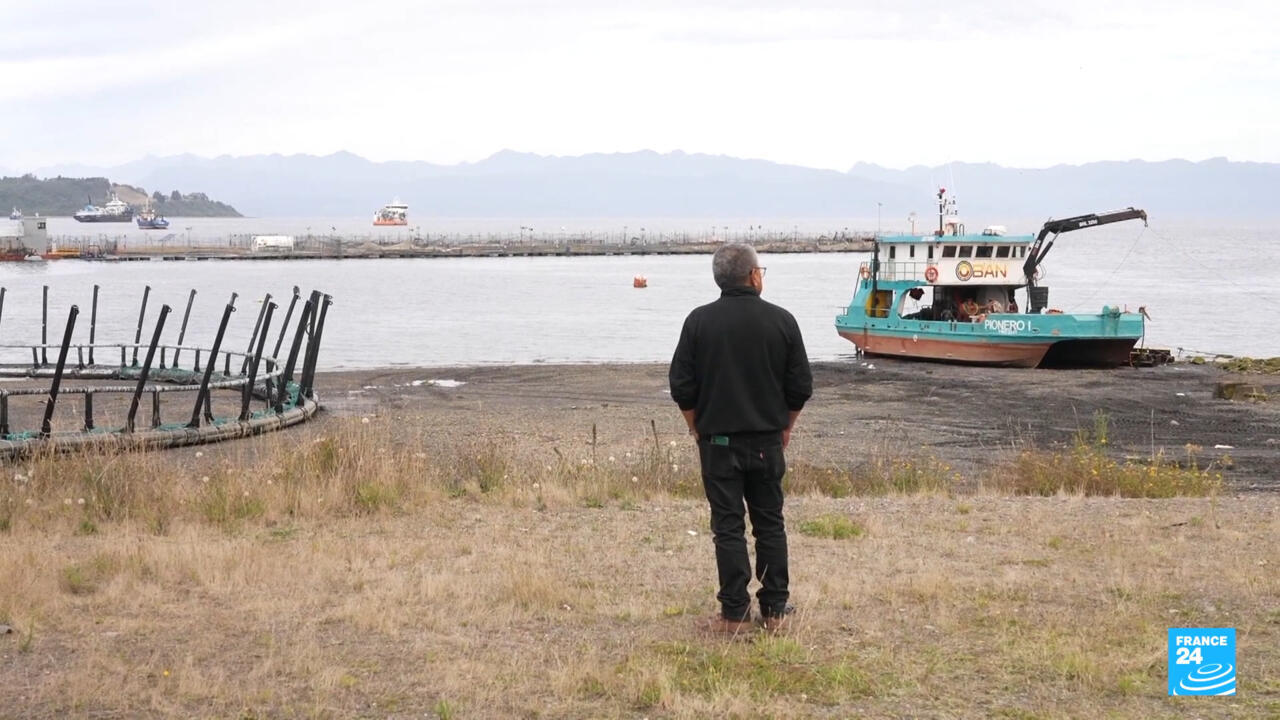
Chile’s salmon farming sector is facing intense scrutiny over its environmental and safety record, according to a recent report by France 24 International. The investigation, led by journalists Agathe Fourcade and Martin Chabal, examines the complex trade-offs associated with an industry that has become central to the country’s economic landscape.
Salmon farming has emerged as Chile’s second-largest industry, trailing only mining, and is responsible for more than a quarter of global production. This surge in output has been driven by exploding global demand for salmon, which is now one of the most widely consumed fish worldwide. For the southern regions of Chile, this growth has translated into a significant economic boom.
However, the report indicates that this commercial success carries substantial costs. The France 24 investigation highlights allegations of deadly workplace accidents within the sector, pointing to serious concerns regarding occupational safety standards. These incidents underscore the human toll associated with the industry’s rapid expansion.
Beyond workplace hazards, the sector is also under criticism for its impact on the local environment. The report cites polluted waterways and a disastrous effect on local wildlife in the areas surrounding farming operations. These environmental concerns have become a focal point of the debate surrounding the industry’s sustainability.
The findings from Agathe Fourcade and Martin Chabal illustrate the tension between the economic benefits of salmon farming and its ecological and social consequences. As the industry continues to dominate global markets, the questions regarding safety protocols and environmental management remain critical issues for Chilean governance.