Chilean authorities deploy water cannons to disperse student protesters
On 29 April, Chilean police used water cannons to break up demonstrations opposing government proposals to restrict free university access. Specific details regarding the scope of the proposed cuts remain unconfirmed.
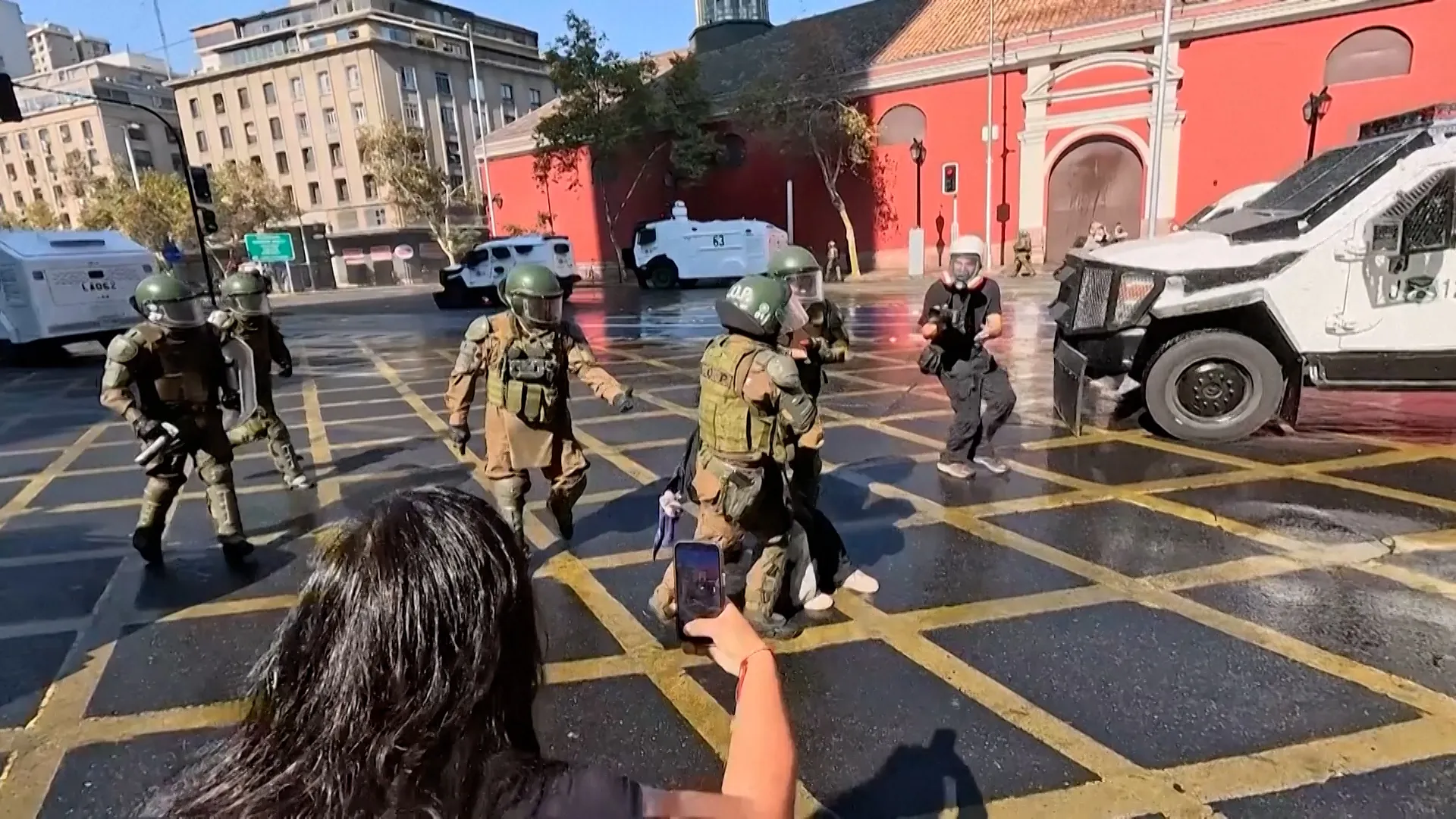
Chilean police deployed water cannons on 29 April 2026 to disperse student protesters who were demonstrating against new government proposals aimed at restricting free higher education. The intervention represents a direct confrontation between state security forces and student activists over the future of public funding for universities.
The deployment of the water cannons was the immediate response to the ongoing demonstrations targeting the administration's plans to limit access to tertiary education. While the protests have drawn significant attention, the specific mechanics of the government proposals, including any percentage of funding cuts or the institutions targeted, have not been confirmed in available reports.
This incident underscores the deepening political tension in Chile concerning the sustainability of free university education. The use of such force highlights the severity with which authorities are treating the disruption to public order, even as the precise nature of the policy changes remains a subject of uncertainty for observers.
Current reporting from Al Jazeera Global News indicates that the exact number of protesters affected or injured by the water cannon deployment is unknown. Furthermore, there is no confirmed information regarding whether the demonstrations were peaceful prior to the police intervention or if preceding incidents of violence contributed to the decision to escalate the response.
The event serves as a focal point for broader debates on the role of the state in maintaining educational access versus the need for fiscal restraint. As the situation develops, the focus remains on the specific policy triggers that led to the dispersal and the potential long-term implications for the relationship between the government and student groups.