Children left behind in Ebola treatment research, Doctors Without Borders warns
Children under five face reported Ebola mortality above 60% in the Democratic Republic of Congo, as limited paediatric medicines and guidance delay access to care.
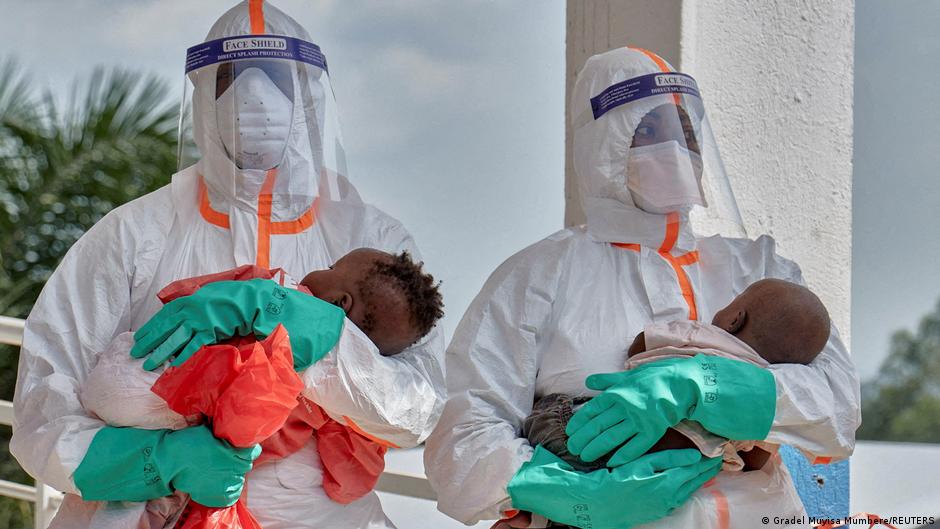
Children in the Democratic Republic of Congo’s current Ebola outbreak are facing delayed access to treatment, with those under five reported to have a mortality rate above 60%, according to a Doctors Without Borders commentary published in The Lancet.
The organisation says the gap is not solely explained by the disease. Paediatric medicines, dosing research and treatment guidance remain limited, while younger patients can be harder to diagnose, require closer monitoring and may need specially trained staff.
The EBO-PEP study of the experimental antiviral obeldesivir initially excluded children weighing less than 30 kilograms. Proposed protocols may extend participation to children above 20 kilograms, but those below that threshold may require intravenous remdesivir. Doctors Without Borders says a 10-day course of infusions is difficult to administer during an outbreak.
Children cannot be treated as smaller adults, clinicians say. Their metabolisms and responses to medicines differ, requiring separate dosing studies and child-friendly formulations. Similar delays have been reported in responses to mpox, HIV, tuberculosis and COVID-19.
Doctors Without Borders and other experts are calling for children and pregnant women to be included in clinical trials earlier, through parallel or sub-studies launched alongside adult research. The Global Accelerator for Pediatric Formulations network was established in 2020 with World Health Organization support, but access gaps remain.
The available material does not establish whether the proposed trial changes have been implemented, or how much of the reported child mortality reflects Ebola itself rather than treatment and access barriers.