Chelsea interim coach deflects Palmer form scrutiny amid managerial speculation
Calum McFarlane’s press conference remarks on Cole Palmer’s performance coincide with reports of player support for Xabi Alonso, highlighting ongoing governance challenges at the club.
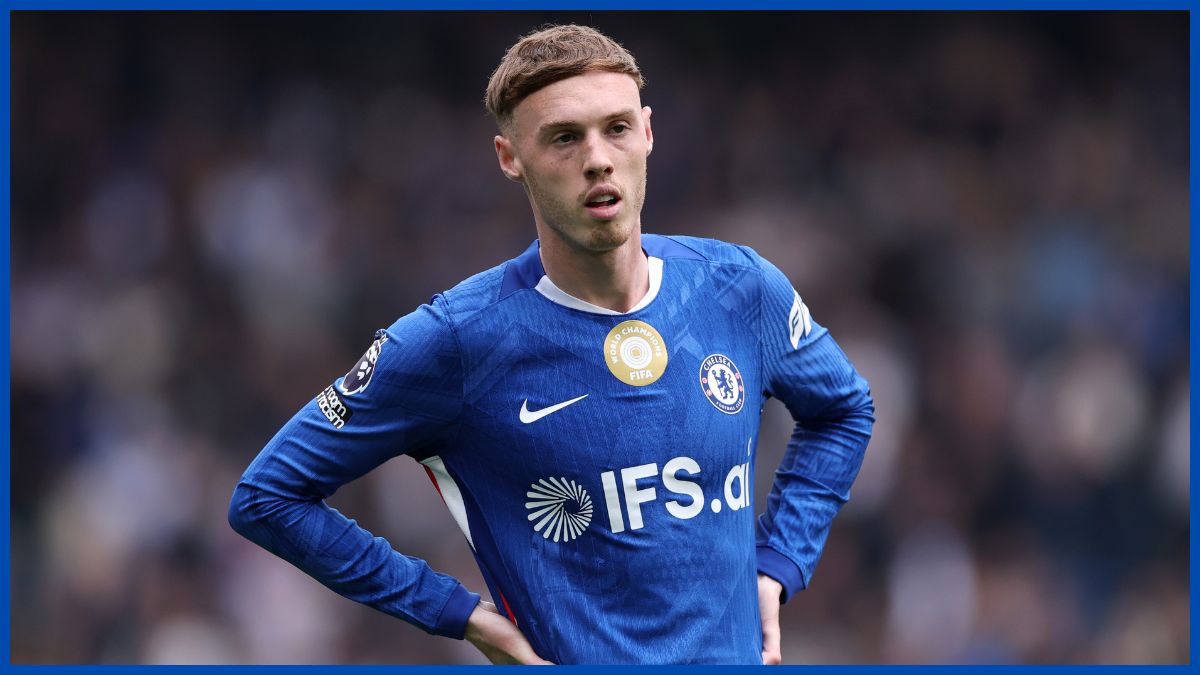
Chelsea interim coach Calum McFarlane addressed media inquiries regarding the recent performance of striker Cole Palmer, engaging in a pointed exchange with journalists during a scheduled press conference. When questioned about the attacker’s current form, McFarlane maintained that he had not characterised Palmer as being below his top level, instead attributing any perceived decline in output to injuries sustained during the season.
The interim coach emphasised that Palmer has delivered “some really good games” for the club, a statement made in response to persistent questioning from the press. The interaction was noted for its defensive nature, with McFarlane carefully avoiding direct confirmation of negative assessments regarding the player’s recent contributions, a tactic described by observers as a humorous but evasive dialogue.
Despite the interim coach’s positive framing, the source material indicates that Palmer’s performance this season has been viewed by some as average to poor. This discrepancy between the official narrative and external perceptions underscores the pressure on the interim leadership to manage public expectations while navigating a season that has seen significant scrutiny of key squad members.
The discussion on player form occurs against a backdrop of broader institutional uncertainty at Chelsea, particularly concerning the club’s future managerial direction. Reports suggest that the squad has expressed support for Xabi Alonso as the next permanent manager, a development that adds complexity to the current interim setup and the club’s long-term strategic planning.
As Chelsea’s sporting directors prepare for the upcoming transfer window, the club faces the challenge of retaining one of its major transfer successes while simultaneously managing internal dynamics. The combination of player sentiment regarding leadership and the performance of key attackers like Palmer presents a multifaceted issue for the club’s governance structure as it seeks stability and direction.