Champlain Hudson Power Express transmission line faces outages and drought concerns
The underground high-voltage direct-current line connecting Quebec to New York has been non-operational for most of July following two outages, though grid operators say planning safeguards remained intact during recent heatwaves.
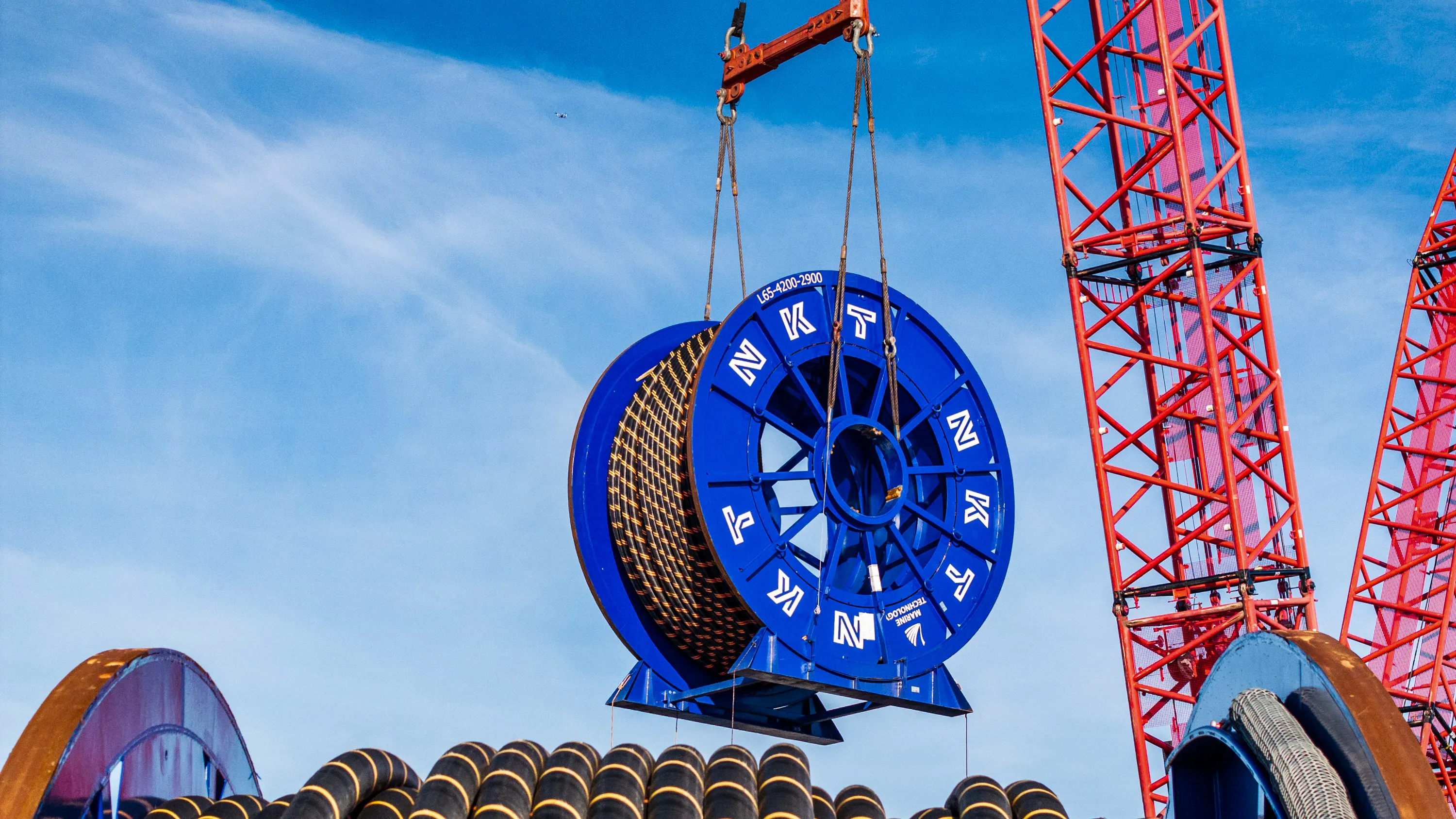
The Champlain Hudson Power Express (CHPE), a $6 billion underground high-voltage direct-current transmission line connecting Quebec to New York, has experienced two outages since its opening in May 2026. The line, which aims to deliver hydropower to New York City, has been down for most of July due to a damaged cable section on the US side, which has since been replaced. While the project is designed to reduce emissions and lower grid costs, its reliability is currently challenged by technical startup issues and prolonged drought conditions in Quebec that threaten the availability of the hydropower supply.
The first outage occurred on 1 July 2026 and was reportedly caused by a trip at a converter on the Canadian side of the border. A second outage began on 4 July 2026, and the line remained non-operational as of the morning of 22 July 2026. Officials traced the second issue to a damaged section of cable on the US side of the border, and the manufacturer of the line sent experts to investigate the cause of the damage.
Hydro-Québec spokesperson Lynn St-Laurent confirmed that the damaged portion of the cable has been removed and replaced. It is currently estimated that the remaining work, including necessary post-repair testing, will be completed by the weekend of July 2026. Normand Mousseau, a physics professor at Université de Montréal, noted that such startup challenges are not unusual for new infrastructure projects, pointing out that equipment often faces its first full stress tests only when integrated into the grid.
The New York Independent System Operator (NYISO) stated that grid planning did not assume CHPE would be available during the July heatwave, ensuring reliability despite the outages. Kevin Lanahan, a spokesperson for the NYISO, said their planning studies did not count on the project for summer supply, a core principle of reliability planning that avoids reliance on any single project. This cautious approach allowed the grid to perform reliably during the recent heatwave, which saw New York State import 52 gigawatt-hours of electricity from Canada on 3 July.
Beyond technical faults, the project faces environmental headwinds. The region has seen intense drought for the past three years, eating into the water reserves used to generate electricity in Quebec. This climate stress threatens the availability of the hydropower supply intended for the CHPE, even if the transmission infrastructure is fully operational. The line, which could provide up to 20% of New York City’s electricity demand, is owned by Transmission Developers, a company backed by Blackstone, and built in partnership with Hydro-Québec.