Chad’s digital health push: Solar kiosks bridge rural care gap
Telemedan’s expansion to 37 solar-powered units across 11 provinces signals a structural shift in how Chad addresses infrastructure deficits in its public health system.
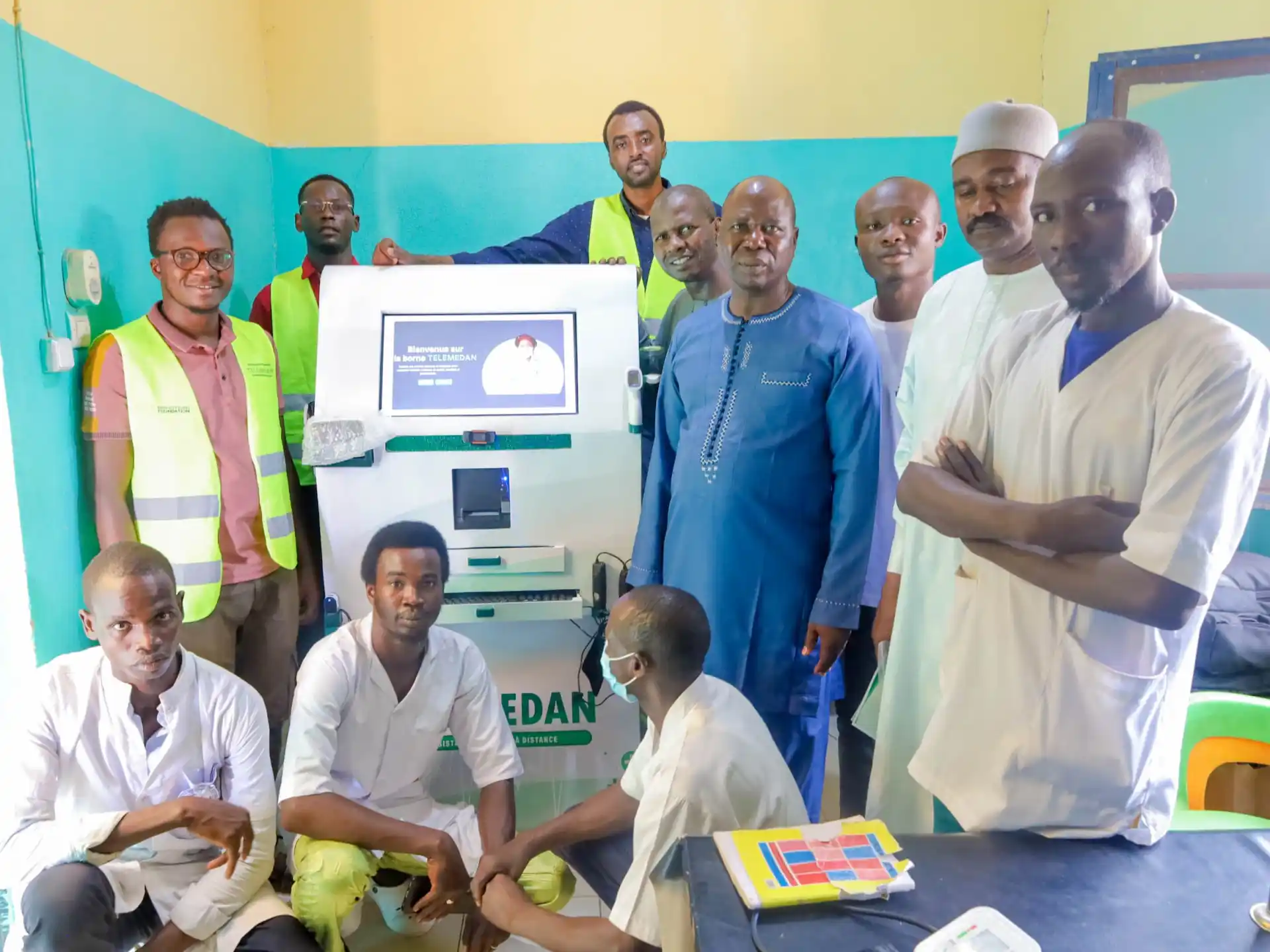
Chad’s Ministry of Public Health and Prevention is increasingly relying on digital infrastructure to mitigate the geographic concentration of medical specialists. The Telemedan initiative, launched in 2021 by Abakar Mahamat, has deployed 37 solar-powered telemedicine kiosks across 11 provinces. According to the initiative, these units have reached an estimated 143,000 people, offering a remote consultation model that circumvents the traditional barriers of distance and limited grid electricity.
The operational model is designed for environments with unreliable connectivity. Each kiosk, costing approximately $10,000, is sold to governments or partner organisations rather than individual patients. Local operators manage patient registration and basic measurements using equipment such as blood-pressure monitors and electrocardiogram machines. For patients without internet access, the system utilises Unstructured Supplementary Service Data (USSD) to facilitate appointment booking, while patient data is stored locally and synchronised when connectivity is restored.
Cost efficiency is a central pillar of the policy framework. Traditional medical journeys to larger towns can incur costs of $200 or more when transport and accommodation are included. In contrast, Telemedan consultations range from $2 to $15. This disparity aims to reduce the economic burden on rural households, allowing patients to access care without sacrificing essential household resources.
The initiative is also integrating artificial intelligence to assist in screening for conditions such as diabetic retinopathy. Telemedan maintains that this technology is intended to support healthcare professionals rather than replace them. However, the kiosk model has limitations; it cannot provide emergency treatment or perform all examinations, meaning patients requiring specialist care or laboratory tests must still access the broader health system.
This expansion aligns with Chad’s National Health Development Plan for 2022–2030, which identifies digital health as a key strategy for expanding access to care. The country established the National Telemedicine Programme in 2021 and launched the National Digital Health Programme in 2023. Youssouf Silay, an assistant to the coordinator of the National Digital Health Programme, noted that the Ministry of Health is currently developing a legal and regulatory framework to promote innovative solutions in areas with limited medical and energy infrastructure.
Sustainability remains a critical governance challenge. The long-term viability of the model depends on consistent equipment maintenance, reliable connectivity, and the availability of remote doctors. While Telemedan aims to reach one million people across sub-Saharan Africa, the transition from pilot project to sustainable layer of healthcare infrastructure requires continued institutional support and robust operational management.