Chad formally withdraws from International Criminal Court citing selectivity
The move makes Chad the fourth francophone African nation to leave the court in less than a year, coinciding with diplomatic pressure from the United States and regional instability.
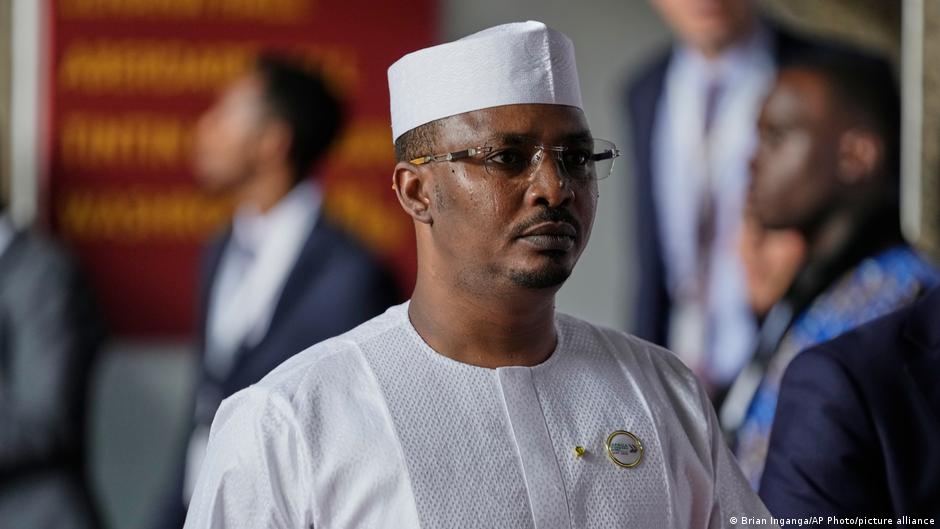
Chad’s Foreign Ministry has formally notified the United Nations Secretary-General of its intention to withdraw from the Rome Statute, effectively exiting the International Criminal Court (ICC). The announcement, issued on Monday, follows an in-depth review of the court’s functioning since its inception in 2002, with the government citing the institution’s “limited and uneven” effectiveness across different regions.
The ministry’s statement, signed by spokesperson Ibrahim Adam Mahamat, highlighted what it described as “egregious selectivity” in the court’s prosecutorial record. Officials noted that nine of the 13 cases initiated since 2002 have concerned African states, while only one of the seven individuals detained as a result of ICC investigations hailed from outside the continent. The remaining four cases involving other regions were described as having made no concrete progress.
Chad joins Burkina Faso, Mali, and Niger as the fourth francophone African nation to withdraw from the court in less than a year. These exits follow coordinated announcements by the military juntas governing those three countries last September. The Chadian government appealed to other African Union members to follow its example, asserting that national judicial systems and African judicial mechanisms are fully capable of delivering justice to victims with dignity.
The timing of the withdrawal coincides with recent diplomatic pressure from the United States. Last Thursday, Chad’s Foreign Ministry stated that US Assistant Secretary of State for African Affairs Frank Garcia Jr. had expressed concerns about the ICC’s functionality during talks in N'Djamena. The US government urged Chad to reconsider its commitment to the Rome Statute, a request the Chadian side indicated would be examined by responsible authorities.
This shift aligns with the broader foreign policy stance of the second Trump administration, which has been critical of the ICC and the United Nations. The court’s recent issuance of arrest warrants against Israeli Prime Minister Benjamin Netanyahu and his former defence minister has further strained relations between Washington and the institution. Chad’s decision also comes shortly after a vote to dismiss ICC chief prosecutor Karim Khan amid allegations of sexual misconduct.
While Chad maintains a nominally civilian government, political power remains concentrated within the Deby family, which has held control for more than 35 years. President Mahamat Idriss Deby, son of former leader Idriss Deby, won the 2024 presidential election amid disputes over the results and the subsequent imprisonment of his main challenger, Succes Masra. The country continues to face significant security challenges, including a decade-long insurgency in the north and an influx of refugees from Sudan’s civil war.
The United States, along with Russia and several other nations, has never ratified the Rome Statute. However, past US administrations had generally supported the court’s work, marking a distinct shift in policy under the current administration. Chad’s withdrawal underscores the growing fragmentation of international legal mechanisms in Africa and the increasing influence of geopolitical pressures on regional judicial commitments.