Ceuta Border Crackdown: Morocco Detains Nearly 300 Migrants Amidst Stalemate in Spanish Exclave
Spanish Interior Minister confirms irregular entrants will be denied legal status or transit to mainland Spain, while Moroccan authorities deploy tens of thousands of personnel to secure the northern frontier.
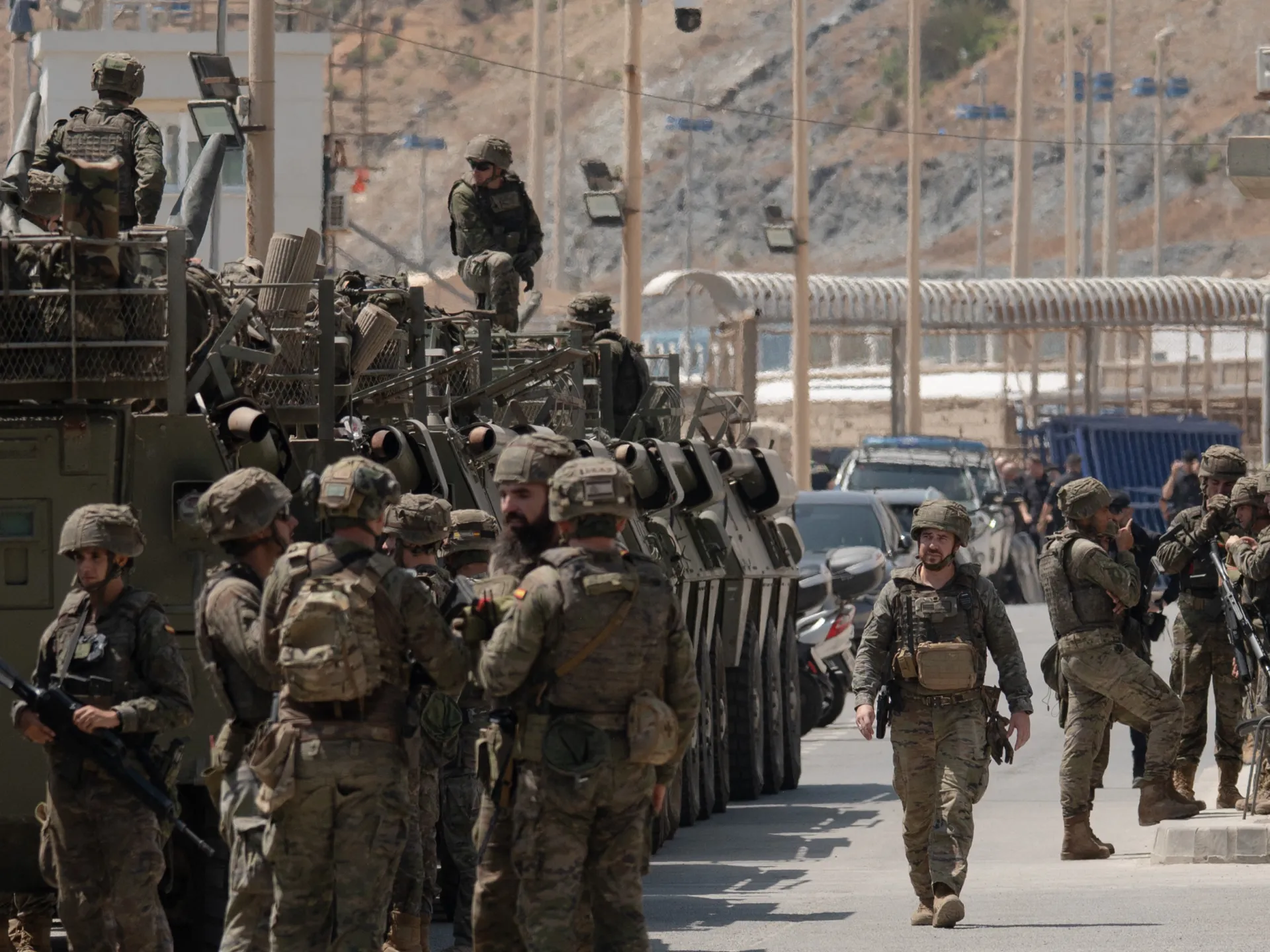
Moroccan security forces have arrested 294 migrants and 61 alleged facilitators this Saturday as they attempted to breach the border into the Spanish exclave of Ceuta by land and sea. The arrests, reported by Moroccan state broadcaster Medi 1 TV, target sub-Saharan African nationals and Moroccans accused of aiding the crossings, marking the latest escalation in border enforcement following a surge in migration attempts driven by misinformation and economic desperation.
The crackdown occurs just two weeks after a mass migration event involving over 72,000 people, which resulted in at least 90 deaths according to official figures, with human rights groups suggesting the toll may be significantly higher. That incident, precipitated by false social media posts claiming the border would open for Spain’s Assumption holiday, prompted both Madrid and Rabat to tighten security protocols and issue warnings against spreading unverified information regarding border access.
Approximately 5,000 to 8,000 migrants remain in Ceuta, living in precarious conditions on Trampolin beach and the city’s outskirts as local resources become overstretched. Protesters currently in the exclave have staged demonstrations, holding Spanish flags and banners demanding asylum and stating they do not wish to return to Morocco. One protester, Ayoub Elarroud from Tetouan, told Reuters that police are blocking access to the city centre, leaving migrants to endure cold and poor sanitation while awaiting a pathway to continental Europe.
Spanish authorities have maintained a firm stance on the status of those who entered irregularly. Interior Minister Fernando Grande-Marlaska stated earlier this week that migrants in this situation would not be permitted to stay in the exclave, travel to mainland Spain, or obtain legal status, with exceptions reserved only for rare cases involving extreme vulnerability. This policy position underscores the political difficulty Madrid faces in managing the humanitarian crisis while adhering to strict immigration controls.
In response to the ongoing pressure, a senior Moroccan diplomat indicated to the Associated Press that more than 20,000 security personnel are deployed daily along the border, a measure costing hundreds of millions of dollars. Thousands of migrants from across Africa travel to Morocco annually, seeking routes into Europe via Spanish exclaves like Ceuta and Melilla in pursuit of better economic opportunities, a trend that continues to strain bilateral relations and regional security infrastructure.