Ceremony marks settlement milestones as Australia nears 28 million population
A citizenship ceremony in Melbourne’s south-east offered a glimpse into the quiet dignity of new Australians, contrasting personal settlement with broader political debates on migration and housing.
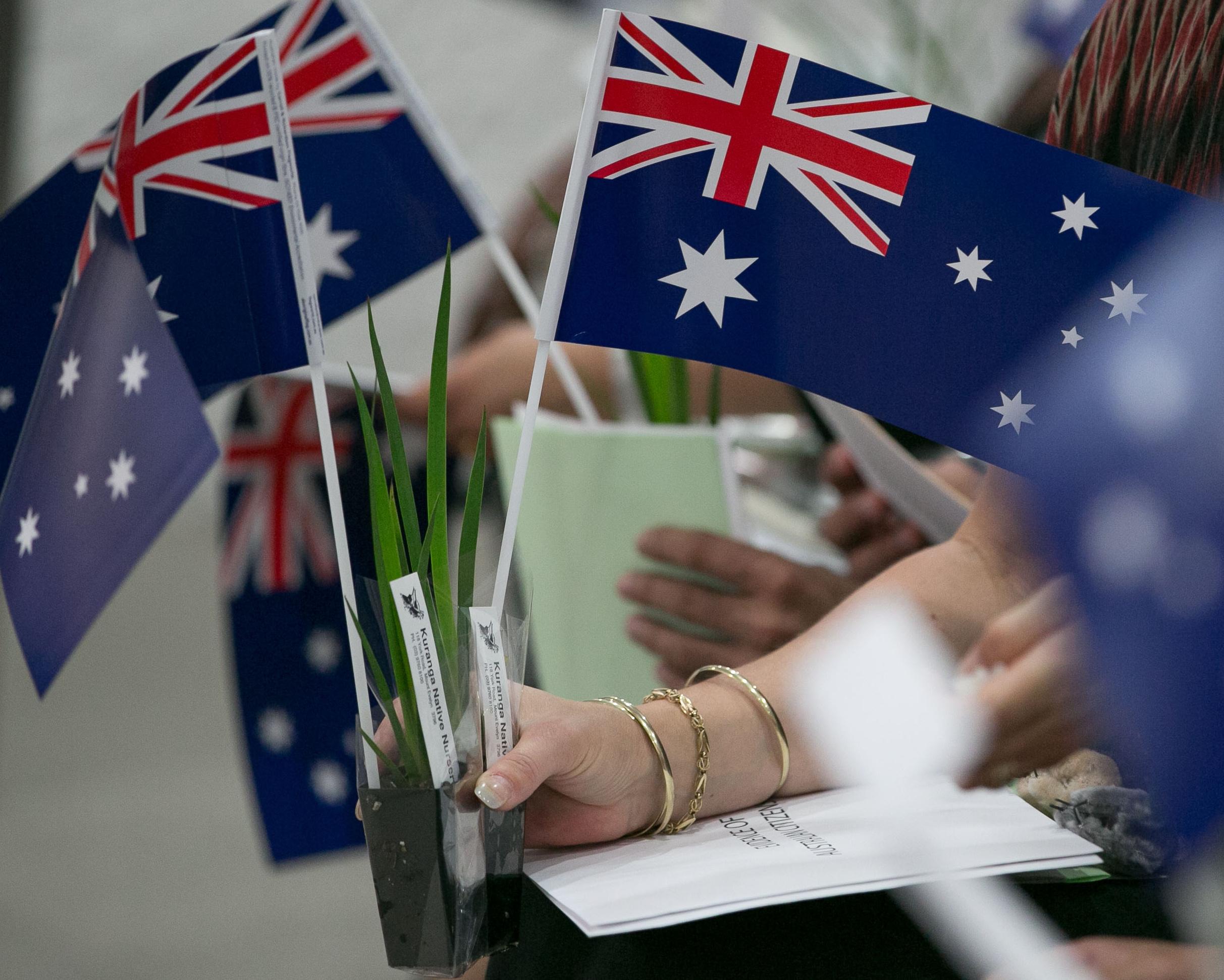
A few days before Australia’s population reached 28 million, a citizenship ceremony at Bunjil Place in Melbourne’s south-east recognised the completion of long settlement journeys for new Australians. The event, attended by the author Shadi Khan Saif, highlighted the years of administrative processing, employment adjustments, and personal resilience that precede formal naturalisation.
Bunjil Place, named after a creator figure in Wurundjeri tradition, served as the venue for the gathering. The foyer, described as shaped like a great eagle, was filled with morning light and a multilingual atmosphere featuring English, Hindi, Mandarin, Persian, Pashto, and Punjabi. The setting provided a backdrop for families, including an Afghan Hazara group, to mark the occasion.
Among those present was a neighbour and regular cricket mate who had spent more than four years navigating forms, interviews, and setbacks. His path to citizenship involved significant professional adjustment, working as a taxi driver by day and a forklift operator in a factory at night, after having been educated and settled in his home country.
The author observed an Afghan Hazara father speaking to his daughters in Hazaragi, translating fragments of the conversation that described Australia as a home where people mind their own business. The father, wearing a turquoise stone set in a silver ring, spoke carefully, reflecting the cautious optimism shared by many in the room.
Local politicians were present to take photographs with the new citizens, an interaction that carried personal significance beyond routine formality. For many attendees, particularly communities shaped by years of displacement, the ceremony represented safety and dignity rather than just opportunity.
The event underscored the tangible outcomes of settlement, including small businesses, school routines, and community integration. However, the author noted that outside the venue, the concept of belonging remains contested amidst political debates regarding migration, housing shortages, wages, and public services.
The ceremony did not create Australian identity but recognised lives already built. As attendees left with certificates and small flags, the contrast remained between the quiet pride of individual achievement and the sharper rhetoric surrounding who belongs in the nation.