Cepeda leads Colombian first round as security fears dominate election
Voters head to the polls on 31 May 2026 in a referendum on the legacy of former President Gustavo Petro, with security and displacement topping the national agenda.
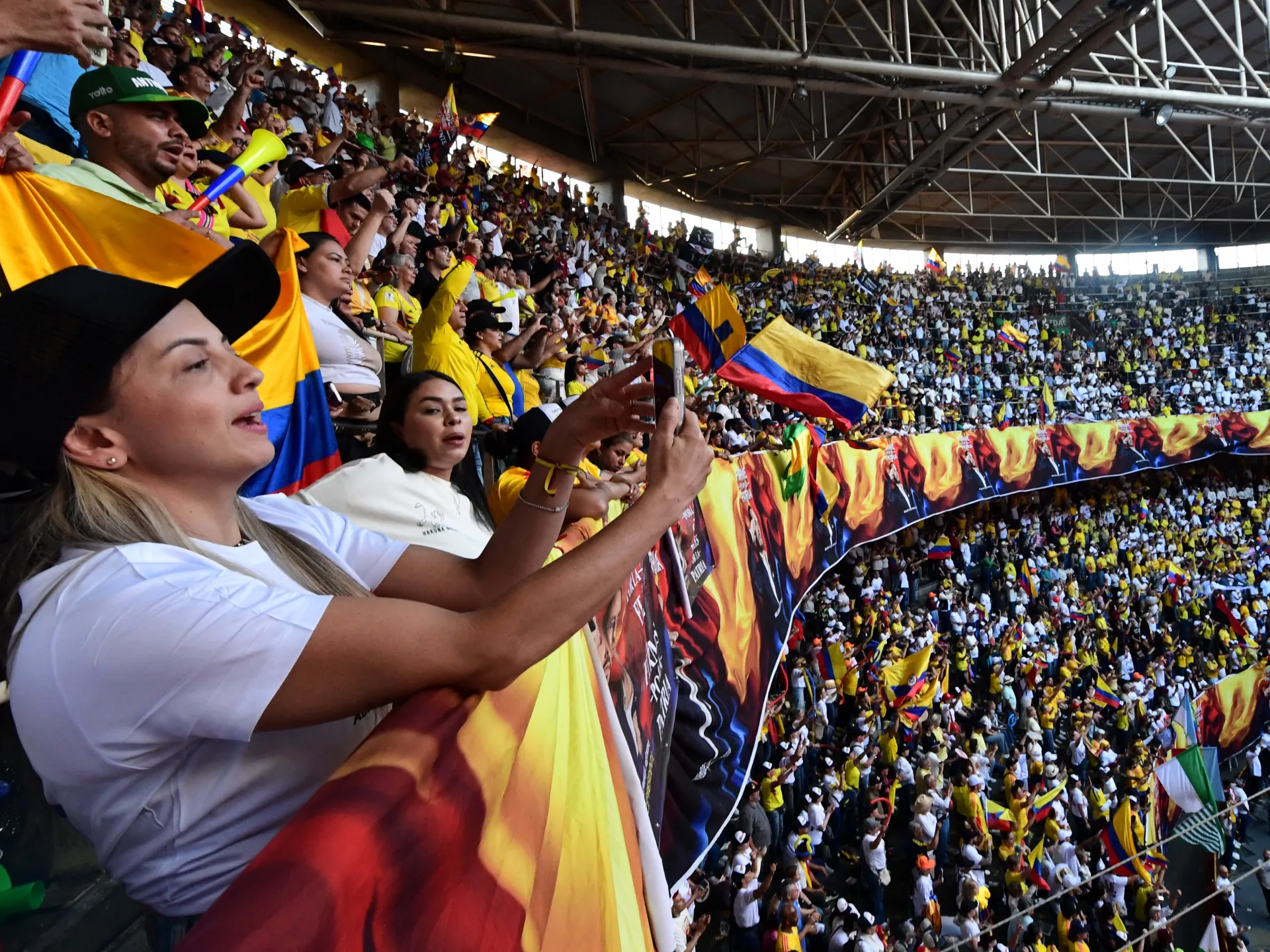
Colombian voters are heading to the polls on 31 May 2026 for the first round of the presidential election, a contest widely viewed as a referendum on the legacy of former President Gustavo Petro. Senator Ivan Cepeda, representing the left-wing Historic Pact coalition, currently leads the field with 33.4 percent support, narrowly ahead of right-wing candidates Abelardo de la Espriella at 30.9 percent and Paloma Valencia at 12.6 percent. The election marks a pivotal moment for the nation, determining whether to continue Petro’s leftist policies or restore political power to the right after his single-term tenure.
The campaign has been dominated by debates over security and the resolution of the country’s internal conflict. A poll from Invamer identified security as the primary concern for 37 percent of voters, followed by basic needs at 17 percent and unemployment at 16 percent. The urgency of these issues is underscored by data from the International Committee of the Red Cross, which reports that internal conflict forced 235,619 individuals from their homes in 2025, with an additional 87,069 caught in mass displacement events.
Cepeda is advocating for continuity with Petro’s “Total Peace” approach, which prioritises negotiation with armed groups and criminal networks over military force. In contrast, right-wing contenders favour a hardline militarised strategy. Abelardo de la Espriella, running on a far-right platform, has promised to end negotiations, bomb rebel camps, and resume aerial fumigation of coca crops. Paloma Valencia, representing a more moderate establishment right, has proposed expanding the police and armed forces while implementing pro-business economic policies.
The political landscape remains volatile, with violence casting a shadow over the campaign. Two political staffers from de la Espriella’s campaign were killed by gunmen on motorbikes earlier in May 2026. Additionally, former presidential candidate Miguel Uribe Turbay died two months after being shot in June 2025. These incidents highlight the persistent threat of political violence, with all frontrunners travelling with heavy security throughout the election cycle.
If no candidate secures more than 50 percent of the vote, a run-off will be held on 21 June 2026 between the top two finishers. Polling suggests Cepeda could struggle in a head-to-head contest against either right-wing rival, with undecided voters potentially accounting for up to 28 percent of the electorate. The outcome will determine the direction of Colombia’s security policy and its approach to a conflict that has defined its modern history.