CENTCOM releases footage of warship missile strikes on Iran as conflict marks 104th day
Video evidence released by US Central Command coincides with heightened tensions involving Israel and threats to the Strait of Hormuz.
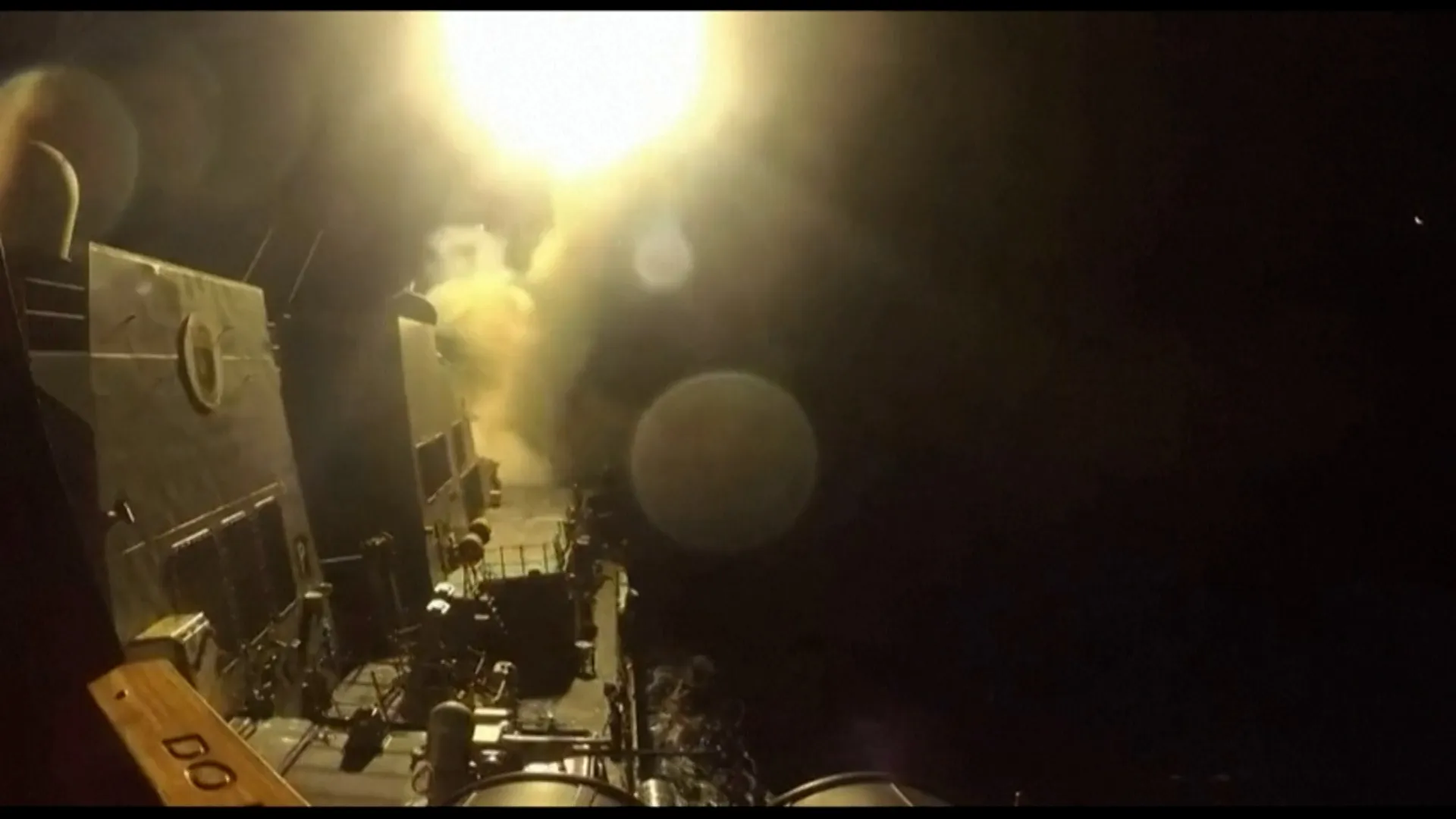
US Central Command has released video footage depicting a US warship firing missiles during strikes on Iranian targets, describing the operations as acts of self-defence. The release of the visual evidence coincides with the conflict between the United States and Iran entering its 104th day, a period marked by significant military escalation and retaliatory actions across the region.
The footage provided by CENTCOM shows the launch of missiles from a naval vessel, aligning with the military’s assertion that the strikes were conducted in response to "unwarranted and continued aggression." While the specific identity of the warship and the precise location of the targets within the video are not detailed in the release, the military maintains that the action was a necessary defensive measure.
This development follows a series of intense military engagements, including a previous bombing raid in which US forces deployed 49 Tomahawk missiles against Iranian targets. CENTCOM has previously conducted airstrikes on locations within Iran, including Qeshm Island, Bandar Abbas, and Sirik, further intensifying the direct confrontation between the two nations.
Regional tensions have been further complicated by Israeli military actions. Following Iranian missile attacks on Israeli targets, Israel conducted strikes on military installations in western and central Iran, with explosions reported in cities including Tehran, Tabriz, and Isfahan. These actions represent a broadening of the conflict beyond the bilateral US-Iran dynamic.
In response to the escalating hostilities, Iran’s Islamic Revolutionary Guard Corps has claimed to have carried out retaliatory strikes against US bases. Additionally, Iran’s Khatam al-Anbiya command announced the closure of the Strait of Hormuz to vessels, a move that threatens to disrupt critical international shipping routes and underscores the severity of the ongoing geopolitical crisis.