Celtic’s European exit exposes financial and tactical gaps
Manager Martin O’Neill accepts responsibility for a 5-4 aggregate defeat to LASK, a result that removes a significant financial windfall and complicates the club’s transfer strategy.
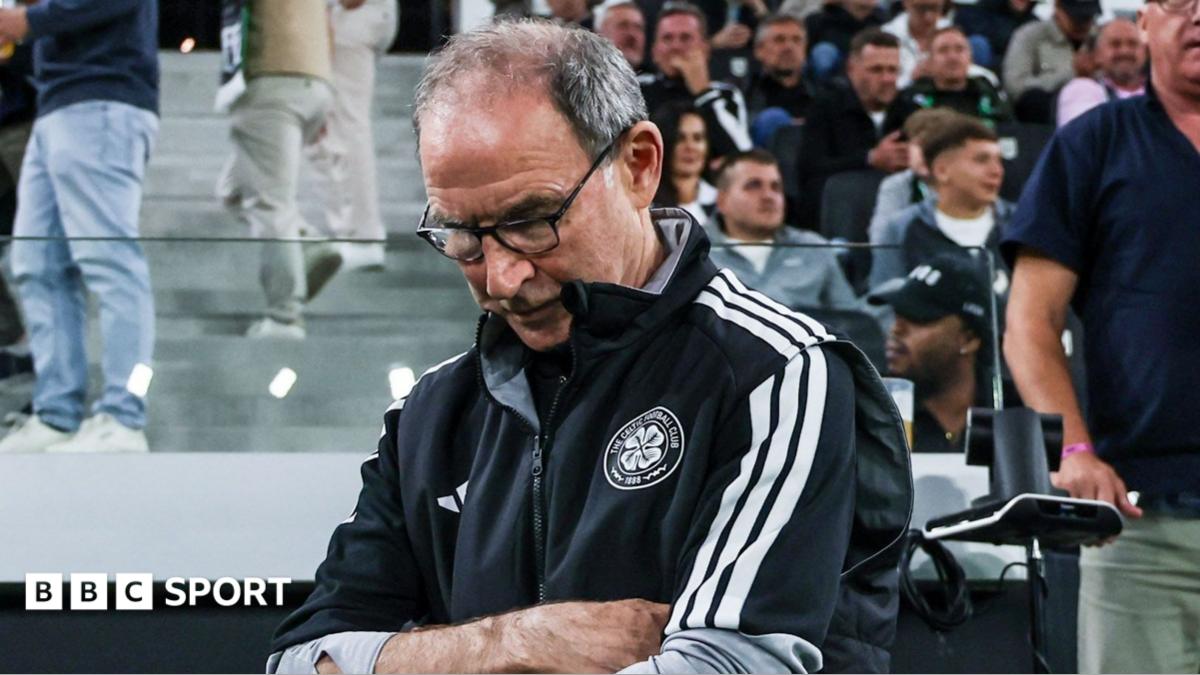
Celtic’s campaign in the Champions League play-offs has ended in a 5-4 aggregate defeat to LASK, a result that has immediate implications for the club’s financial planning and squad composition. Despite holding a four-goal lead after the first leg, the Scottish champions conceded five goals in the second half at the Raiffeisen Arena in Austria. The collapse has forced manager Martin O’Neill to accept responsibility for a performance he described as "majorly disappointing."
The loss is particularly significant given Celtic’s previous exit at this stage of the competition last year, which contributed to the departure of Brendan Rodgers. O’Neill, who took charge last term and guided the team to a league title and Scottish Cup win, acknowledged that the current squad is "a million miles from the finished article." He noted that while the team had started the season well, the defeat in Austria has created a challenging environment for the remainder of the transfer window.
The financial impact of the loss is a central concern for the club. O’Neill stated that qualification for the Champions League would have provided a "hefty windfall" that was expected to attract new players. Without this revenue stream, the club must now complete its transfer business with a reduced budget. The manager emphasised that the loss affects the club not only financially but also in terms of prestige, though he remains responsible for steering the team forward.
Captain Callum McGregor addressed the supporters directly, apologising for a performance he characterised as passive. McGregor admitted that the team "looked scared to go and win the game" and that they deserved the result. He suggested that the players had been fortunate in the first leg and that the second-half collapse in Austria left them with no excuses for the outcome.
Former Celtic manager Neil Lennon offered a tactical assessment, suggesting the team appeared "exhausted" and "fragile in duels." Lennon observed that LASK dominated both physically and tactically, battering Celtic throughout the match. Similarly, former captain Scott Brown noted that LASK’s front line was strong and that the Austrian side deserved to progress based on their performance.
The defeat marks a significant hurdle for the club, which must now recover from a European exit that has raised questions about the squad’s readiness. O’Neill has framed the situation as a test of character, asserting that the players must now demonstrate their resilience. The club faces the dual task of stabilising its on-field performance and managing the financial consequences of missing out on Champions League qualification.