Celtic party leaders call on Westminster to prepare for constitutional change
Plaid Cymru, SNP and Sinn Féin leaders have signed a Cardiff memorandum calling for processes that could enable independence or Irish reunification.
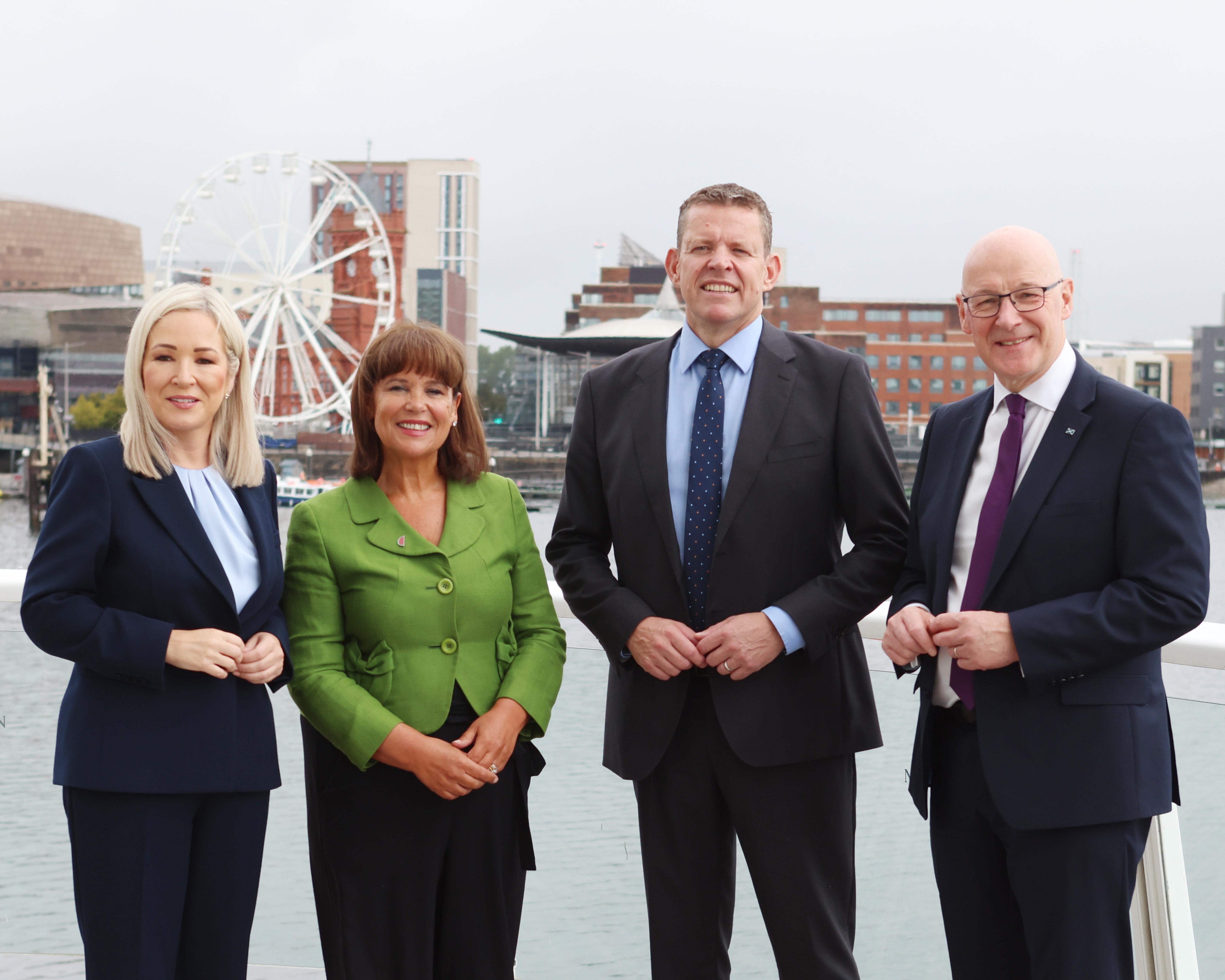
Leaders from Wales, Scotland and Northern Ireland have called on the British government to prepare for and facilitate constitutional change, including possible independence or Irish reunification processes.
Rhun ap Iorwerth, John Swinney, Michelle O’Neill and Mary Lou McDonald signed the memorandum in Cardiff, saying the political landscape across the islands was changing and that people in each jurisdiction should decide their own future.
The meeting was conducted by party leaders rather than governments acting formally. Discussions also covered economic, energy and international cooperation, placing the constitutional question alongside practical areas of cross-border policy.
The memorandum did not establish a referendum timetable or legal process. McDonald said she expected an Irish reunification poll by 2030, while the SNP wants a second Scottish independence referendum within five years. Plaid Cymru has ruled out holding a Welsh independence referendum during its first term, while seeking fuller devolution powers.
The UK government said its priority was economic security and easing pressure on household finances, rather than constitutional debates or further referendums. The Guardian report cited support for independence at 47% in Scotland, 36% in Northern Ireland and 32% in Wales, but did not identify the polling organisations, dates or methodologies.