Ceasefire terms breached in northern Gaza as diplomatic overtures continue in Ankara
The incident marks another violation of the October agreement, occurring outside designated military zones, even as regional tensions persist in Lebanon and Gaza.
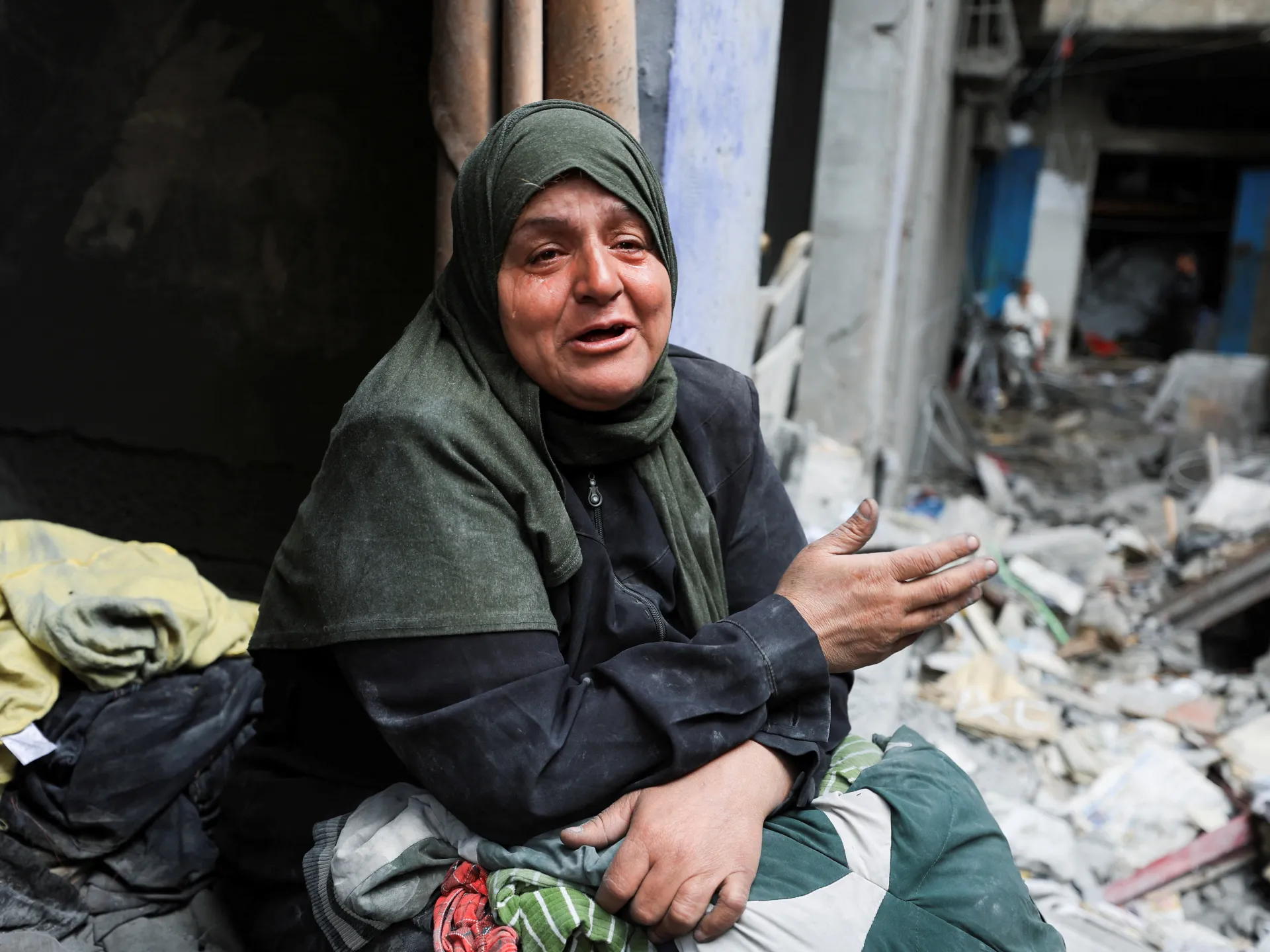
An Israeli drone strike targeted a motorcycle west of the Jabalia refugee camp in northern Gaza, resulting in the death of one Palestinian man and injuring several others. Eyad al-Motawwaq was confirmed dead by a medical source, while witnesses indicated the attack occurred outside the specific zones of Israeli military deployment designated under the October ceasefire agreement. This development underscores the continued erosion of the truce framework, which has been described by officials as a fragile arrangement now being actively undermined by ongoing military operations.
Simultaneously, diplomatic efforts to stabilise the situation advanced in Ankara, where Turkish Foreign Minister Hakan Fidan met with Muhammad Darwish, head of Hamas's advisory Shura Council. The discussions focused on peace initiatives and the critical delivery of humanitarian aid to the Strip. During the engagement, Fidan explicitly condemned Israel's expanding military presence and its obstruction of aid deliveries as unacceptable, reiterating Turkey's opposition to any measures that would force Palestinians to leave Gaza.
The broader humanitarian context remains dire, with Gaza's Health Ministry reporting at least four additional deaths and 15 injuries across the territory in the 48 hours preceding the strike. These figures contribute to a grim tally since the war began in October 2023, which has seen over 72,736 deaths and more than 172,000 injuries. Approximately 90 per cent of civilian infrastructure has been destroyed, and nearly the entire population of two million people remains displaced.
Despite the October agreement, Israel currently occupies about 60 per cent of Gaza's territory, an area demarcated by a buffer zone known as the yellow line. Truce talks between Israel and Hamas have stalled, with senior Israeli officials pressing for a return to hostilities due to Hamas's refusal to surrender weapons. This impasse was highlighted earlier in the week when an Israeli air strike killed Azzam al-Hayya, the son of Hamas negotiator Khalil al-Hayya, in the Shati Camp area.
Regional instability continues to complicate the geopolitical landscape, with violence persisting in southern Lebanon. The Lebanese health ministry reported that over 120 people were killed in the region in the last week alone, bringing the total death toll since the invasion began in March to more than 2,795. Nearly 500 of these fatalities occurred after the ceasefire was announced, indicating that the cessation of hostilities has not halted the broader conflict.
The juxtaposition of lethal military action in Gaza and high-level diplomatic negotiations in Ankara illustrates the fragmented nature of the current crisis. While Turkish officials seek to secure peace and aid, the reality on the ground involves continued violations of agreed-upon boundaries and a severe humanitarian emergency that threatens to overwhelm local capacities.