Ceasefire stability tested as US and Iran clash in Strait of Hormuz
Both nations claim to have been targeted first in an exchange of fire that saw Brent crude futures surge by up to 7.5 per cent.
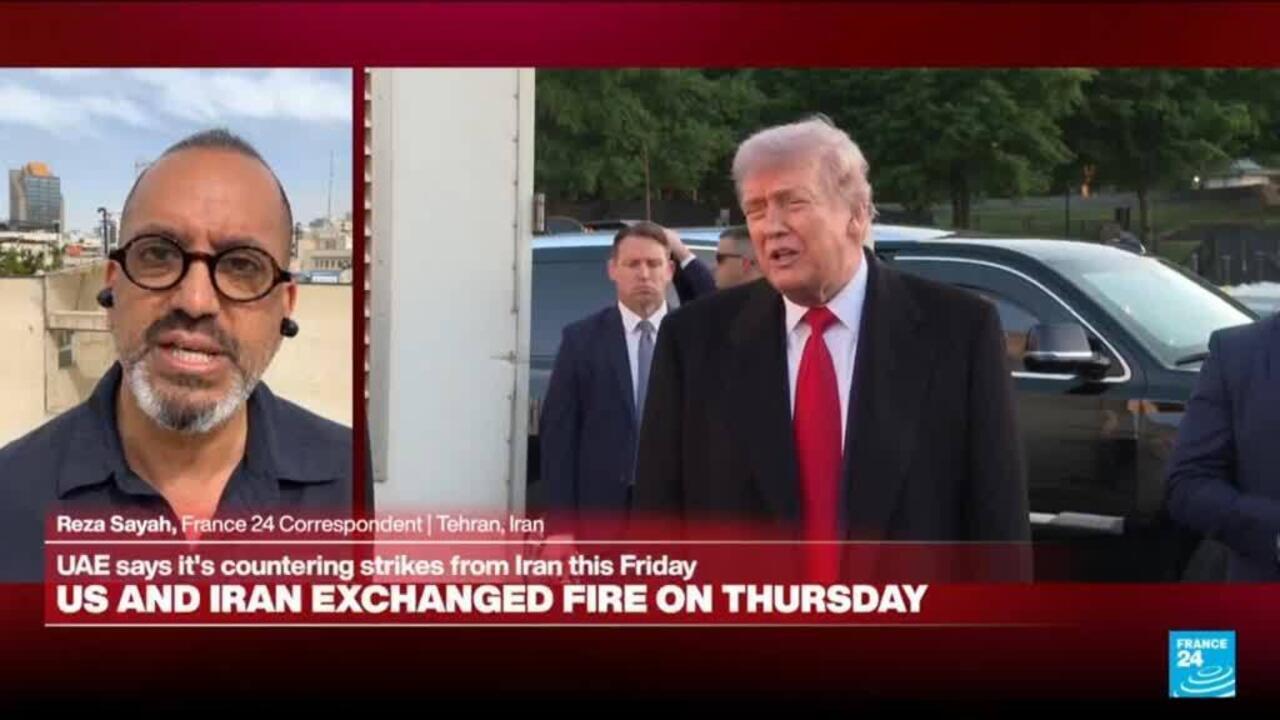
The ceasefire formally announced on 7 April has faced its most significant test to date following an exchange of fire between United States and Iranian forces in the Strait of Hormuz late on Thursday night. The incident, occurring on 8 May, has left the status of the truce in the critical energy conduit under immediate scrutiny as global markets reacted with volatility.
President Donald Trump addressed the confrontation directly, asserting that the agreement with Tehran remains fully in effect despite the hostilities. He characterised the engagement as Iran trifling with the United States, citing a disregard for the established terms of the peace deal. The White House stated that American forces destroyed multiple small boats during the confrontation, though independent verification of this claim remains pending.
Tensions were exacerbated by mutually exclusive narratives regarding the initiation of the conflict. Both the United States and Iran provided conflicting accounts of the event, each insisting they were the party targeted first. This lack of consensus on the precise timing and nature of the initial engagement underscores the deep mistrust that continues to define relations between the two nations in the region.
The immediate economic fallout highlighted the fragility of the current security arrangement. Brent crude futures surged by up to 7.5 per cent following the exchange of fire, reflecting investor anxiety over potential supply disruptions in the waterway. As of 03:00 GMT, the international benchmark price for oil stood at $101.12 per barrel, having dipped slightly from the day's high of $103.70 before the full extent of the market reaction was realised.
While President Trump maintained that the truce is active, the incident has raised serious questions about its long-term durability. The surge in oil prices suggests that international markets are already pricing in a heightened risk of instability, regardless of official diplomatic assurances. The conflicting national accounts serve as a reminder that the political will to uphold the ceasefire may be as volatile as the energy markets it is meant to protect.
The Strait of Hormuz remains a focal point of geopolitical tension, with the potential for further escalation looming. As both sides continue to issue statements that contradict one another, the window for diplomatic de-escalation narrows. The situation remains fluid, with the international community watching closely to see if the ceasefire can withstand the pressure of renewed hostilities.