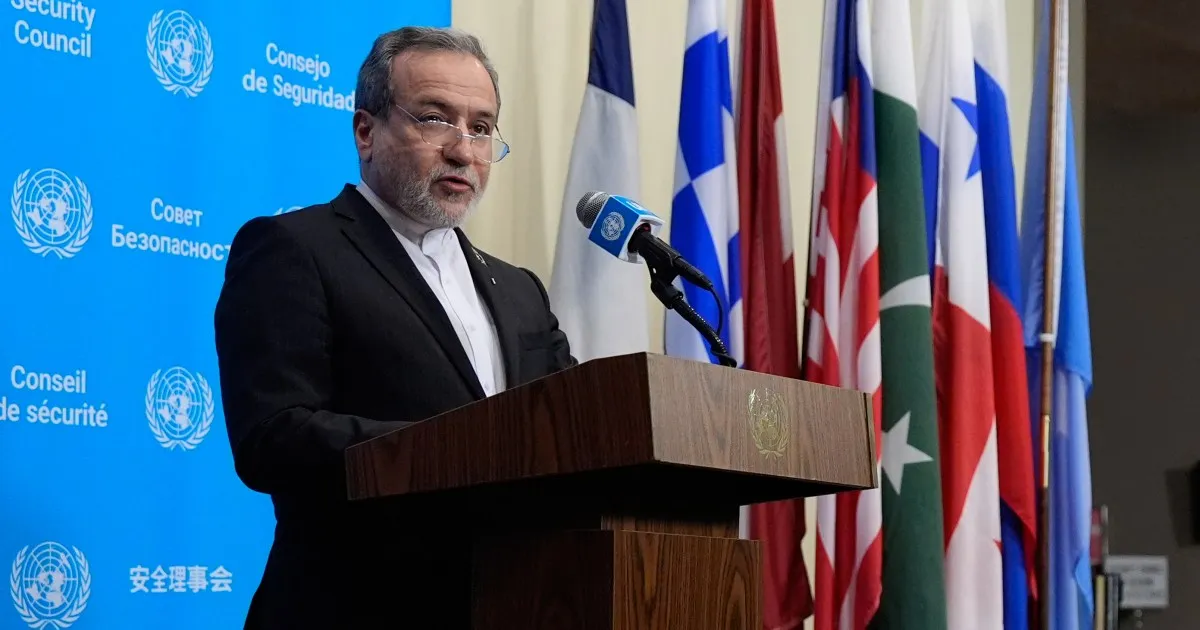
Ceasefire Holds as Iran Warns US Over Tankers Amid Lebanon Airstrikes
The Islamic Revolutionary Guard Corps has explicitly cautioned the United States against targeting tankers, while Israeli operations in Lebanon have resulted in 24 reported deaths as of 10 May 2026.
A ceasefire between the United States and Iran remains in effect as of 10 May 2026, even as diplomatic and military frictions continue to escalate across the region. Despite the holding truce, Tehran has issued a direct warning to Washington, cautioning the United States against launching attacks on tankers. This statement from the Islamic Revolutionary Guard Corps (IRGC) underscores ongoing concerns regarding maritime security and the potential for renewed conflict involving critical supply routes.
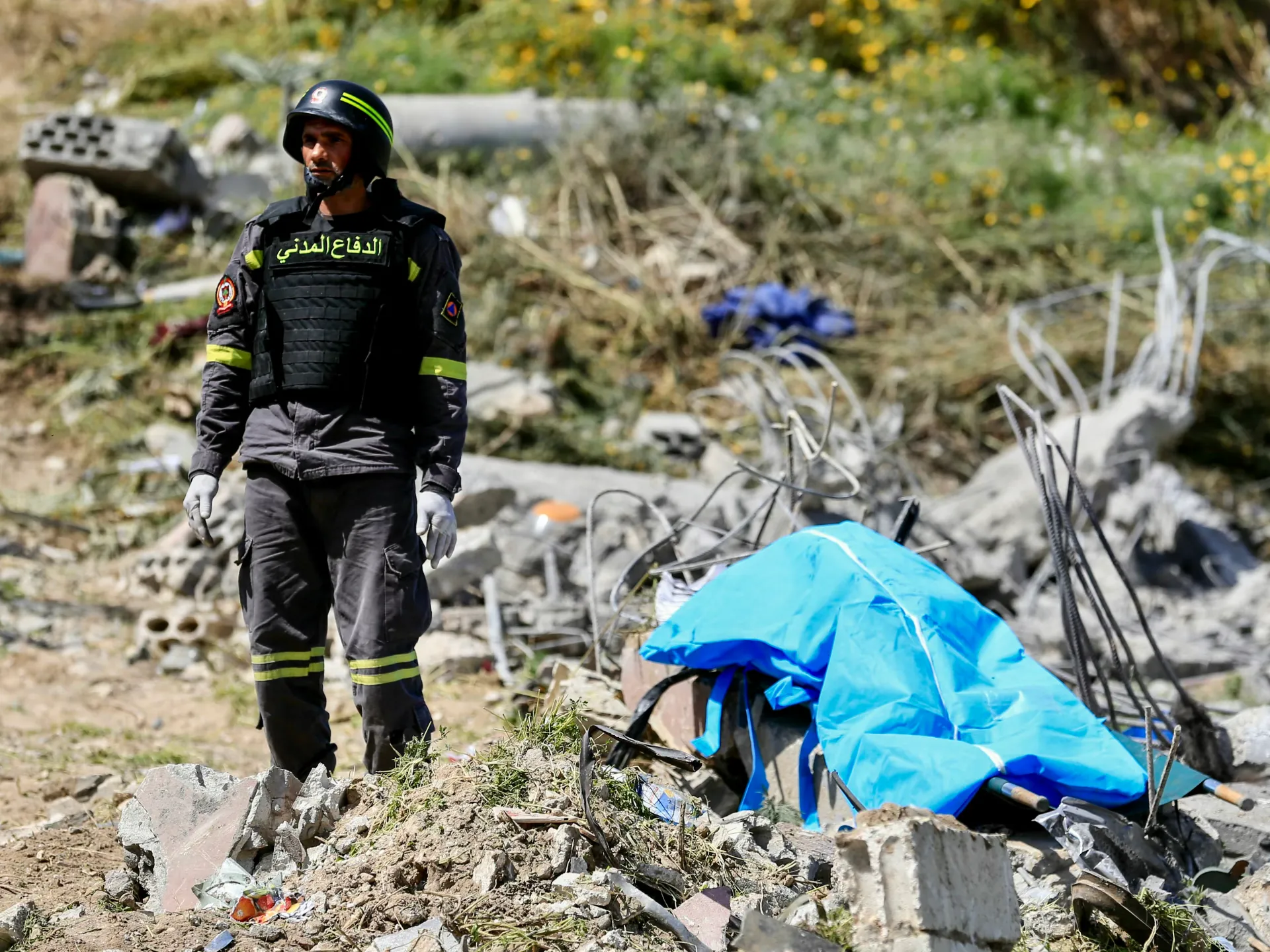
Concurrent with these developments, Israeli forces have conducted airstrikes in Lebanon, an operation that has reportedly resulted in the deaths of 24 people. While the specific locations of these strikes and the identity of the targeted armed groups remain unconfirmed in the available reporting, the casualty figure highlights the immediate human cost of the ongoing hostilities. The scale and precise targets of the bombings have not been detailed by the sources currently tracking the situation.
The persistence of the US-Iran ceasefire suggests a deliberate effort to maintain a strategic buffer despite these provocative actions. However, the IRGC's explicit warning against tanker attacks indicates that the underlying security architecture remains fragile. This stated position by Tehran serves as a clear signal of intent, though the actual implementation of such attacks or the subsequent response from Washington remains unconfirmed at this stage.
Broader regional security tensions continue to define the geopolitical landscape, with the US, Iran, and Israel operating within a complex web of mutual suspicion. While the ceasefire provides a temporary framework for stability, the specific duration of this arrangement is not defined in the current source material. The lack of a defined timeline leaves the status of the truce dependent on future diplomatic developments and the escalation or de-escalation of current military posturing.
Unrelated to the immediate Iran-Israel-Lebanon crisis, other significant events are occurring concurrently in the international sphere. A confirmed state visit by King Charles to the United States is proceeding as planned, aimed at strengthening bilateral relations. Simultaneously, armed groups have launched attacks on military positions in Mali, targeting locations including Bamako and Gao. These separate developments illustrate the multifaceted nature of global security challenges, though they do not directly inform the specific dynamics of the Middle East conflict.
The reporting on the Lebanon airstrikes cautions that the figure of 24 deaths should be treated as unverified until confirmed by independent local sources or official statements from Israeli authorities. Similarly, the warning from the IRGC represents a stated policy position rather than a confirmed operational event. As such, the full scope of the threat to tankers and the extent of the violence in Lebanon remain subjects of ongoing verification and analysis.