Ceasefire Fractures as US Strikes Iran and Israel Intensifies Lebanon Offensive
Ninety days into the US-Iran standoff, a fragile ceasefire has been disrupted by American strikes on Iranian coastal targets and immediate retaliation against bases in Kuwait, compounding regional instability as Israel launches over 120 airstrikes in Lebanon.
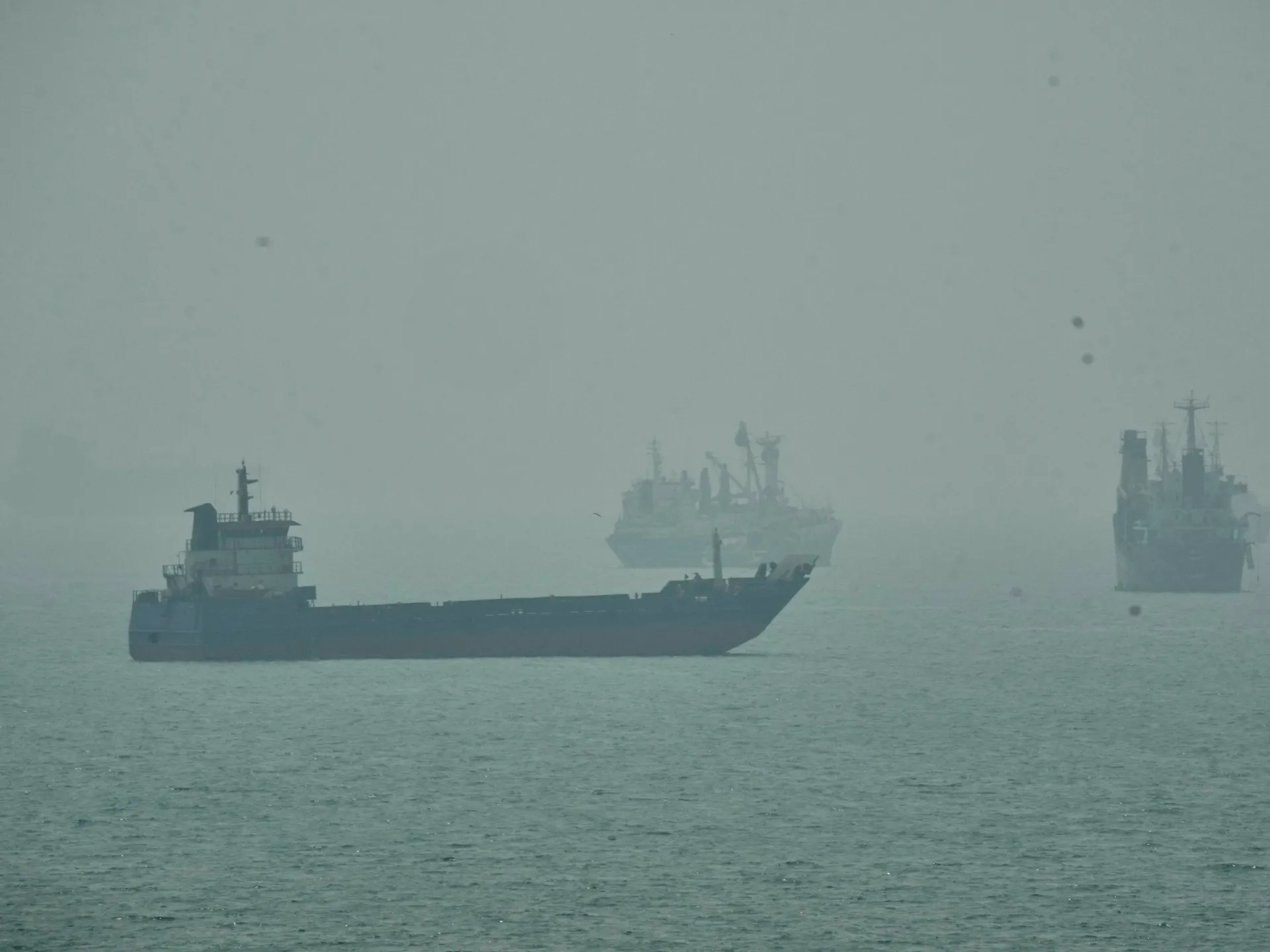
Ninety days into the conflict and ceasefire standoff between the United States and Iran, both Tehran and Washington continue to assert that time is on their side, each claiming the other requires a deal more urgently. Pressure is mounting on the Trump administration due to soaring energy prices and approaching midterm elections, while Iran faces significant oil revenue losses as tankers remain backed up in port. Reports had suggested a temporary agreement to reopen the Strait of Hormuz was imminent, but diplomatic momentum was disrupted when US forces struck Iran’s southern coast.
United States Central Command stated the strikes were conducted in self-defence against mine-laying boats and drone launch sites. The military action occurred as Iranian negotiators arrived in Doha for high-stakes talks aimed at extending the truce that began on 8 April 2026. Tehran threatened retaliation, and within hours, US bases in Kuwait were targeted by Iranian forces. Despite the escalation, talks over a wider deal continue, though the military confrontation has complicated the path to a lasting resolution.
Concurrent with the Middle East tensions, Prime Minister Benjamin Netanyahu announced that Israeli operations in Lebanon would intensify despite a supposed truce. More than 120 airstrikes were launched in a single day, with Beirut hit again for the first time in weeks. The United Nations has described the scale of destruction resulting from these operations as horrific, marking a significant deterioration in the security situation along the border.
Political unrest also erupted in Belgrade following the deadly collapse of a train station canopy, which killed 16 people. Mass anti-government protests have taken place in the capital, with demonstrators blaming corruption and opaque Chinese-backed infrastructure deals for the tragedy. This domestic turmoil contrasts sharply with celebrations in Beijing, where Serbian President Aleksandar Vučić received China’s Friendship Medal alongside fresh Chinese investment worth a billion euros.
Meanwhile, Western Europe is enduring a record-breaking May heatwave. In Paris, residents have been seen swimming in the Seine and Canal Saint-Martin despite police fines for entering the water. In a separate political development, Peter Murrell, former chief executive of the Scottish National Party and ex-husband of Nicola Sturgeon, pleaded guilty to embezzling party funds. Police cited a lavish lifestyle he could not afford as part of the justification for the charges.