Ceasefire fractures as Israel and Iran exchange strikes amid market volatility
Brent crude prices surge past $97 a barrel as Washington and Tehran negotiate a truce extension, while US President Donald Trump asserts control over Israeli military responses.
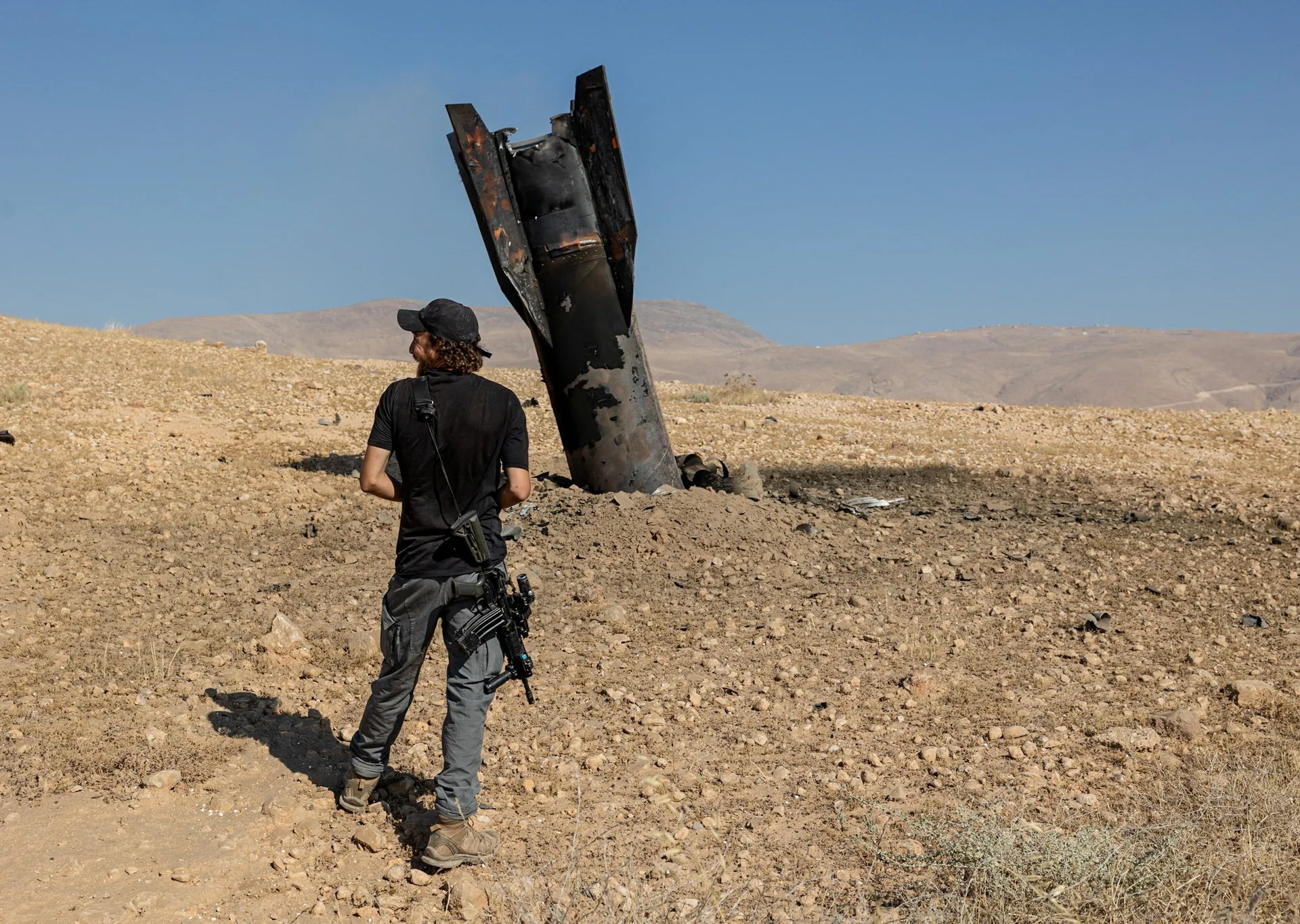
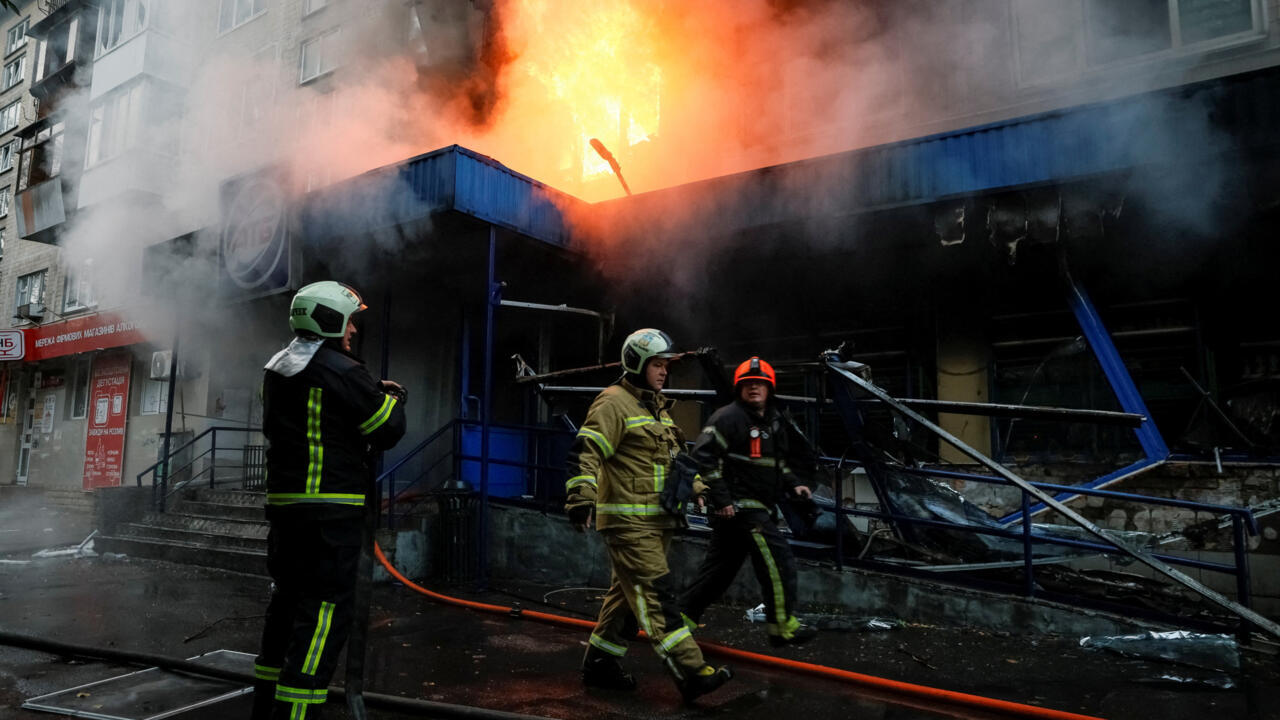
A fragile ceasefire established in early April 2026 has effectively collapsed following a direct military exchange between Israel and Iran, raising immediate concerns of a return to full-scale regional conflict. The escalation began on Sunday when Iranian forces launched a barrage of missiles at northern Israel, an attack Israel attributed to Hezbollah positions in the southern suburbs of Beirut. In retaliation, Israeli forces conducted overnight strikes against radar sites across Iran and a petrochemical complex in Mahshahr, with explosions subsequently reported in Tehran, Tabriz, and Isfahan.
Iran’s Islamic Revolutionary Guard Corps (IRGC) confirmed early on Monday that it had launched counter-strikes against Israel’s Nevatim and Tel Nof airbases. The Israeli military detected a new barrage of missiles from Iran shortly after its initial operations. The conflict has also drawn in Yemen’s Houthi rebels, who fired a missile at Israel and announced a ban on Israeli maritime navigation in the Red Sea, further complicating the security landscape.
The military actions have had an immediate impact on global energy markets. Brent crude prices jumped above $97 a barrel as Washington and Tehran engage in discussions aimed at extending the ceasefire and reopening the Strait of Hormuz. The waterway had been blocked following joint US-Israel attacks on Iranian territory in late February, and the current volatility underscores the economic stakes of the diplomatic negotiations.
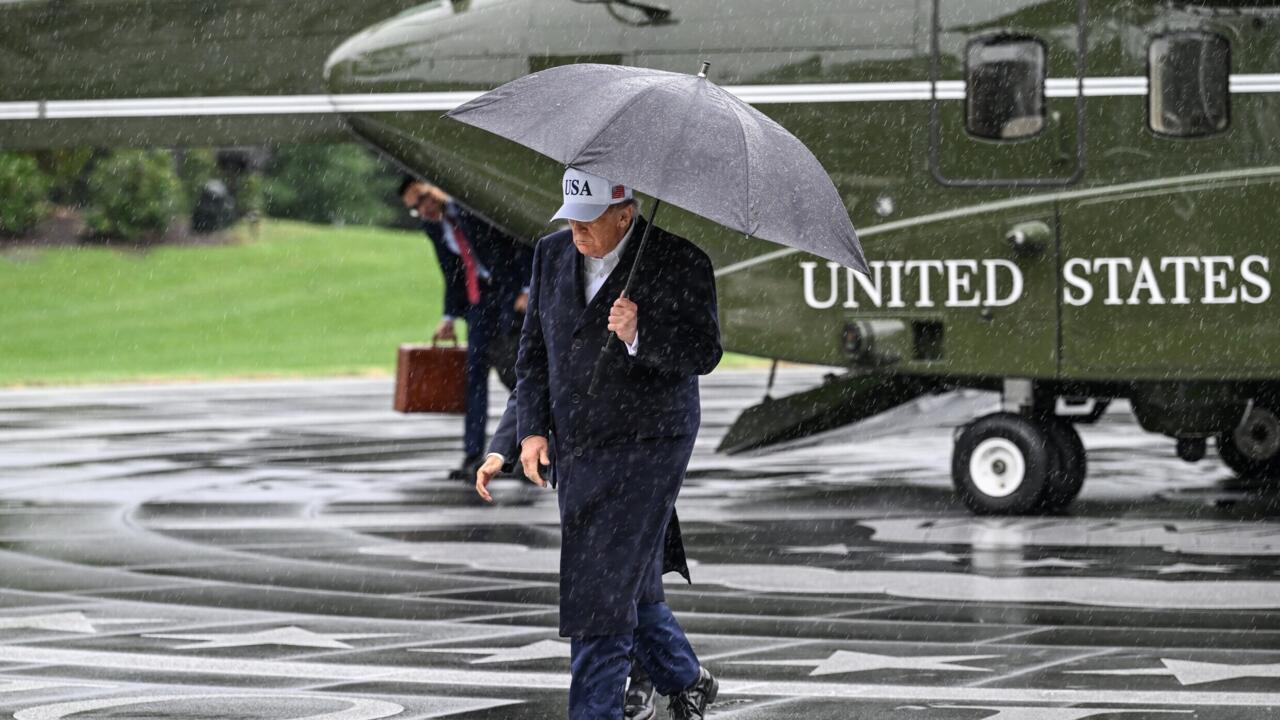
US President Donald Trump has sought to manage the escalation, reportedly speaking with Israeli Prime Minister Benjamin Netanyahu on Sunday night to urge restraint. In interviews with the Financial Times and Fox News, Trump stated he had instructed Netanyahu not to retaliate against Iran and asserted that he controls the decision-making process regarding the conflict. Despite these efforts, far-right Israeli National Security Minister Itamar Ben-Gvir posted on X that “Tehran must burn,” highlighting internal political pressures within Israel.
Diplomatic channels remain active despite the violence. Iranian Foreign Minister Abbas Araghchi held discussions with counterparts in Britain, France, Turkey, Qatar, and Pakistan on Sunday regarding the ceasefire violations. Meanwhile, Netanyahu is expected to convene a security cabinet meeting at 11am local time to address the developing situation, as the region braces for potential further instability.