Ceasefire fractures as Iran and Israel exchange fire in first direct bombardment since April
The fragile truce brokered in April has been breached following Israeli airstrikes in Beirut and a subsequent Iranian missile launch, complicating diplomatic efforts as Washington refuses to lift sanctions without a formal peace agreement.
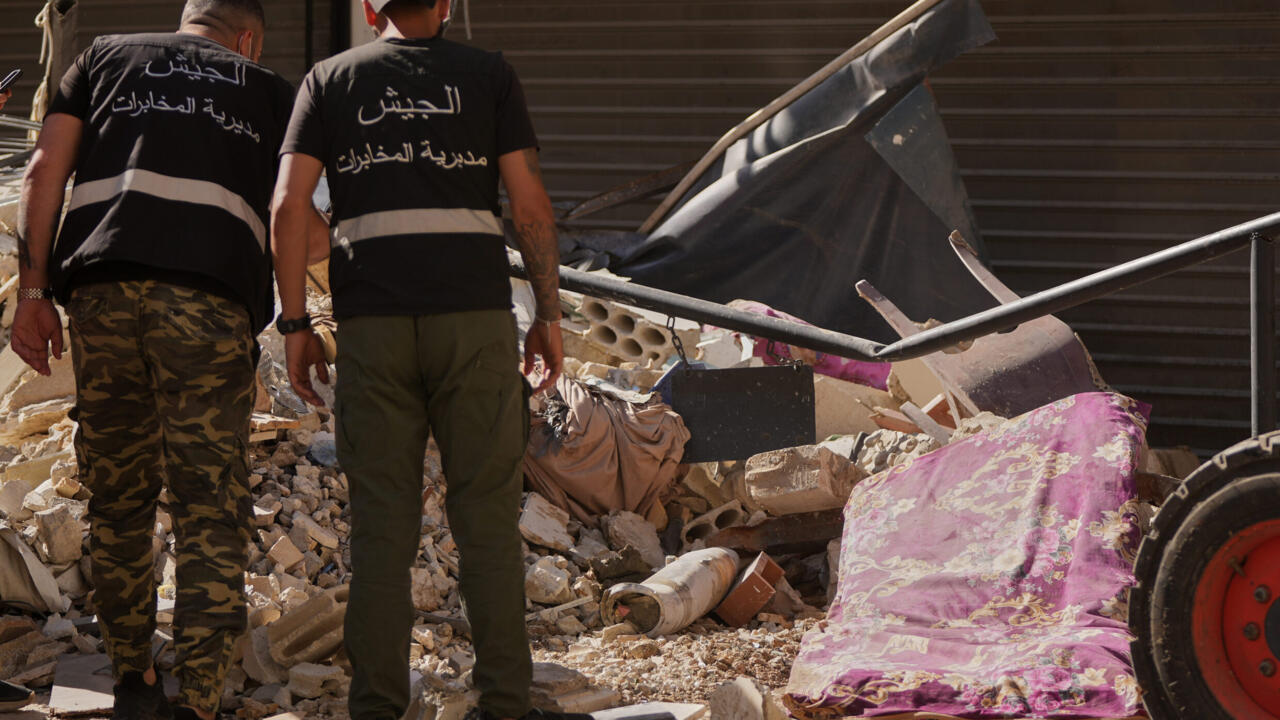
Israel reported intercepting Iranian ballistic missiles on Sunday, marking the first direct bombardment between the two nations since a fragile ceasefire took effect in April. The attack was launched shortly after Israeli airstrikes targeted buildings in Beirut’s southern suburbs, known as Dahiyeh, killing two people and wounding 20. Iran’s Revolutionary Guards identified the Ramat David air base as the target of the missiles, describing the strike as a warning of a broader response to US and Israeli targets if aggressions continue.
The escalation was triggered by Israeli military operations in Lebanon, which Prime Minister Benjamin Netanyahu and Defence Minister Israel Katz stated were in response to cross-border fire from Hezbollah. The Israeli military struck what it described as a militant command centre in the Dahiyeh district, a stronghold of the Iran-backed group. In retaliation, Hezbollah confirmed launching a drone at the Dovev Barracks, an Israeli army post in northern Israel, citing the violation of the ceasefire and attacks on villages in southern Lebanon.
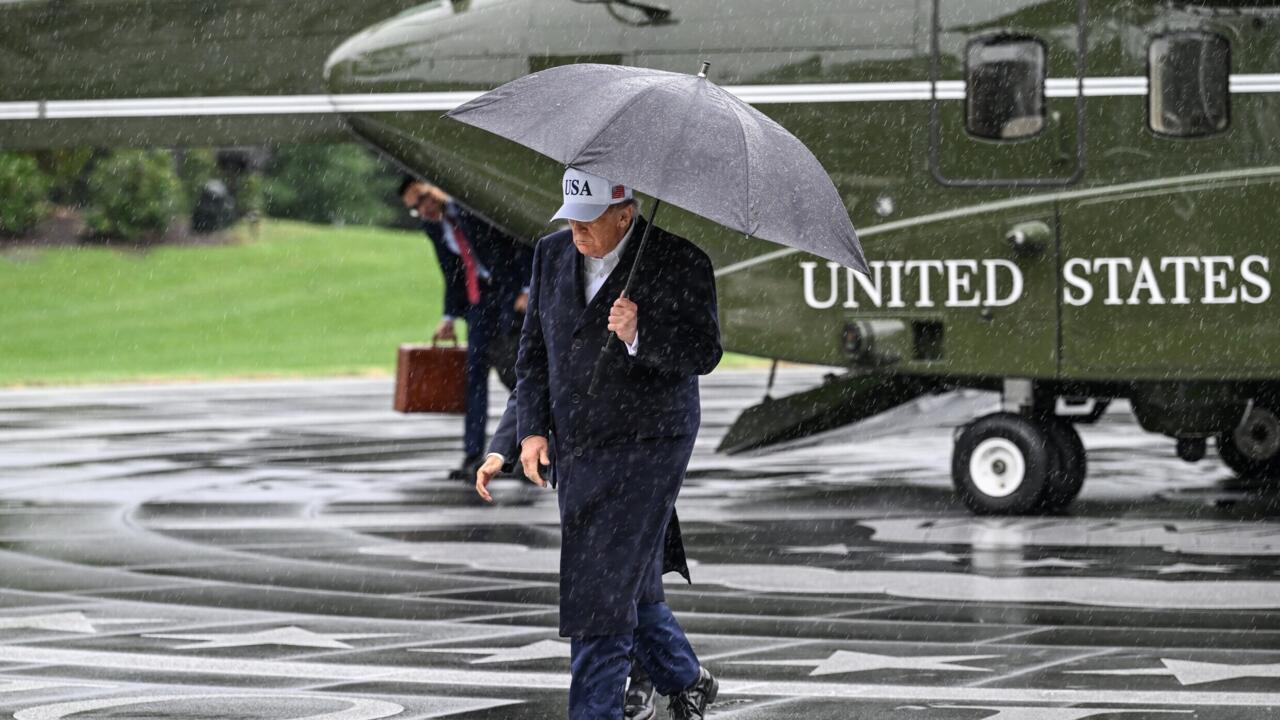
US President Donald Trump reinforced a hardline diplomatic stance during an interview broadcast on Sunday, stating he would not unfreeze Iranian assets or lift sanctions before a peace agreement is reached. When asked if he would consider such measures as part of a potential deal, Trump replied, “No,” adding that any concessions would come only after Tehran behaves and engages in good faith. This position complicates ongoing mediation efforts, particularly as Iran has demanded the unblocking of billions in frozen assets.
Tensions have also heightened within the United Nations, where the US is lobbying the International Atomic Energy Agency’s Board of Governors to back a draft resolution. The text orders Iran to provide precise information on the fate of its bombed nuclear sites and enriched uranium stocks, a move that risks further straining talks between Washington and Tehran. The resolution comes amid diplomatic friction, including a row over visas that forced Iran’s World Cup football squad plane to land in Tijuana, Mexico.
The region has seen additional violence, including a shooting rampage in central Israel by a Palestinian man with Israeli citizenship, which left one person dead and five wounded before the attacker was killed by police. Meanwhile, mourners gathered in Beirut for the funeral of Lebanese soldiers killed in a separate Israeli strike on a military vehicle on Saturday, an attack Lebanese President Joseph Aoun condemned as a flagrant violation of sovereignty.