Ceasefire extension in Lebanon ignored as Israeli strikes kill 12 in southern districts
Forced evacuation orders issued before strikes in Habboush; residential neighbourhoods, a convent and a school destroyed.
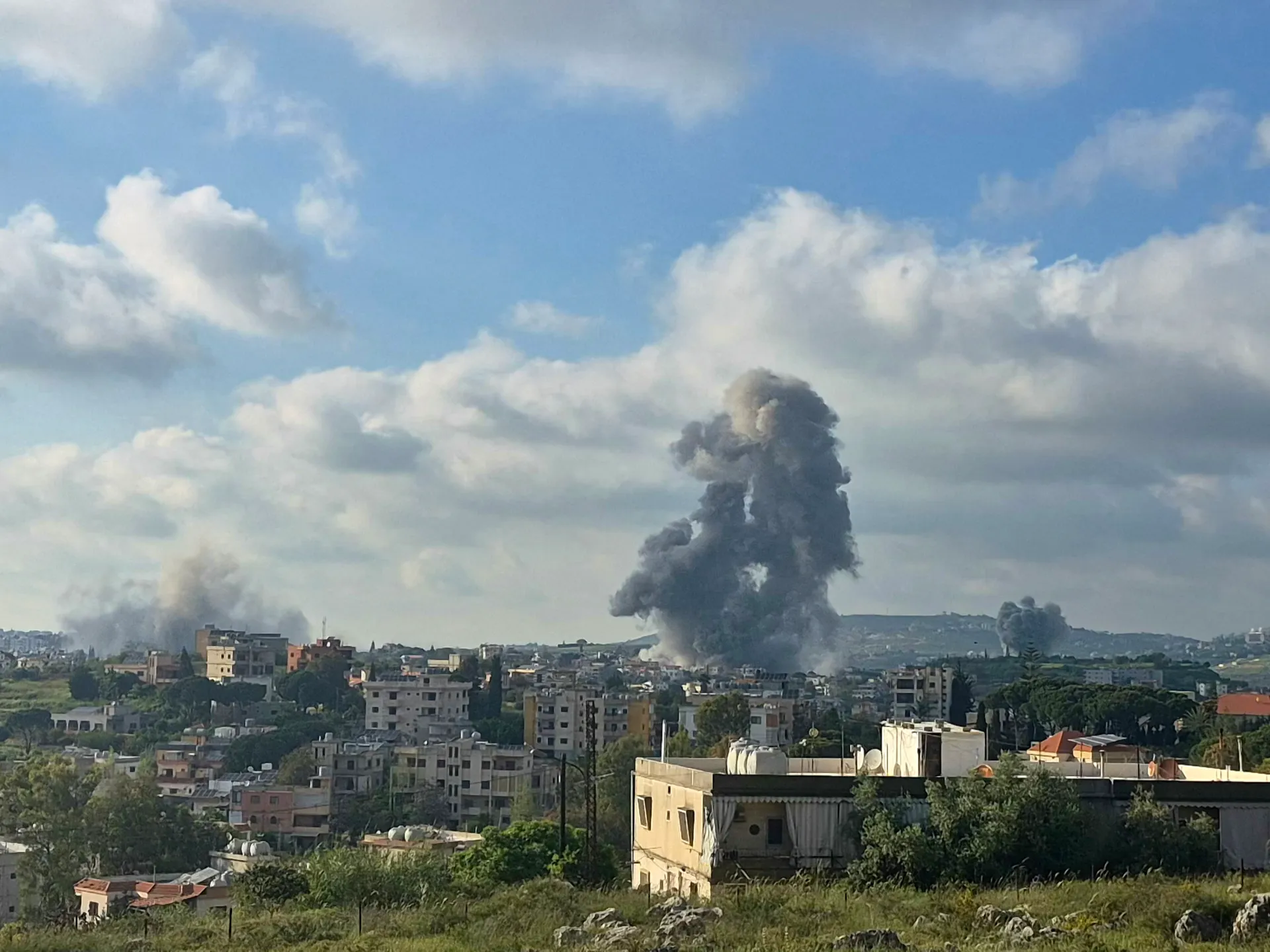
Israeli forces conducted airstrikes in southern Lebanon on Friday, resulting in the deaths of at least 12 people and wounding at least eight others. The attacks targeted the Habboush area in the Nabatieh district, as well as locations near Tyre and Nabatieh, marking a significant violation of the US-brokered ceasefire currently extended to 17 May.
In the Habboush district, Israeli forces issued a forced evacuation order instructing residents to move at least 1,000 metres away before striking the village. Despite this directive, the attacks destroyed a residential neighbourhood, a convent and a school. Footage described as dramatic by a reporter showed buildings completely flattened, with the Lebanese Civilian Defence searching through the rubble.
The Lebanese Ministry of Public Health's Emergency Operations Center reported that the cumulative death toll since hostilities began on 2 March now stands at 2,618, with 8,094 injuries recorded. This figure includes the 12 new fatalities from Friday's strikes, which occurred in multiple locations across the southern region, including at least six other sites where women and children were reportedly killed or injured.
While Israel has stated that its operations target the pro-Iran group Hezbollah, a significant proportion of those killed in the recent escalation have been civilians. The current phase of conflict intensified following the killing of Iranian Supreme Leader Ayatollah Ali Khamenei by the US and Israel, though hostilities between the two nations had been ongoing since October 2023.
Hezbollah has claimed to have targeted military assets inside Lebanon, including a Merkava tank and soldiers in Sour. Meanwhile, Israel continues to occupy parts of southern Lebanon, designating the area a buffer zone, a stance that has complicated the humanitarian impact of the ongoing violations.
The persistence of these attacks despite the diplomatic framework highlights the fragility of the current security arrangement. As the ceasefire deadline approaches, the destruction of civilian infrastructure in Habboush, Tyre and Nabatieh underscores the continued instability in the region.