Ceasefire expiry triggers renewed aerial assault on Ukraine as diplomatic hopes stall
The expiration of a three-day truce announced by Donald Trump has led to an immediate resumption of hostilities, with Moscow launching a significant drone campaign across multiple Ukrainian regions while Moscow accuses Kyiv of repeated violations.
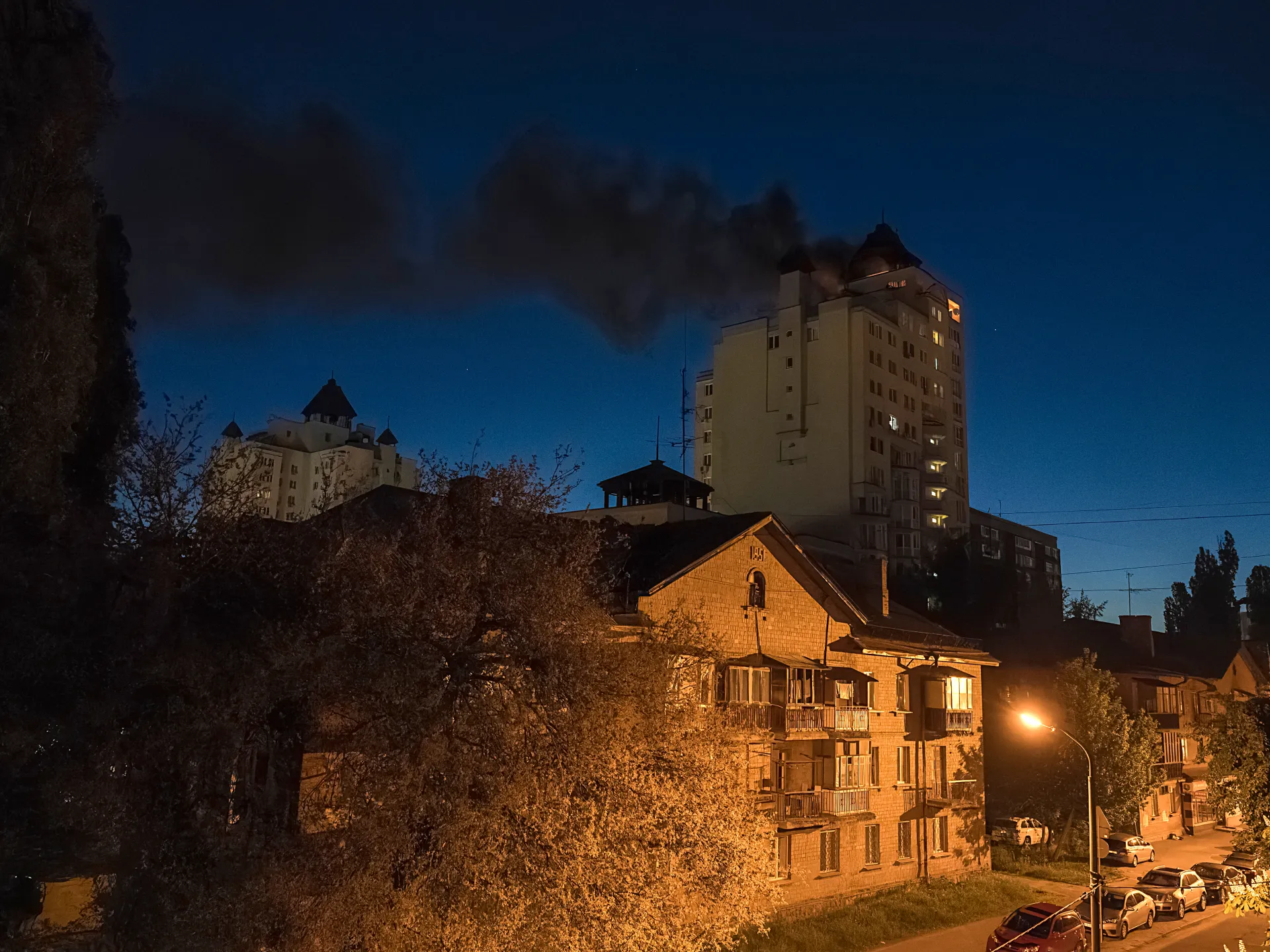
The expiration of a three-day, US-brokered truce has precipitated an immediate return to aerial warfare between Russia and Ukraine. President Volodymyr Zelenskyy confirmed that Moscow launched more than 200 long-range drones against Ukrainian territory overnight, effectively ending the partial silence that had been observed since the agreement was announced by President Donald Trump on Friday.
The scale of the renewed offensive has resulted in confirmed casualties and significant damage to critical infrastructure. Regional administration chief Oleksandr Ganzha reported that attacks in the Dnipropetrovsk region claimed at least one life and injured four others. Simultaneously, strikes targeted energy infrastructure in Mykolaiv, causing widespread outages, while residential buildings and a kindergarten in the Kyiv region were also hit.
While Kyiv details the impact of the bombardment, the Russian Ministry of Defence has presented a contrasting narrative regarding the cessation of hostilities. The ministry claimed that Ukrainian forces violated the ceasefire over 1,000 times, citing attacks on civilian targets within Russian regions and strikes against military positions. Moscow stated that its defences successfully downed 27 Ukrainian drones across the Belgorod, Voronezh, and Rostov regions.
The resumption of attacks underscores the fragility of the diplomatic efforts led by the United States. The 72-hour window, which coincided with Russia's Victory Day celebrations, was intended to mark the beginning of the end to the four-year conflict. However, the rapid escalation suggests that the truce failed to alter the strategic calculus of either side, with both governments continuing to accuse one another of non-compliance even before the agreement formally expired.
Broader geopolitical factors continue to hinder progress towards a negotiated settlement. US-backed negotiations have made little headway and have been largely overshadowed by the escalating crisis in the Middle East involving the United States, Israel, and Iran. This external pressure has complicated the diplomatic environment, leaving the peace talks stalled despite the initial optimism generated by Trump's announcement.
Amidst the renewed violence, Russian President Vladimir Putin has suggested that the war may be approaching its conclusion, expressing a willingness to meet President Zelenskyy in Moscow or a neutral location once an agreement is finalised. However, this diplomatic overture comes alongside warnings from Moscow that its strategic forces remain combat-ready and that the West risks provoking a global conflict.