Ceasefire broken as Iran launches missiles at Israel following Beirut strikes
Tehran’s retaliation for Israeli strikes that killed two in Beirut has shattered the fragile security architecture, with both nations exchanging threats and diplomatic efforts stalling.
Iran and Israel have exchanged threats following Tehran’s launch of ballistic missiles towards Israel, marking the first direct bombardment between the two nations since a fragile ceasefire took effect in early April 2026. The incident has effectively broken the truce and complicated ongoing US-Iran mediation efforts aimed at ending the wider regional conflict.
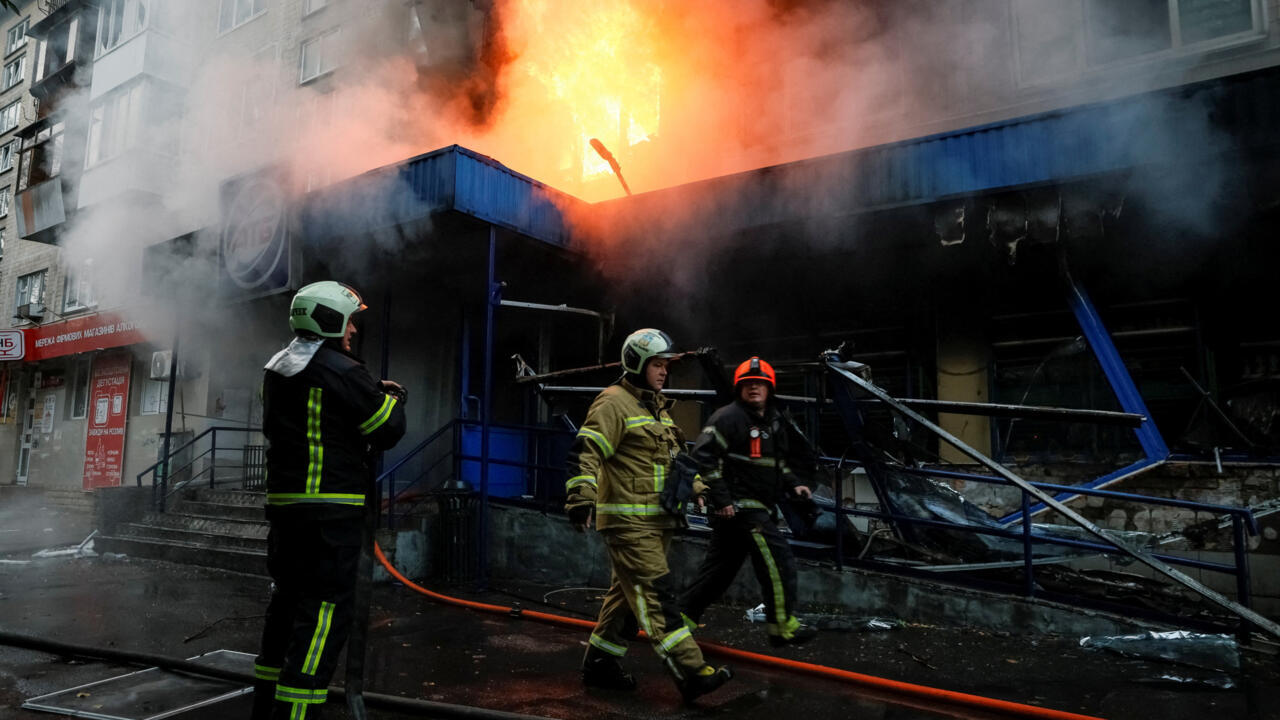
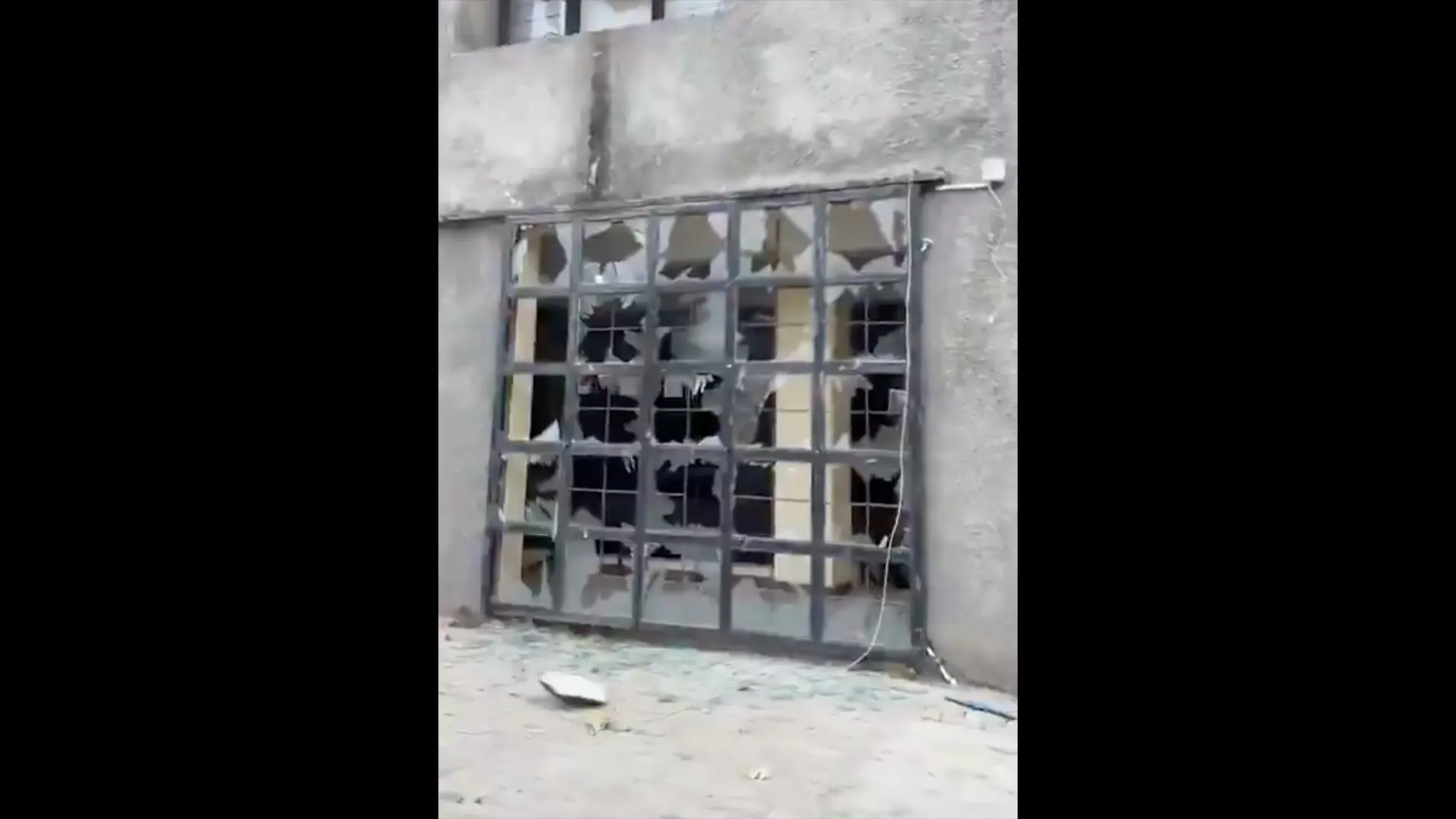
The Iranian attack was a direct retaliation for Israeli strikes on Beirut’s southern suburbs earlier on the same day. According to reports, the strikes resulted in two deaths and 20 injuries, prompting the immediate military response from Tehran.
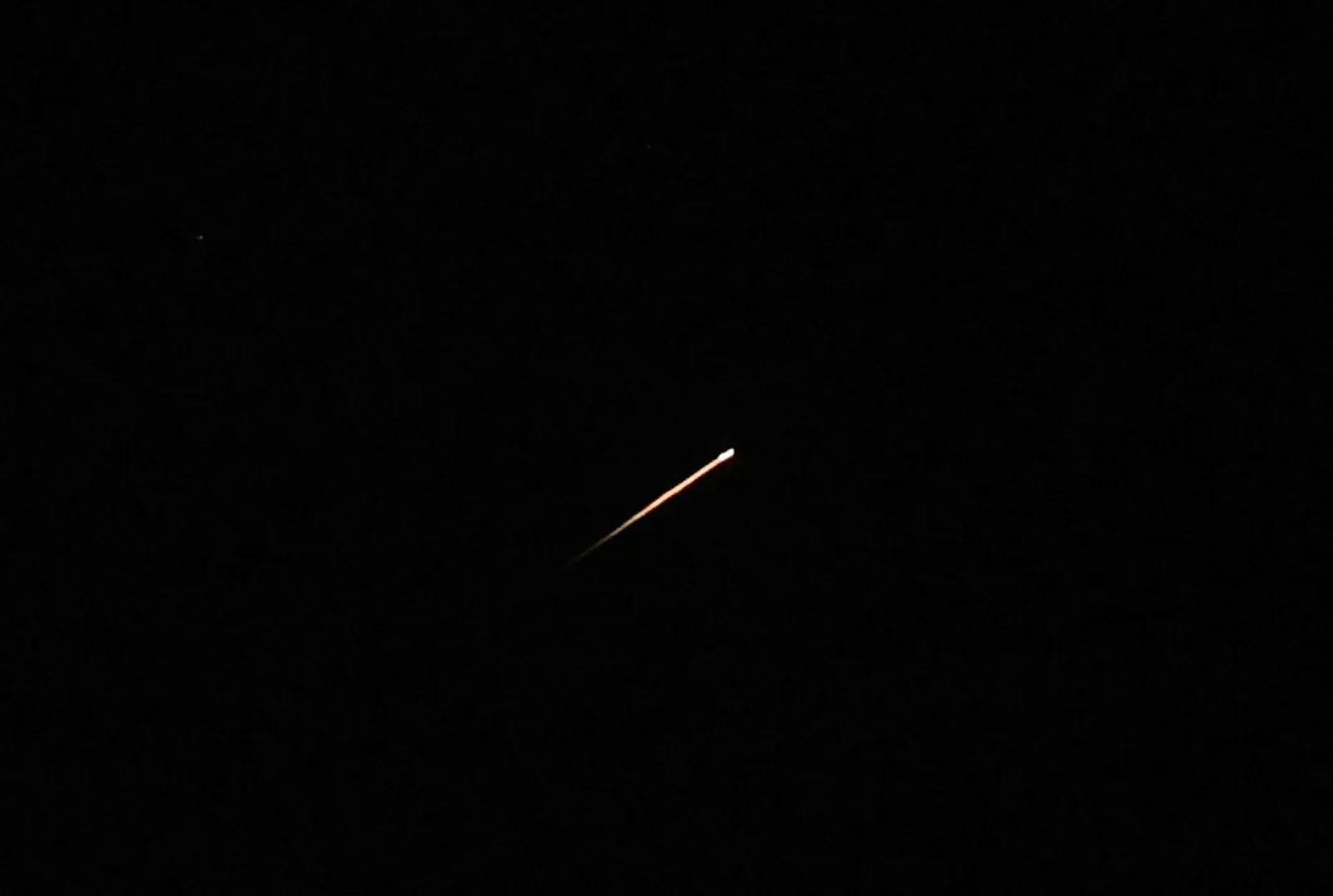
The Israel Defence Forces (IDF) confirmed the missile launch, with reports indicating the timing corresponded to approximately 4:00 am Japan Standard Time on 8 June. Video evidence emerged showing missile trajectories, though specific details regarding the number of missiles launched or the extent of damage remain unverified in the source material.
This development marks a sharp deterioration in the region’s security architecture. With the ceasefire now considered effectively broken, the focus shifts to the immediate implications for regional governance and the potential for further escalation between the two state actors.
The event underscores the fragility of the current diplomatic landscape. While the ceasefire had held since early April, this direct exchange of fire has introduced significant uncertainty into ongoing mediation efforts, raising concerns about the stability of the security framework in the Middle East.