CBS Sports tiers preseason AP Top 25 by national title probability
A new assessment from CBS Sports categorises the preseason Top 25 teams into performance tiers, evaluating roster talent, returning starters, and schedule difficulty to determine realistic championship chances.
CBS Sports has released a tiered analysis of the preseason AP Top 25 college football teams, evaluating their probability of securing a national championship or entering the 12-team playoff bracket. The assessment categorises teams into tiers ranging from S, representing legitimate title favourites, to F, indicating little realistic path to the postseason. The evaluation utilises roster talent, the number of returning starters, and schedule difficulty as primary metrics to distinguish between mere poll rankings and genuine competitive viability.
The S tier comprises seven teams identified as legitimate national title favourites: Ohio State, Oregon, Georgia, Notre Dame, Texas, Indiana, and Miami. This group is characterised by championship-calibre rosters, with all seven teams returning a starting quarterback with at least one full season of experience. Indiana’s inclusion follows its recent national title victory, while Texas and Oregon are noted for possessing potentially the most talented rosters in the sport. Despite differing schedule difficulties, all seven teams are viewed as capable of winning the national title if they reach the 12-team bracket.
The A tier includes Ole Miss, Oklahoma, and LSU, teams that can win the championship if circumstances align. Ole Miss returns a core that led to a semifinal run last season, while Oklahoma features a defensive unit returning six starters. LSU enters the 2026 season with what is described as the sport's most expensive roster, though questions remain regarding how the team navigates a difficult schedule. These teams are positioned as strong contenders, provided key variables fall into their favour.
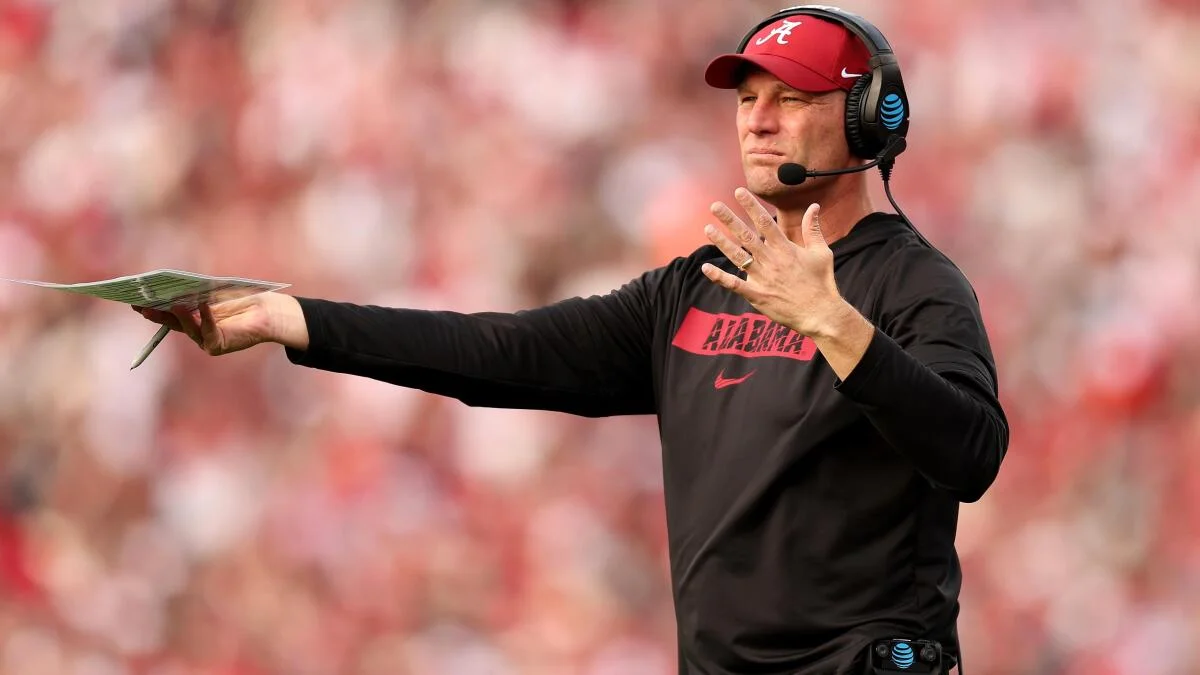
The B tier features Texas A&M, Texas Tech, Alabama, USC, Michigan, and Tennessee, teams with significant roster questions despite high talent levels. Texas A&M faces scrutiny over a new offensive line and coordinators alongside a challenging schedule. Alabama’s ranking is tempered by concerns over its offensive line and run game, despite an elite defence. USC is viewed with skepticism regarding its defence and a brutal schedule, while Tennessee’s placement relies on specific player developments and defensive coaching outcomes.
At the lower end of the spectrum, the F tier includes Iowa and Missouri, teams deemed unlikely to reach the playoff. Iowa faces a tough schedule and lacks returning starters, while Missouri contends with a difficult SEC path and unproven roster pieces. The analysis suggests that structural challenges and roster inexperience limit these programmes’s realistic pathways to the postseason, distinguishing them from the higher-tier contenders.