CBI chief warns Burnham against tax speculation, urges public-private partnerships
Confederation of British Industry leader cautions incoming Labour leader against policy uncertainty and high energy costs for business

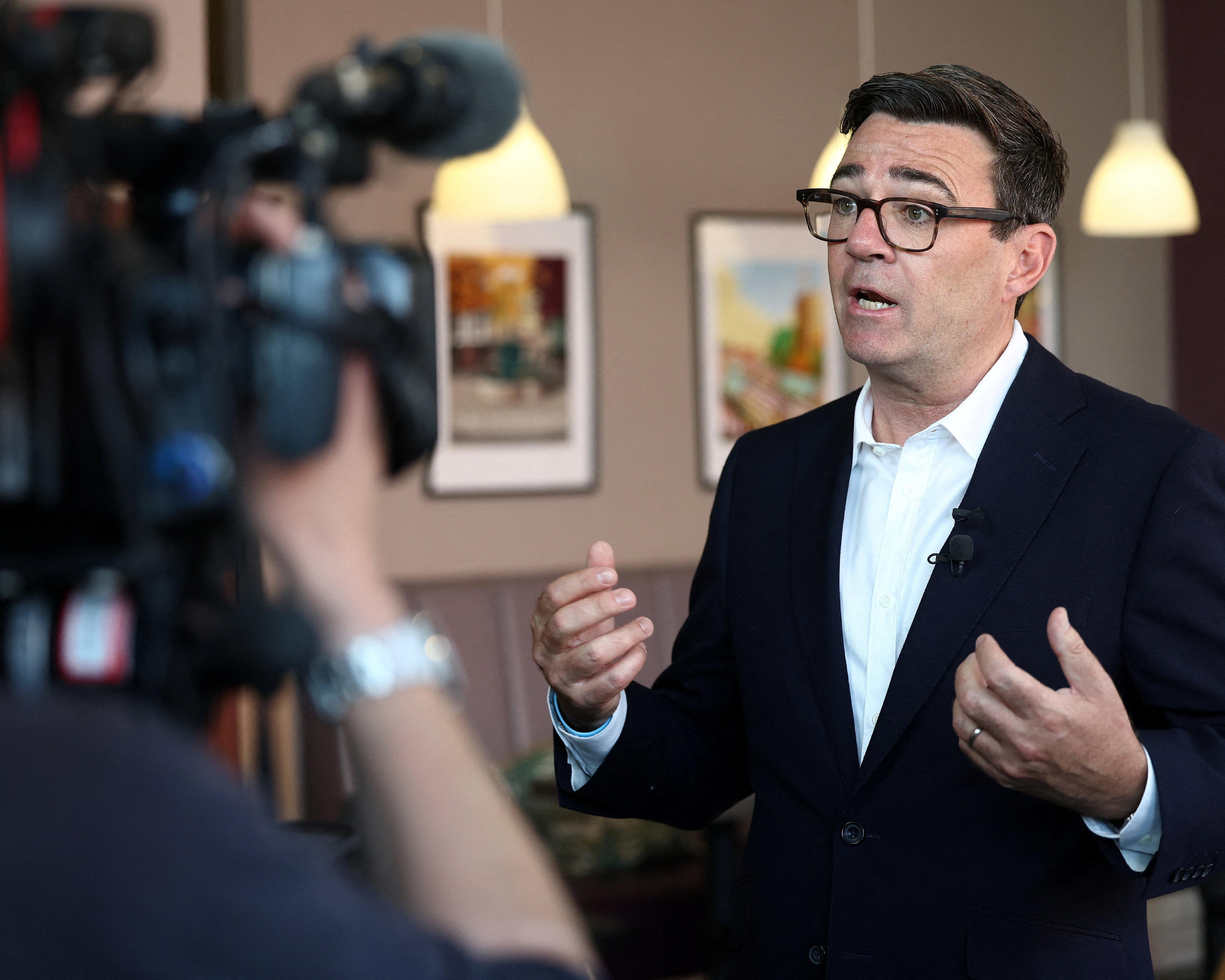
Rain Newton-Smith, chief executive of the Confederation of British Industry (CBI), has issued a direct warning to incoming Labour leader Andy Burnham to avoid a “summer of speculation” regarding tax and spending policies. Speaking ahead of Burnham’s leadership transition, Newton-Smith argued that uncertainty over potential tax increases or spending cuts would destabilise British business and urged the new leader to establish a credible fiscal plan with clear rules early in his tenure.
Newton-Smith cautioned against “kite-flying” over policy directions, a reference to Labour’s previous leadership period which was marked by leaks and speculation ahead of autumn budgets. She praised Burnham’s business-friendly approach as mayor of Greater Manchester but stressed that whoever is appointed as chancellor, including potential candidate Ed Miliband, should not feel “bounced into making decisions” immediately. “What business wants to see is evolution, not revolution,” she said, advising the government to “walk to the right answers, not run to the wrong ones.”
A central pillar of the CBI’s advice is the rejection of renationalising key utilities, which Newton-Smith described as “incredibly expensive” with costs ultimately falling on ordinary people. Instead, she advocated for a new generation of public-private partnerships to fund major infrastructure projects, including housing, reservoirs, and energy-efficient buildings. She noted that private sector investment has previously delivered high-quality outcomes and warned that moving away from this model carries significant financial risks.
The CBI chief also highlighted the competitive disadvantage faced by UK firms due to high energy costs, noting that electricity prices are 45% above the G7 average. In a paper published jointly with Energy UK, the CBI called for the removal of levies such as the renewables obligation from business bills. The organisation suggested these costs be met by taxpayers or through a privately financed “energy transition funding scheme,” arguing that addressing the cost of doing business is essential to resolving broader cost-of-living pressures.
On foreign policy, Newton-Smith urged Burnham to reschedule the UK-EU reset summit, previously postponed by former leader Keir Starmer, while expressing scepticism about rejoining the single market or customs union. She stated that rejoining these frameworks is “not on the table” from the European side and that the government should focus on negotiating hard within the existing framework. Newton-Smith, who took over the CBI in 2023 following allegations of sexual misconduct, confirmed that the organisation’s culture has shifted significantly and that membership and income are now growing.