Catalan youth pivot to culture in bid to sustain independence movement
Nearly a decade after the 2017 referendum, young Catalans are using art and language as tools of civil disobedience to keep the drive for sovereignty alive.
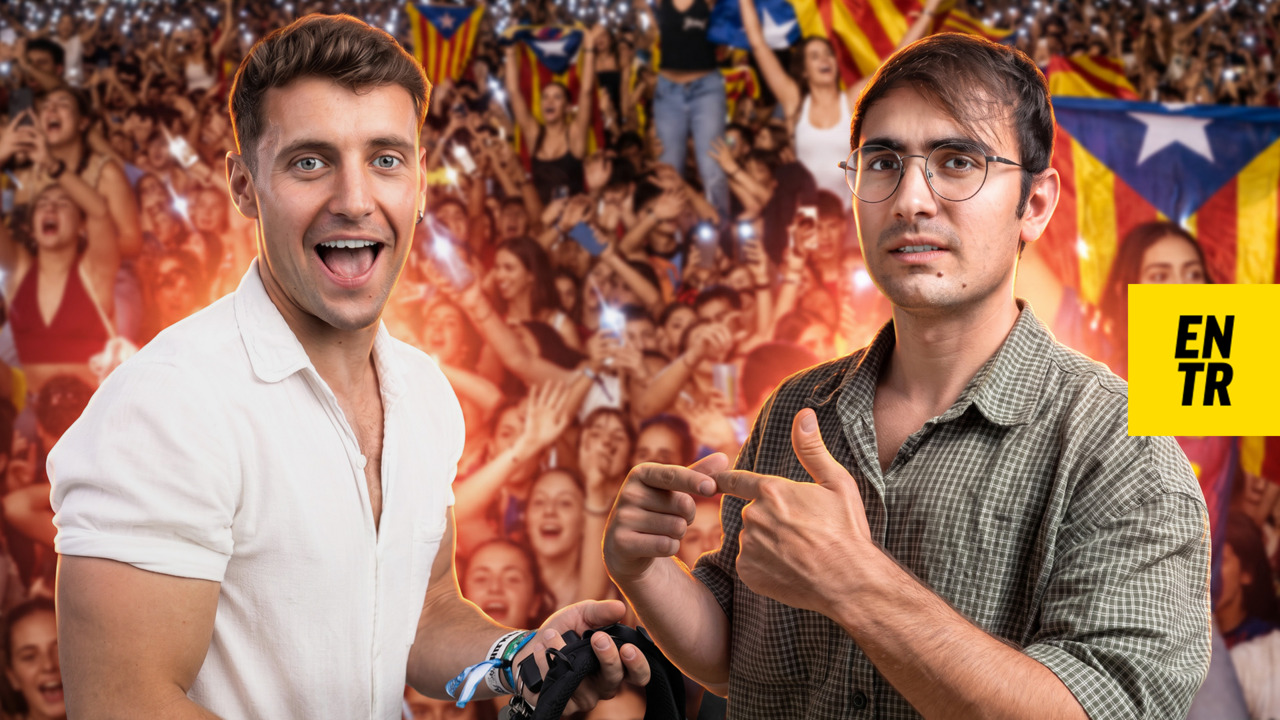
Nearly ten years after the 2017 Catalan independence referendum triggered violent clashes and the suspension of regional autonomy, a new generation is redefining the separatist struggle. With traditional political avenues yielding little progress, young Catalans are increasingly turning to cultural preservation, specifically through music and language, to maintain their distinct identity and keep the independence movement alive.
The shift away from formal politics follows a period of significant disillusionment. Following the 2017 vote, which was declared unconstitutional by Madrid, Spain’s central government suspended Catalonia’s autonomy and imposed direct rule. In 2019, twelve Catalan leaders were tried for sedition and embezzlement, with nine convicted. This legal and political stalemate has left many pro-independence supporters weary of broken promises and a lack of renewal within the political class.
Consequently, activists and artists are utilising cultural platforms to express political dissent. At the Cabro Rock festival in Vic, the Catalan language takes precedence over Castilian Spanish, with organisers and attendees prioritising local music and identity. DJ Joan KZU, a 27-year-old artist who remixed traditional Catalan music for social media, views the preservation of the language as a political act. He notes that many followers believe his cultural contributions offer more tangible value to Catalonia than current politicians.
Pau, a former activist from Celra near Girona, highlights the practical challenges facing the language in tourist-heavy areas like Barcelona. He reports instances where service staff do not understand Catalan, limiting its use in daily interactions such as ordering food or accessing healthcare. Pau argues that while individual effort is vital, authorities must ensure the language is respected in public services.
Despite these challenges, there is a growing commitment among youth to save Catalan through creative output. Young people are producing films, music, and digital content exclusively in Catalan, a trend that offers hope for the movement’s longevity. While Catalan is spoken by over 10 million people in Europe, it remains a regional language rather than a national one of Spain or the EU. For figures like Joan, this cultural resilience is a necessary step toward eventual independence.