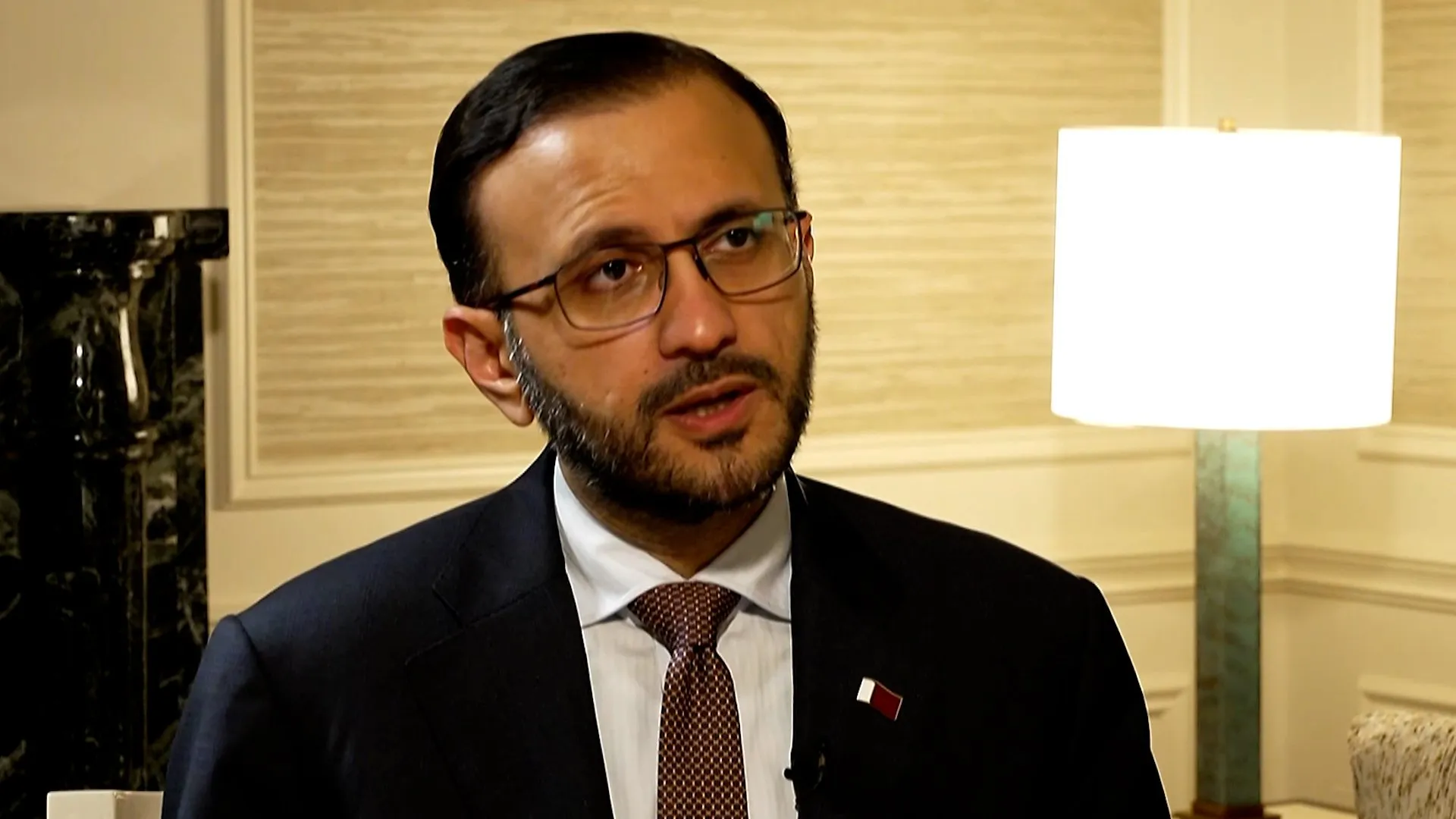
Carney suspends US trade talks, vows dollar-for-dollar tariff match
Prime Minister Mark Carney has halted negotiations with Washington, opting for retaliation over a tentative deal as the dispute escalates into uncharted territory.
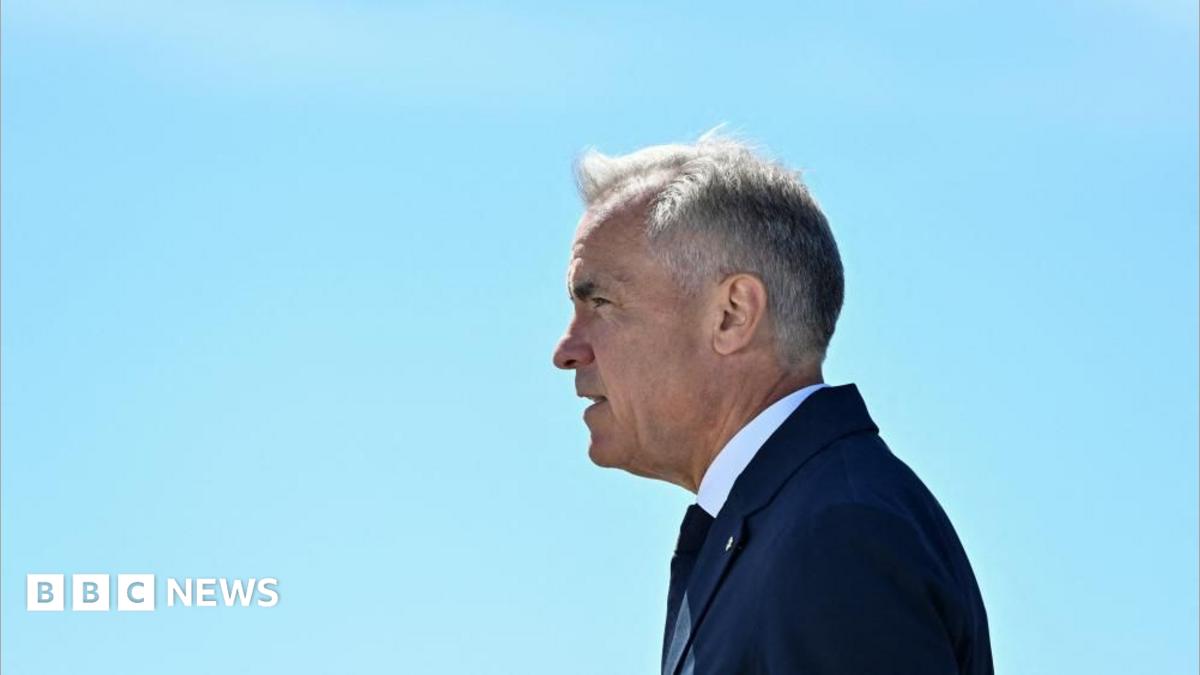
Canadian Prime Minister Mark Carney has suspended trade negotiations with the United States, deciding to retaliate against new US duties rather than accept a tentative agreement. The late-night decision marks a significant escalation in the bilateral trade war, with Ottawa vowing to match US tariffs "dollar for dollar." This move makes Carney one of the first world leaders to walk away from the negotiating table with the White House, placing the outcome under close international scrutiny.
The breakdown follows mutual accusations of last-minute changes that torpedoed the tentative deal. Carney stated that late US proposed terms were "unfair, uneconomic, and called into question the reliability of any deal." Conversely, US Trade Representative Jamieson Greer pointed to "new demands and walk backs of other commitments by Canada" as the primary reasons for the collapse. The Distilled Spirits Council of the United States also suggested that Canadian provinces' refusal to return US spirits to store shelves contributed to the outcome.
The economic stakes are substantial, with the US imposing 50 per cent duties on approximately $20 billion worth of Canadian exports. Canada sends about 70 per cent of its exports to the US, while the US is the top trading partner for several American states, including Michigan, Kentucky, Indiana, and Ohio. Carney must now convince Canadians and provincial leaders that the economic pain of the dispute justifies a hardline stance against the US administration.
Political support for the decision has coalesced from both sides of the aisle. Conservative opposition leader Pierre Poilievre backed Carney’s move, arguing that Canada cannot accept one-sided tariffs that would deindustrialise the country. Ontario Premier Doug Ford, who had previously raised concerns about the tentative deal, released a letter expressing full support for a "strong response - tariff for tariff, dollar for dollar." Ford warned that an agreement reached under pressure would embolden the United States to seek further concessions.
Public opinion appears divided but leans towards resistance. A recent Abacus Data survey suggested around 36 per cent of Canadians would support retaliating to US tariffs, while a Leger poll indicated that 56 per cent want the federal government to take a hard line and make no more concessions. Canadians have already begun boycotting US travel, resulting in an estimated C$3.3 billion loss in travel revenue for the US last year.
The dispute has also impacted specific sectors, with US wine exports to Canada falling 78 per cent year over year, a $357 million loss in export value. American spirits exports have dropped by more than 70 per cent due to provincial bans. Carney is scheduled to meet with provincial leaders on Saturday to brief them on the current state of affairs, seeking to unify the domestic front as the two nations await a response from President Donald Trump.