Captive breeding programme averts extinction for New Zealand’s critically endangered parakeet
Conservationists warn that wild populations remain vulnerable to predators, underscoring the necessity of managed breeding efforts for the kakariki karaka.
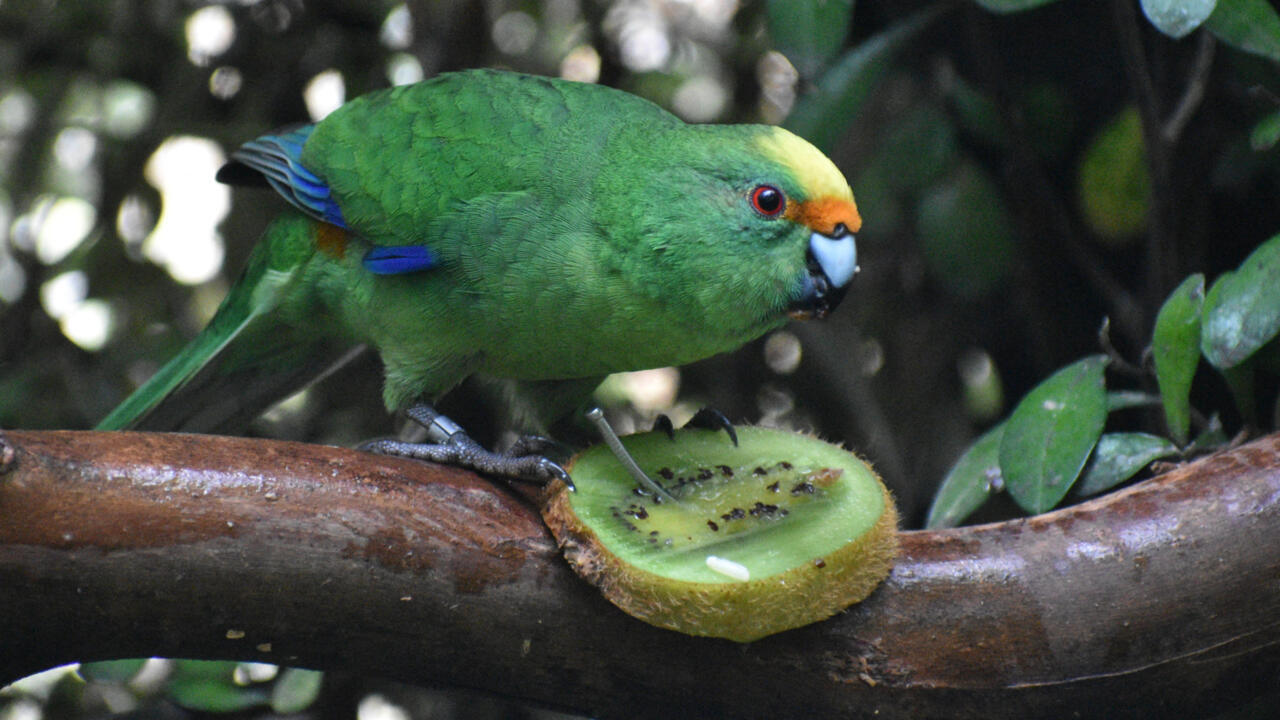
A pair of orange-fronted parakeets, known as kakariki karaka, has produced 55 chicks since being paired in 2024, contributing significantly to the survival of the critically endangered species. The birds, named Nacho and Trixie, are housed at the Isaac Conservation and Wildlife Trust in Christchurch, New Zealand, and their offspring now account for more than 10 per cent of the estimated total population of approximately 450 birds.
The kakariki karaka has been declared extinct twice in its history before being rediscovered. The remaining population is distributed primarily across predator-free sanctuaries and islands, with some wild populations that remain highly vulnerable to predation. Conservation authorities emphasise that captive breeding programmes are essential for establishing new sites and maintaining backup populations against these external threats.
Leigh Percasky, wildlife manager at the Isaac Conservation and Wildlife Trust, highlighted the intense breeding activity of the pair. Trixie has continued to lay eggs and raise chicks despite the end of the typical breeding season, currently caring for a clutch of seven. Percasky noted that while conservationists would prefer the birds to rest, she shows no signs of stopping, raising concerns for her health due to the sustained intensity of her efforts.
Nacho plays a critical role in the pair’s success, responsible for foraging for food for both Trixie and the growing number of chicks. Percasky described the pair’s contribution as massive, though he expressed uncertainty regarding their energy levels as they continue to breed beyond the standard season. The 55 chicks include 33 born in the current year, marking a substantial surge in numbers for the rare parakeet.
Wayne Beggs, lead of the Department of Conservation’s kakariki karaka recovery programme, stated that breeding pairs like Nacho and Trixie are vital in preventing the species from going extinct. He emphasised that without these captive programmes, it would be impossible to establish new sites or provide the necessary safety net for a species whose wild numbers are constantly at risk from predators.