Cannes Film Festival: Barnard and Cole explore class and identity in new British drama
The pair spoke to arts24 on the Croisette about their adaptation of Keiran Goddard’s novel, which examines the emotional ties that bind individuals to their hometowns despite financial success.
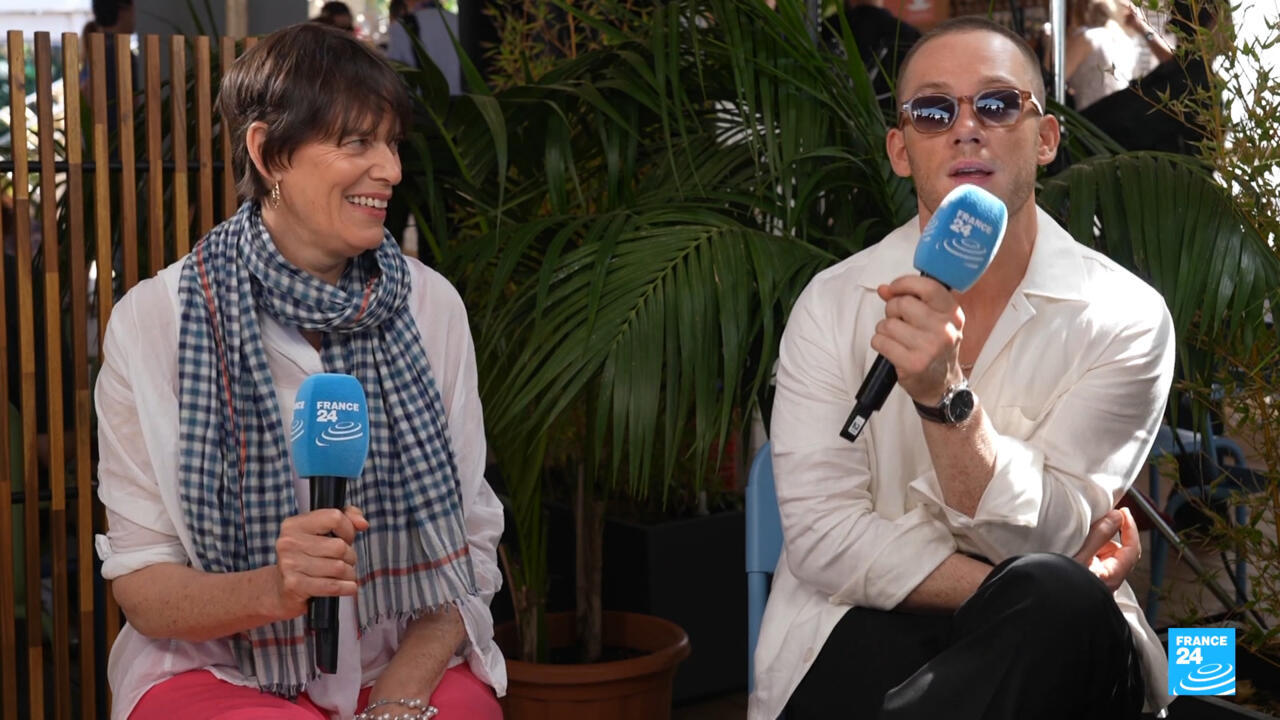
Director Clio Barnard and actor Joe Cole addressed themes of class division and modern masculinity at the Cannes Film Festival on 2 June 2026. The discussion centred on Barnard’s latest film, "I See Buildings Fall Like Lightning," which premiered in the Directors' Fortnight section. The project is an adaptation of the novel by Keiran Goddard, focusing on five childhood friends from working-class Birmingham whose lives have diverged significantly from their early expectations.
Cole portrays Rian, a character who achieves financial success but remains emotionally tethered to his origins. During the interview with arts24’s Eve Jackson on the Croisette, the pair explored the complexities of Birmingham identity and the experience of mourning the life one expected to have by the age of 30. The narrative highlights the tension between upward mobility and the enduring influence of one’s place of birth.
The source material for the film is Keiran Goddard’s acclaimed novel, which provides the structural foundation for Barnard’s cinematic interpretation. The story tracks the trajectories of the five protagonists, contrasting the life they imagined with the reality they inhabit. Cole, known for his role in "Peaky Blinders," plays the central figure who has seemingly escaped his circumstances, only to find that success does not sever his connection to his roots.
The conversation, conducted by arts24, delved into the broader cultural implications of the story, including the nature of modern British masculinity and the persistent weight of class divisions. Barnard and Cole framed these elements as part of a universal experience, particularly regarding the disillusionment that can accompany adulthood. The film’s premiere in the Directors' Fortnight section underscores its focus on distinct, author-driven storytelling within the festival programme.
Technical issues with the embedded video content in the original France 24 International report limited the availability of full audio and visual records of the interview. However, the summary of the discussion confirms that the film’s core inquiry remains the interplay between individual achievement and collective identity. The premiere marks a significant entry for Barnard in the international festival circuit, bringing a grounded perspective on British social dynamics to the Cannes stage.