Canada’s inflation breaches Bank of Canada target range as oil prices spike
The figure marks the first time headline inflation has exceeded the central bank’s one to three per cent target in nearly two-and-a-half years, though analysts predict a temporary peak following a recent diplomatic breakthrough.
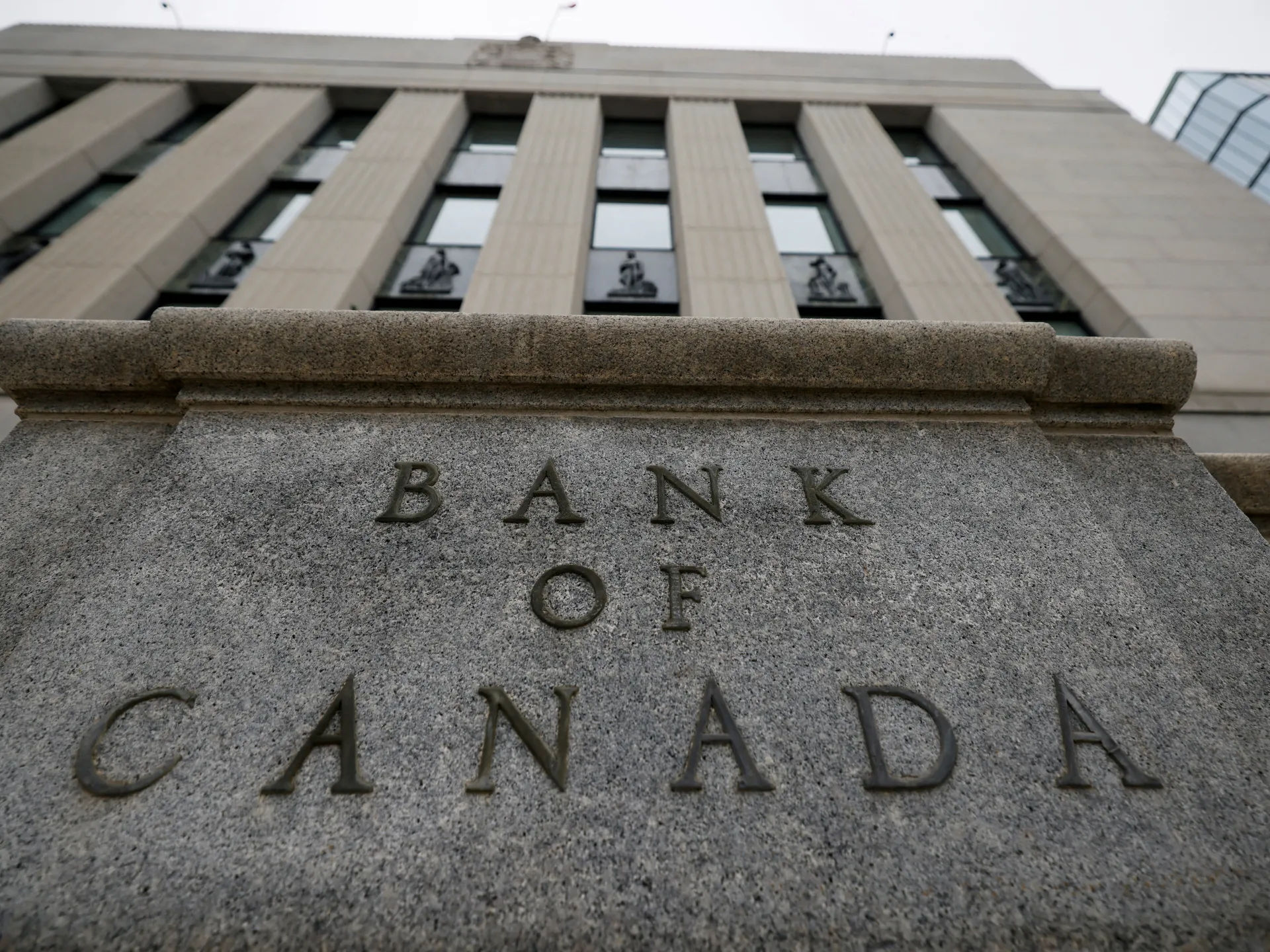
Canada’s annual inflation rate climbed to 3.2 per cent in May, reaching a 29-month high and breaching the Bank of Canada’s target range for the first time in nearly two-and-a-half years. The surge, reported by Statistics Canada, was primarily fuelled by a 33.2 per cent annual increase in petrol prices, a sharp rise linked to heightened oil costs stemming from US-led tensions with Iran.
The monthly inflation rate jumped 1 per cent in May, marking the highest single-month gain in 15 months. This spike in energy costs rippled through the broader economy, pushing transportation costs up by 9 per cent compared to the previous month. Overall consumer prices rose 2.2 per cent annually, with additional pressure from food, recreation, and alcoholic beverage sectors.
Food prices increased by 3.8 per cent year-on-year, led by a 5.3 per cent rise in fresh fruit and a 9 per cent jump in vegetable costs. Shelter costs also climbed by 1.7 per cent in May, following a 1.8 per cent increase in April. This housing inflation was partially offset by a 0.2 per cent drop in mortgage costs, which had previously contributed to the overall rise in living expenses.
The data arrives at a politically sensitive moment for Prime Minister Mark Carney, whose party secured a parliamentary majority in April. Carney had pledged to address affordability issues, and the current inflationary environment presents a significant governance challenge. Doug Porter, chief economist at BMO Capital Markets, noted the political weight of the figures, stating that it is never good news to see the overall inflation rate track above three per cent, even if only for a single month.
Despite the headline spike, analysts suggest the May peak may be transient. An interim peace deal signed last week between the United States and Iran has led to a sharp fall in oil prices in June. Michael Davenport, senior Canada economist at Oxford Economics, indicated that the agreement to reopen the Strait of Hormuz has caused oil prices to drop significantly, suggesting May will likely represent the near-term peak for headline inflation. However, he cautioned that uncertainty remains regarding the durability of the ceasefire and the risk of a resurgence in oil prices.