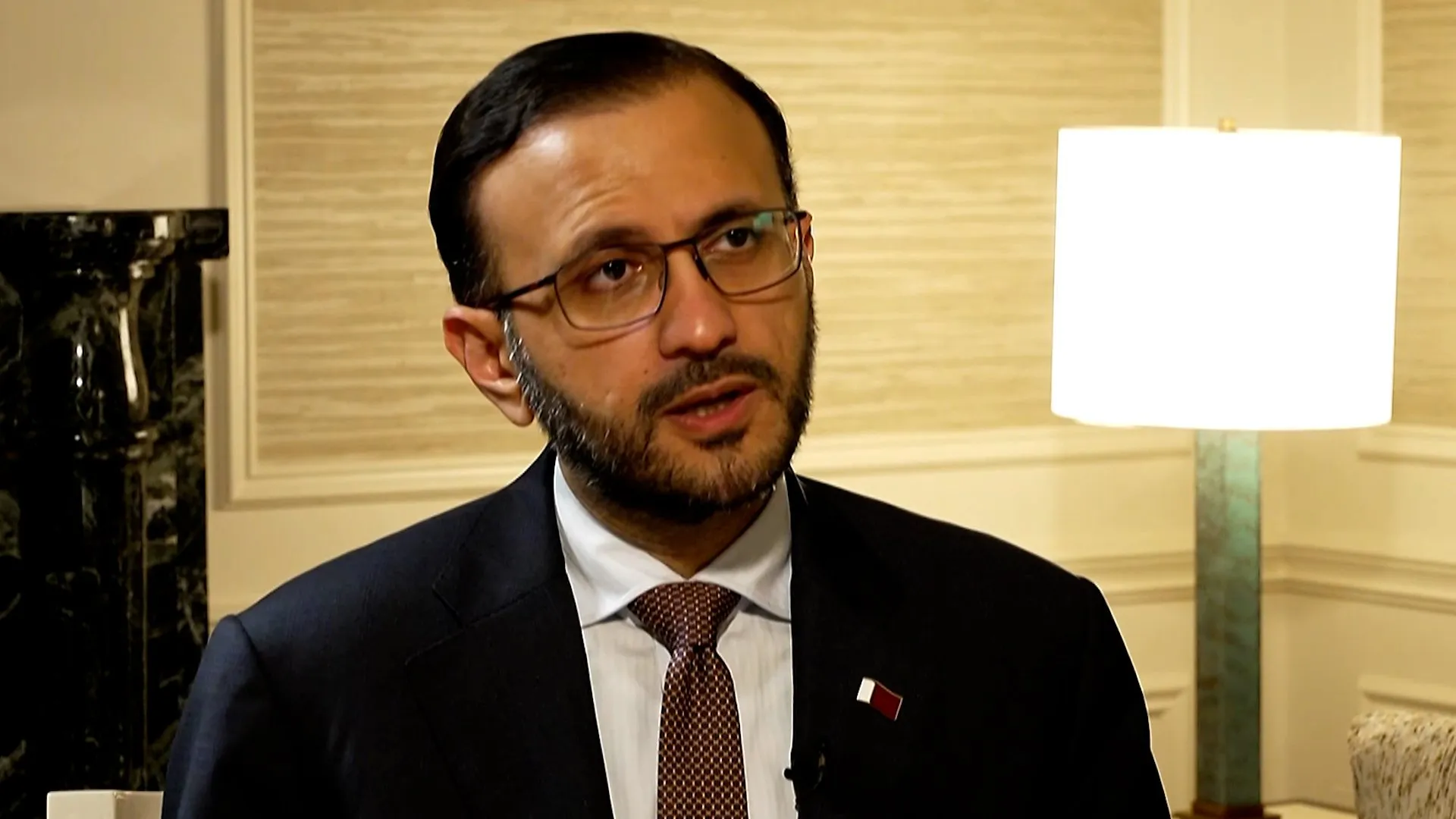
Canada unveils tiered tariff structure targeting C$28 billion in US imports
Ottawa has formalised a multi-tiered retaliatory framework, imposing levies of up to 50 per cent on approximately 700 US products. The move signals a shift from ad-hoc responses to a structured institutional countermeasure following the collapse of bilateral negotiations.
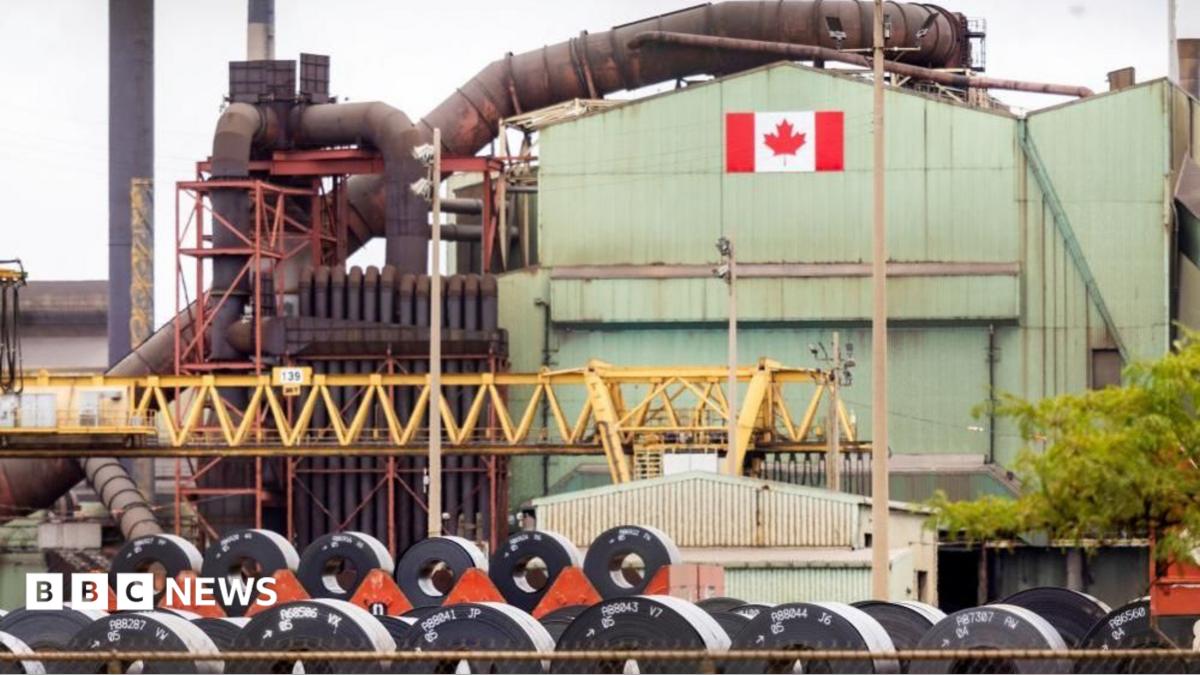
The Canadian government has announced a comprehensive package of counter-tariffs affecting approximately C$28 billion worth of US goods, a move designed to mirror the specific sectors targeted by recent American levies. Finance Minister François-Philippe Champagne characterised the measures as both "proportionate" and "strategic," indicating a deliberate effort to align the scope of retaliation with the impact of US policy on Canadian industries.
The new framework introduces a tiered structure for the approximately 700 targeted products. Steel and aluminium products, previously subject to a 25 per cent counter-tariff, will face a 50 per cent rate. This higher tier also applies to natural honey, furniture, clothing, apparel, makeup, and perfume. A 25 per cent tariff will be levied on appliances, dairy products such as cheese, fish, seafood, and certain derivative products of steel and aluminium. Meanwhile, specific tools and machinery, including forklifts and air conditioning units, will be subject to a 15 per cent tariff.
These measures are set to take effect on 8 September, following the collapse of trade talks late last week. The negotiations broke down after both sides accused the other of presenting unreasonable last-minute demands. Champagne stated that the US tariffs would have "real consequences" for Canadian workers and businesses, necessitating a formal response from Ottawa.
To mitigate the domestic economic impact, the government has allocated an additional C$7.5 billion for support programmes. These funds are intended to minimise job losses and provide liquidity to companies affected by the increased trading costs. The policy aims to stabilise supply chains that have been developed over decades, which now face elevated costs due to the reciprocal levies.
The announcement comes amid heightened political rhetoric. President Donald Trump, who has not yet officially commented on the specific Canadian countermeasures, posted on Truth Social accusing Canada of "ripping off" the US. He suggested renaming Lake Ontario to Lake America, while Prime Minister Mark Carney accused the US of seeking to "destroy" Canadian industries in automobile manufacturing and steel.
The escalation raises questions regarding the stability of the United States-Mexico-Canada Agreement (USMCA). In response to the fractured negotiations, Mexico’s President Claudia Sheinbaum has dispatched her economy secretary, Marcelo Ebrard, to Washington for emergency talks. While some officials struck a more diplomatic tone on Tuesday, the long-term impact on consumer prices and supply chain integrity remains to be quantified.