Canada to match US tariffs dollar for dollar in escalating trade dispute
Ottawa will impose duties on US steel, dairy, and electronics from 8 September, following the breakdown of negotiations and a 50 per cent levy on $20 billion of Canadian exports.
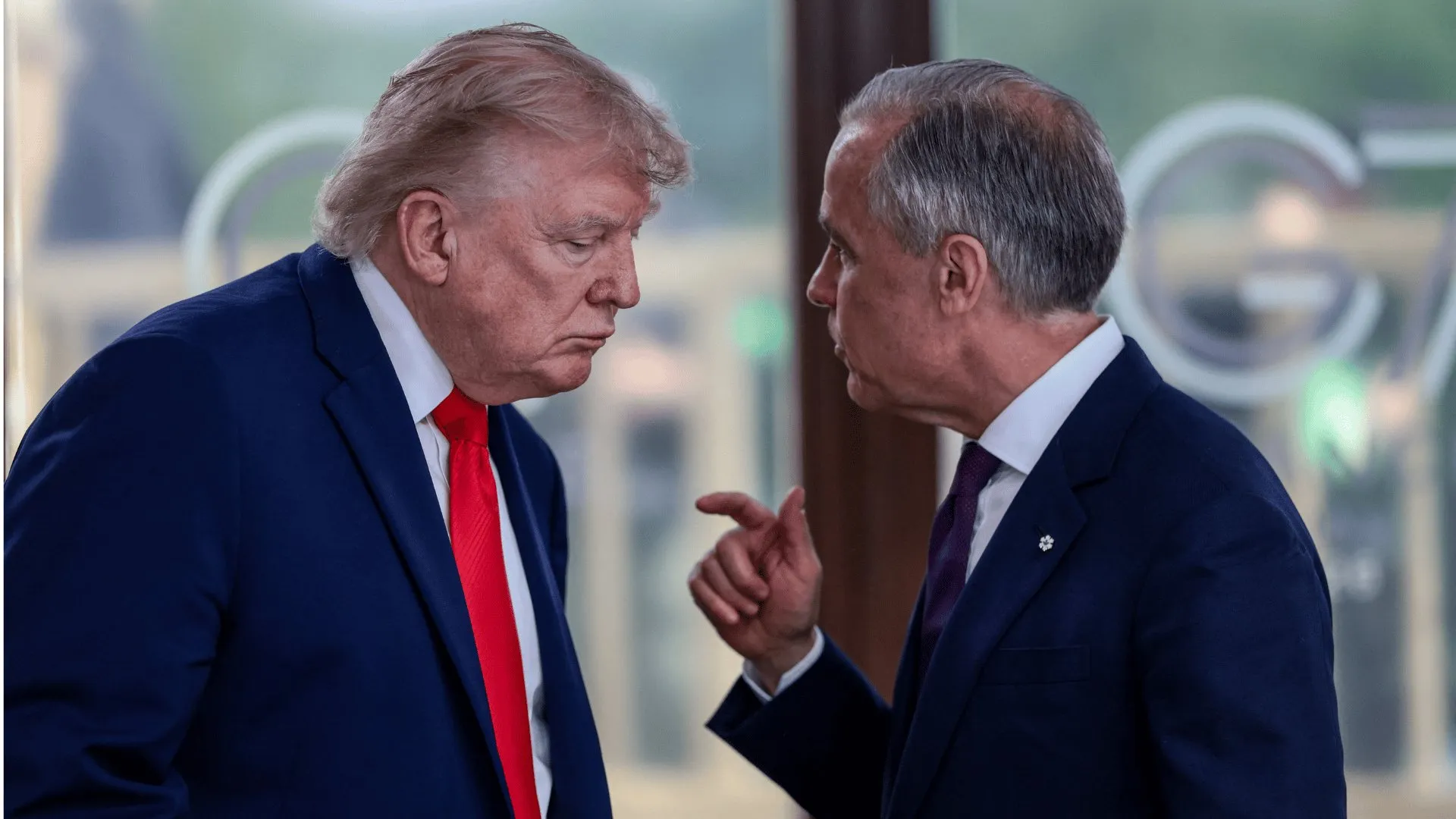
Canadian Prime Minister Mark Carney has announced that the country will impose retaliatory tariffs on United States imports, effective 8 September. The measures are designed to match Washington’s recent 50 per cent levy on $20 billion worth of Canadian goods, a move that represents 5.5 per cent of total Canadian exports to the US.
Speaking from the Parliament building in Ottawa, Carney stated that the new Canadian duties would target US steel, dairy, electronics, appliances, agricultural equipment, and pulp and paper. He described the US terms as "uneconomic" and "unfair," arguing that they undermined the net benefits for Canada and called into question the reliability of any potential agreement.
The announcement follows the breakdown of bilateral negotiations late on Friday, which had been ongoing since early August when US President Donald Trump declined to renew the North American free trade agreement (USMCA). Carney accused US negotiators of making "threats" to the French language and "Quebec culture," while also seeking to curtail Canada’s ability to forge new trade deals with other nations.
US Trade Representative Jamieson Greer indicated that no new talks are currently planned, stating that Canada had rejected a trade deal offer. "We’re moving forward with measures that respond to Canadian retaliation," Greer said, adding that Canada had previously had the best deal available.
The Canadian government is expected to release detailed support measures for affected industries next week, with Carney suggesting these interventions could last for years. While Canada relies on the US for nearly 70 per cent of its exports, the Prime Minister has pledged to diversify trade relationships and forge new alliances to reduce this dependency.
Public opinion in Canada appears to support the hardline approach, with a recent Leger poll indicating that 56 per cent of Canadians favour a tough stance against the US. Ontario Premier Doug Ford endorsed the decision, describing the rejected US offer as a "bad deal" for the auto, steel, and manufacturing sectors. In the US, Democratic lawmakers and the Business Roundtable have warned that the escalating dispute risks raising costs for American businesses and families.