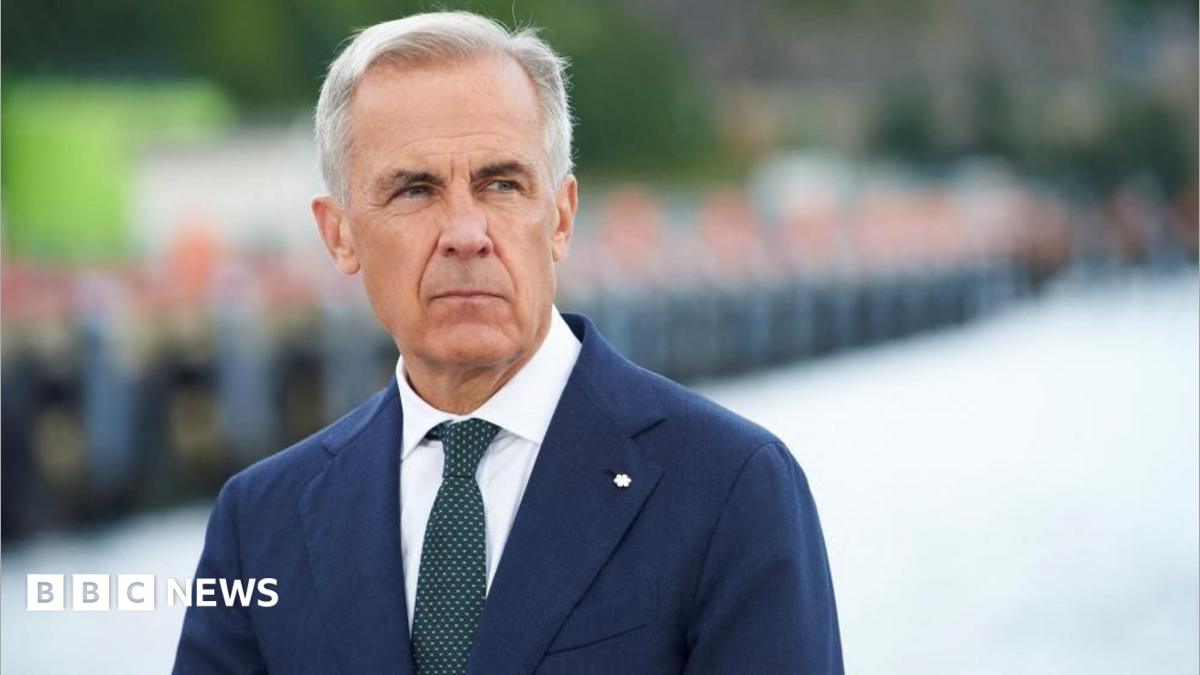
Canada to match US tariffs dollar for dollar after trade talks collapse
Ottawa will impose reciprocal duties on Washington following the failure to finalise a deal before a midnight deadline, with new 50 per cent US tariffs hitting $20 billion in Canadian exports.
Canadian Prime Minister Mark Carney has announced that his government will match new United States tariffs "dollar for dollar" to protect domestic workers and businesses. The decision follows the breakdown of negotiations between Ottawa and Washington, which failed to produce an agreement before a strict deadline. Consequently, new 50 per cent duties on approximately $20 billion worth of Canadian exports took effect on Saturday.
The collapse of talks marks the end of a two-week negotiation period in Washington, where Canadian Trade Minister Dominic LeBlanc and US Trade Representative Jamieson Greer attempted to resolve disputes over trade terms. Greer stated on Friday that Canada declined to finalise the deal under terms agreed earlier in the week. He noted that Washington had offered significant tariff reductions on steel, aluminium, autos, and lumber in exchange for Canadian concessions, describing the outcome as a missed opportunity.
Carney rejected the characterisation, describing last-minute changes to the US proposal as unfair and uneconomic. In a statement, the Prime Minister said the alterations called into question the reliability of any deal. He emphasised that the reciprocal measures are necessary to shield the Canadian economy from the impact of the new duties, which target key export sectors.
The United States accounts for roughly 70 per cent of Canadian exports, making the dispute a significant economic challenge for Ottawa. Previous retaliatory measures by Canada, including the removal of US alcohol and wine from liquor stores, had irritated US officials. The White House alleged discriminatory treatment by Canada against US alcohol, automobile, and dairy products in introducing the duties.
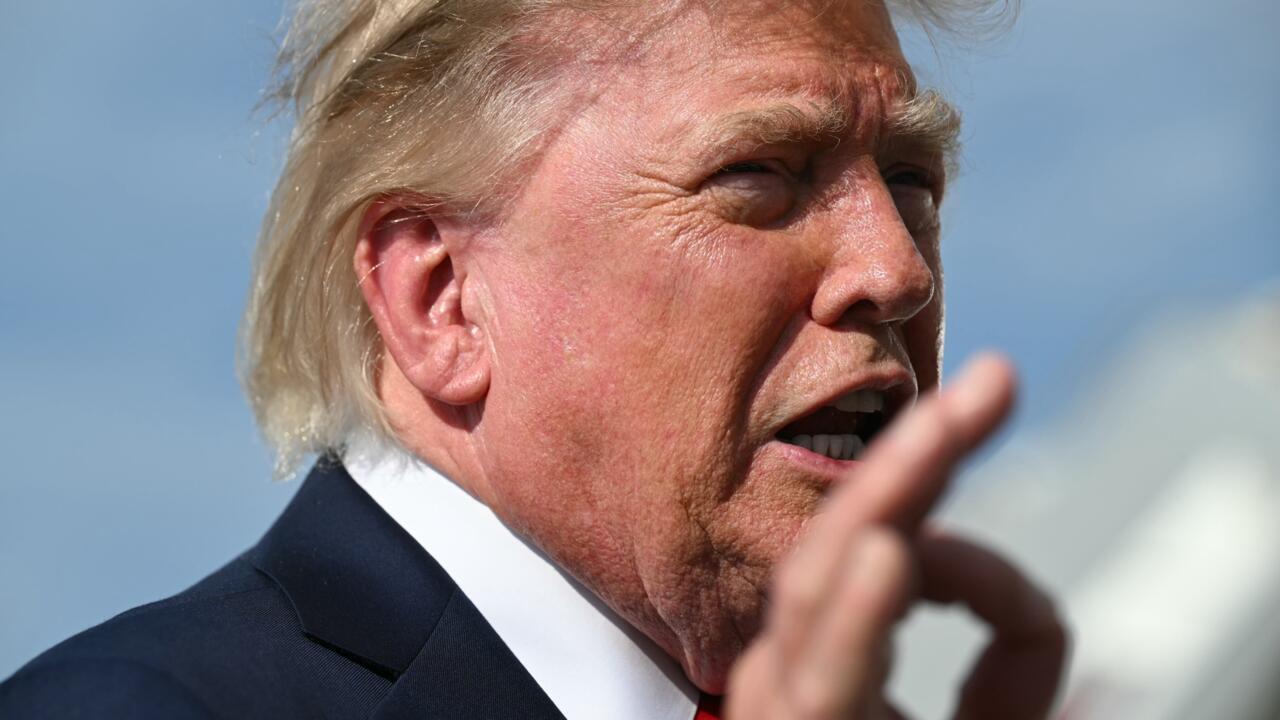
Beyond the immediate tariff dispute, the two nations still need to agree on revisions to the North American free trade agreement, USMCA. President Donald Trump declined to renew the agreement last month, adding another layer of complexity to the bilateral relationship. Carney has repeatedly told Canadians that relations with the United States have been forever changed, regardless of the outcome of individual trade deals.
The Prime Minister has argued that Canada must diversify its trade partners and reduce its reliance on the United States. This strategic shift comes as the country seeks relief from tariffs on autos, steel, and aluminium, which have battered the economy and forced job losses. The failed negotiations highlight the fragility of what was once considered an iron-clad trade relationship between the two neighbours.