Canada to announce retaliatory tariffs on US goods as trade talks collapse
Ottawa will match US levies "dollar for dollar" on 8 September, targeting sectors including steel and dairy, after negotiations between the two nations failed to avert a 50 per cent tariff increase.
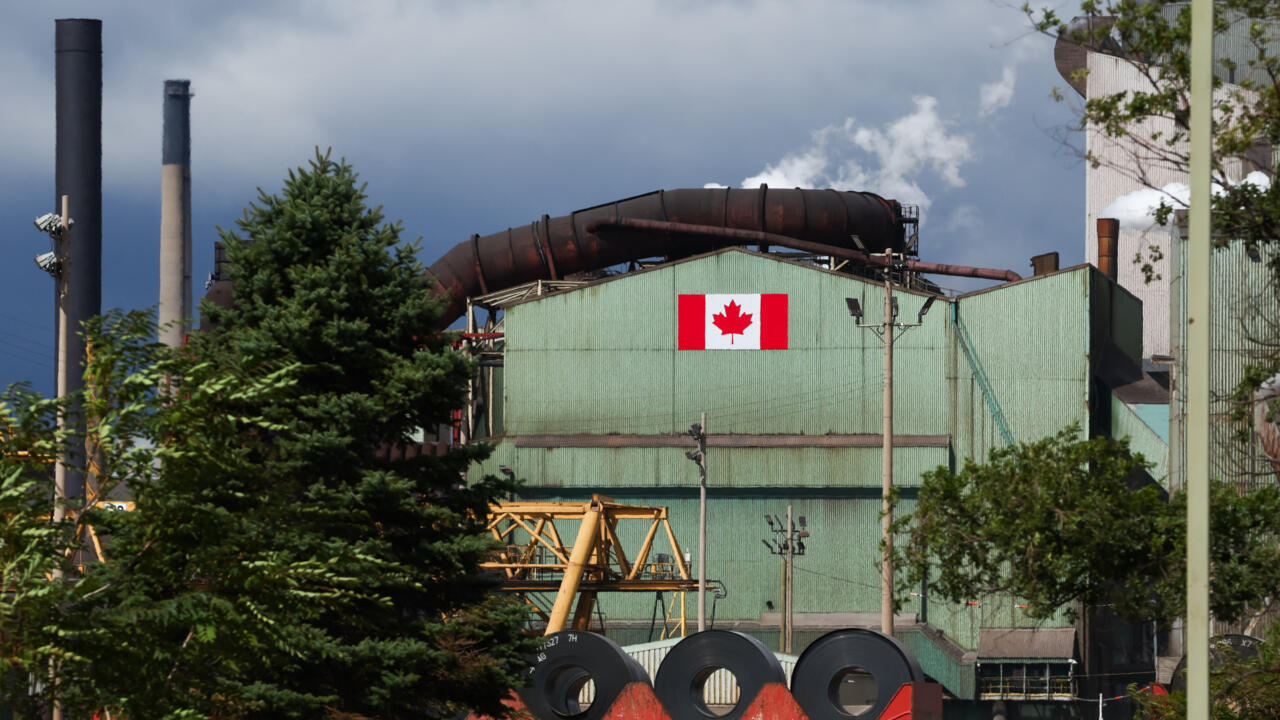
Canada is set to announce retaliatory tariffs against the United States on Tuesday, 8 September, following the collapse of trade negotiations between Ottawa and Washington. The move comes after US President Donald Trump’s 50 per cent tariffs on select Canadian goods took effect over the weekend, impacting approximately $20 billion in annual exports. The levies affect roughly 5 per cent of Canada’s total annual exports to the United States, covering a wide range of products from agricultural goods to industrial items.
Prime Minister Mark Carney has promised that the Canadian government will roll out retaliatory measures "dollar for dollar." The countermeasures are expected to target US steel, dairy, appliances, agricultural equipment, pulp and paper, and electronics. Carney accused Washington of attempting to subordinate Canada, stating that an attitude suggesting Canada is a "subsidiary of the United States" is not one his government will accept. He maintained that Canada remains willing to negotiate, provided the US approaches the talks as a partnership between sovereign countries.
The new US levies apply to goods previously protected under the US-Mexico-Canada Agreement (USMCA), including honey, seeds, agricultural products, makeup, perfumes, clothing, jewellery, furniture, cameras, and fabric. This shift marks a significant departure from previous trade arrangements and raises questions about the future of the USMCA. The 50 per cent tariff is in addition to a 10 per cent rate imposed last month and other sectoral levies, further escalating costs for businesses and consumers on both sides of the border.
Trump reinstated Section 338 of the Tariff Act of 1930, a Great Depression-era law that authorises import taxes of up to 50 per cent on countries that discriminate against US businesses. This is the first time the section has been used specifically to raise tariffs, and it requires no investigation to justify the levies. Trump claimed that Canada unfairly discriminates against US exports of automobiles, alcohol, and dairy products, citing a drop in Canadian imports of American alcohol and cars last spring.
Ontario Premier Doug Ford has threatened to cut off electricity and critical minerals to the US if the dispute worsens. Ford stated that "everything is on the table" and called for Canada to consider using oil and potash as leverage. He noted that Canadians are willing to endure economic pain rather than give in to US pressure, adding that Trump "underestimates Canada."
Trump has also threatened to increase tariffs on Canadian cars, trucks, automotive parts, and steel to 50 per cent starting 1 January 2027. Currently, Canada faces a broader 25 per cent tariff on autos, and a 50 per cent sectoral tariff on most steel imports is already in effect. Carney argued that Washington’s auto-sector proposals would "gradually dismantle" Canadian production, while questioning the impact on workers in US states that depend on Canadian demand.