Canada selects Saab GlobalEye to pivot defence strategy amid US tensions
The decision to bypass the US Boeing E-7 Wedgetail comes as trade relations deteriorate and the US suspends bilateral defence talks, marking a significant shift in Ottawa’s security posture.
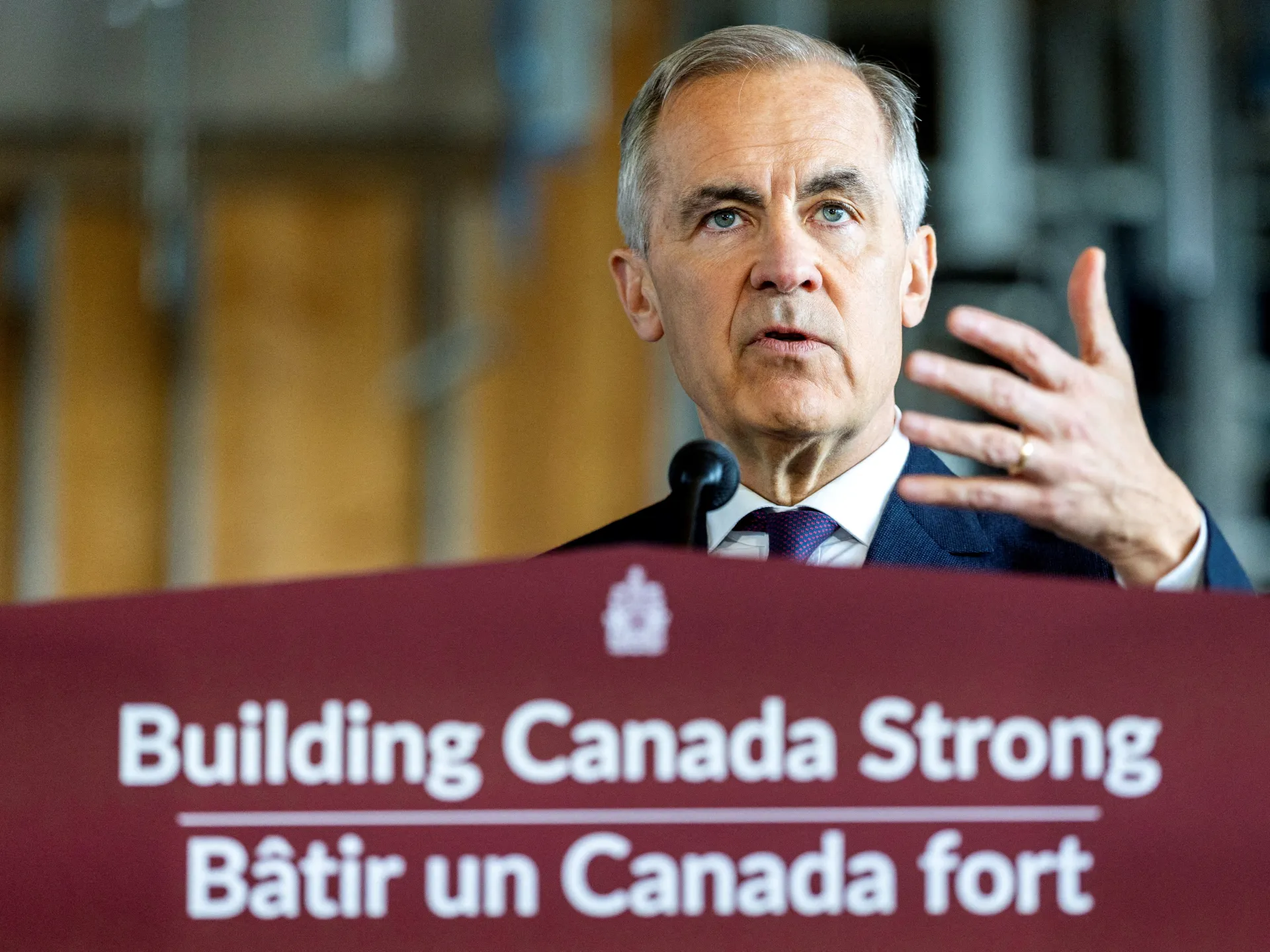
Canada has officially selected Sweden’s Saab GlobalEye early warning aircraft for its defence procurement, rejecting the competing Boeing E-7 Wedgetail in a move that underscores a strategic pivot away from exclusive reliance on the United States. Prime Minister Mark Carney announced the decision at a defence conference in Ottawa, stating that the aircraft, based on Bombardier’s Global 6500 jet, will be critical for detecting and deterring threats across Canada’s Arctic territory.
The announcement signals a deliberate effort to diversify military partnerships amid heightened tensions with Washington. Carney cited the need to enhance Arctic defence capabilities and reduce dependence on the US, particularly following threats of annexation from US President Donald Trump and the imposition of tariffs on key Canadian imports. The Prime Minister pledged that Canada would assume full responsibility for protecting its 4.4 million square kilometres of land and sea, a territory larger than India, which has historically been monitored in partnership with the US.
Saab has committed to investing in research and development work within Canada as part of the agreement, with military officials indicating an intention to purchase six early warning aircraft. While Carney did not disclose the specific cost of the contract, the deal represents a tangible expansion of defence ties with Stockholm. Swedish Prime Minister Ulf Kristersson described the decision as a move that ties the two nations closer together and creates jobs in Canada, noting that the GlobalEye is already engaging with the Canadian supply chain.
The procurement decision occurs against a backdrop of strained diplomatic and trade relations. The US has suspended planned biannual defence talks with Canada, with a Pentagon official criticising the delay in the F-35 fighter jet decision as prioritising politics over defence. Furthermore, US Trade Representative Jamieson Greer has had minimal engagement with Canadian counterpart Dominic LeBlanc since early March, with no formal launch of a negotiating process for the USMCA review, which begins on July 1. The US is currently holding bilateral talks with Mexico but has excluded Canada from these discussions.
Despite the shift in early warning systems, analysts suggest Canada is unlikely to fully abandon its existing fighter fleet commitments. Philippe Lagasse of Carleton University noted that the GlobalEye selection serves as a test case for the Carney government’s policy of pivoting away from American military capability. However, he expected Ottawa to ultimately retain its order for 88 F-35 jets from Lockheed Martin, rather than splitting the fleet to include Saab’s Gripen fighters, a possibility that had been probed following the imposition of US tariffs.
The decision also coincides with Canada meeting the NATO target of spending 2 percent of its GDP on defence last year, a milestone the Liberal government had previously struggled to achieve. As the USMCA review approaches, the lack of formal trade negotiations between Washington and Ottawa highlights the broader geopolitical recalibration underway. Carney’s administration is now navigating a complex landscape where traditional security alliances are being tested by economic disputes and shifting strategic priorities.