Canada embraces EU associate membership bid as trade tensions loom
Prime Minister Mark Carney has endorsed a novel framework for strategic autonomy, framing the move as a sovereign response to geopolitical rupture rather than the formation of a new power bloc.
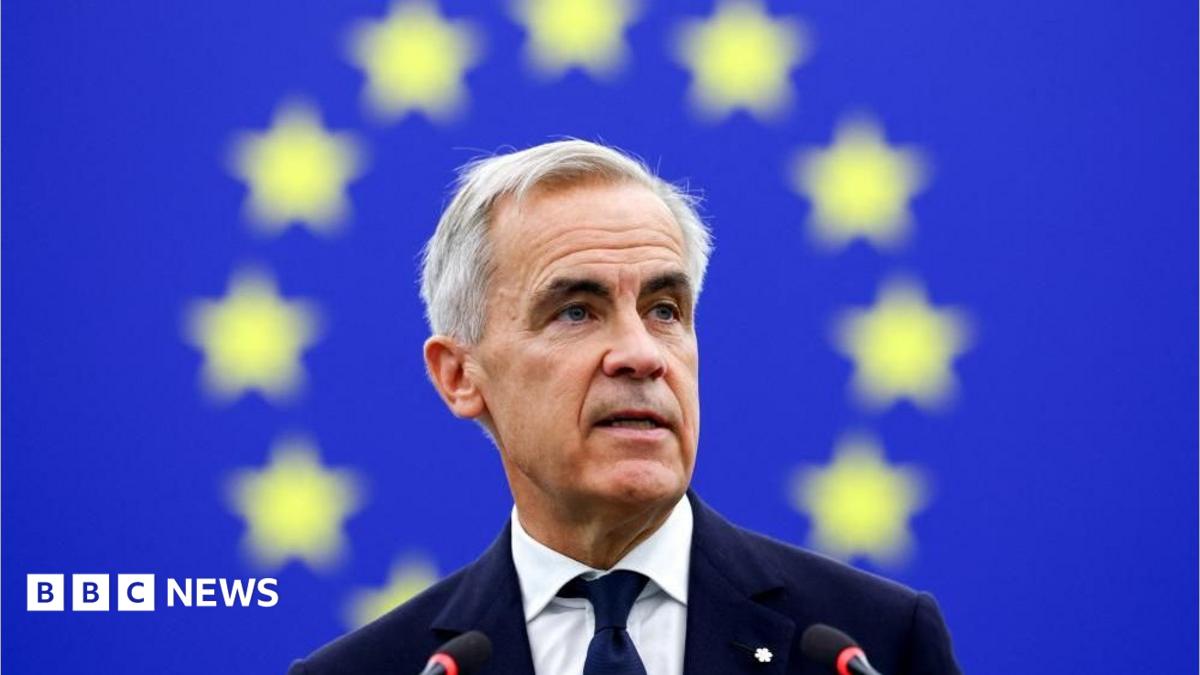
Canadian Prime Minister Mark Carney has formally welcomed the European Union’s proposal to grant Canada "associate member" status, a designation that would make the North American nation the bloc’s first of its kind. Addressing the European Parliament in Strasbourg on Thursday, Carney framed the move as a strategic alliance to bolster defence, critical minerals, and energy security, describing it as a "beacon for other democracies" amid what he termed "geopolitical rupture".
The proposal follows comments made by European Commission President Ursula von der Leyen, who suggested "opening the door" to this new status the previous day. Carney emphasised that Canada was not seeking full EU membership or the creation of a new power bloc, but rather a unique framework to secure strategic autonomy and sovereignty. He explicitly stated that Canada is "not in a position, nor seeking, to become a full member of the European Union", describing the arrangement as a "different framework" defined by deep cooperation in strategic capabilities.
Specific policy contributions outlined by Carney include supplying liquefied natural gas and hydrogen to support European energy security, while leveraging European expertise in clean-energy technologies. He also proposed that Canada join the EU's Erasmus+ programme to facilitate young people working, studying, and living on either side of the Atlantic, alongside efforts to pool technological resources and deepen digital trade.
The development arrives against the backdrop of an escalating trade dispute between Canada and the United States, following the collapse of bilateral talks last month. US President Donald Trump has described the idea as "laughable" and threatened "very serious tariffs" on Europe if he considers the move a "hostile act". Carney responded to these comments by asserting that Canadians are united in their refusal to have their culture or international agreements dictated by others.
Institutional hurdles remain significant, as the "associate member" status does not currently exist within the EU framework and could take years to implement. Any new arrangement would require the agreement of all 27 EU member states, some of whom have previously expressed reservations about creating new forms of membership. The EU and Canada already maintain a free-trade agreement and cooperate in trade, defence, and research, providing a foundation for this expanded relationship.
A debate and vote on the proposals are scheduled to take place in the Canadian parliament, with Carney noting that the two sides are at the "start of a road". A Canada-EU summit is scheduled for late October in Montreal, where leaders aim to "drill down the details" of the potential agreement.