Campaigners warn UK poultry expansion plan undermines national security
The government’s Farming and Food Partnership Board faces backlash as environmental groups link poultry growth to geopolitical risks and supply chain fragility.
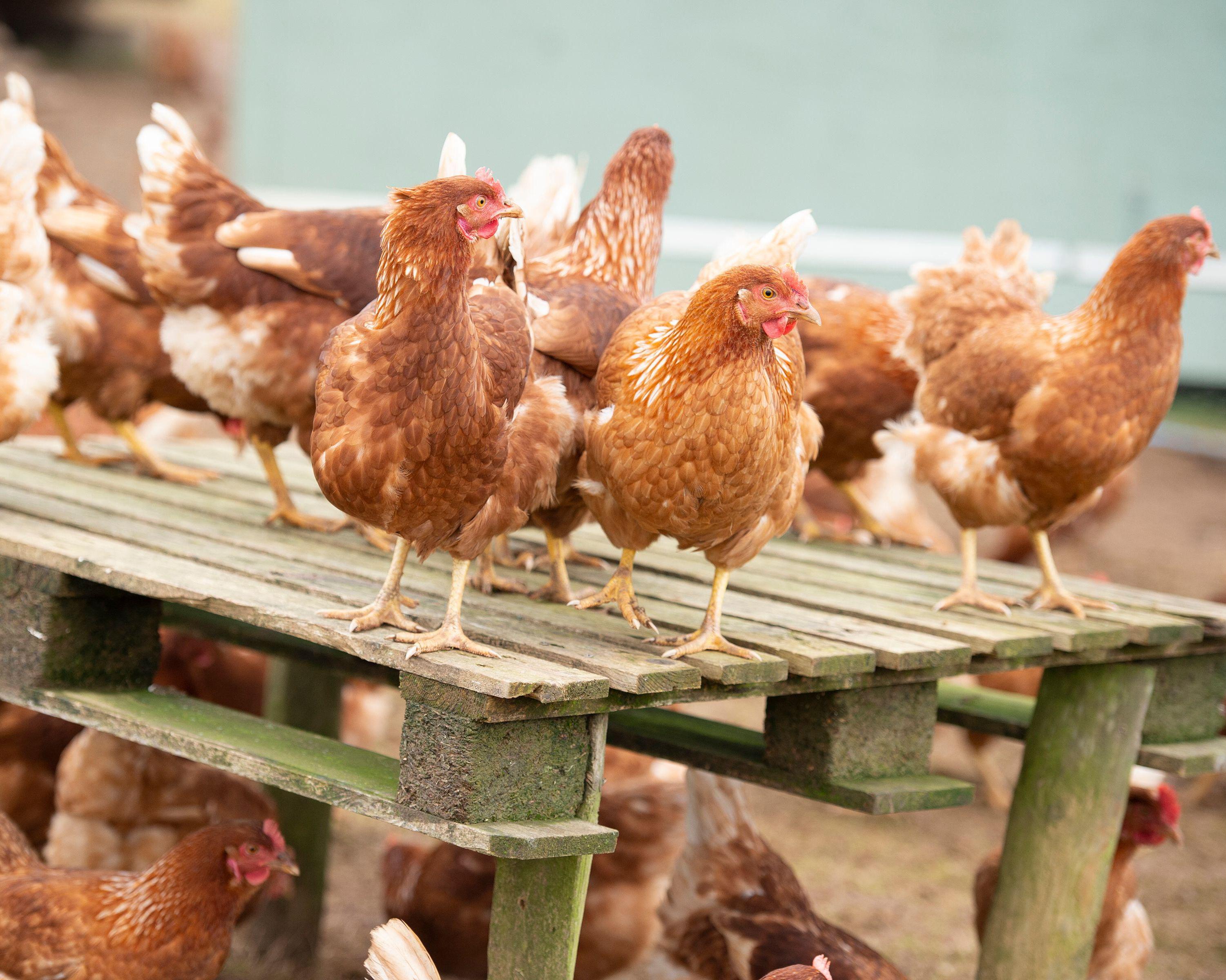
Campaign groups have issued stark warnings that the UK government’s strategy to expand the poultry sector poses a significant risk to national security. Critics argue that the push for intensive poultry farming exacerbates reliance on imported animal feed, particularly soy from South America, rendering the national food supply chain vulnerable to geopolitical shocks and environmental degradation.
Environment Secretary Emma Reynolds has identified planning constraints as a primary barrier to growth within the poultry industry. Speaking at the Groundswell agriculture festival, Reynolds stated that increasing the consumption of homegrown produce is central to improving food security, which led to the establishment of the Farming and Food Partnership Board. The board, comprising industry leaders such as the president of the National Farmers’ Union and the chief executive of the Food & Drink Federation, aims to utilise state levers to boost domestic food production.
During a parliamentary committee hearing, Reynolds reiterated that easing planning restrictions is essential for sector expansion. The Guardian has previously reported that ministers are rewriting planning rules to facilitate the construction of intensive livestock farms, a move undertaken despite concerns regarding water pollution, air quality, and local opposition.
Ruth Westcott, campaign manager at Sustain, described the poultry growth plan as a risk to food security rather than a solution. She argued that intensive poultry farming is highly resource-intensive, polluting, and inefficient. Sustain and Communities Against Factory Farming (CAFF) are urging the government to abandon the poultry expansion in favour of homegrown protein sources such as pulses, legumes, nuts, and beans.
Maya Pardo, campaign lead at CAFF, cited the government’s own national security assessment, which notes that animal farming at current levels is unsustainable without imports. Pardo highlighted that soy from South America constitutes 18% of produced animal feed, warning that heavy reliance on these imports leaves the UK vulnerable to supply chain shocks and ecosystem collapse.
The government’s recent farming roadmap outlined a long-term vision for the sector over the next 25 years, emphasising food security while warning that geopolitical instability and the climate crisis could lead to severe food price shocks. This aligns with a report from top national security officials, which cautioned that food shortages and economic instability are potential threats in the coming years.
Harriet Bell, regenerative farming lead at Riverford, welcomed planning reforms that support investment in reservoirs, renewable energy, and polytunnels. However, she cautioned that reforms must not serve as a free pass for developments that undermine healthy water systems, biodiversity, or animal welfare. Bell emphasised that long-term production depends on ecological health as much as output volume.
Tim Benton, a professor of population ecology at the University of Leeds, stated that food security is likely to become the organising principle for future agricultural policy. He argued that in an increasingly volatile world, the government must move beyond risk registers focused on specific events and recognise the continuous nature of global disruptions.